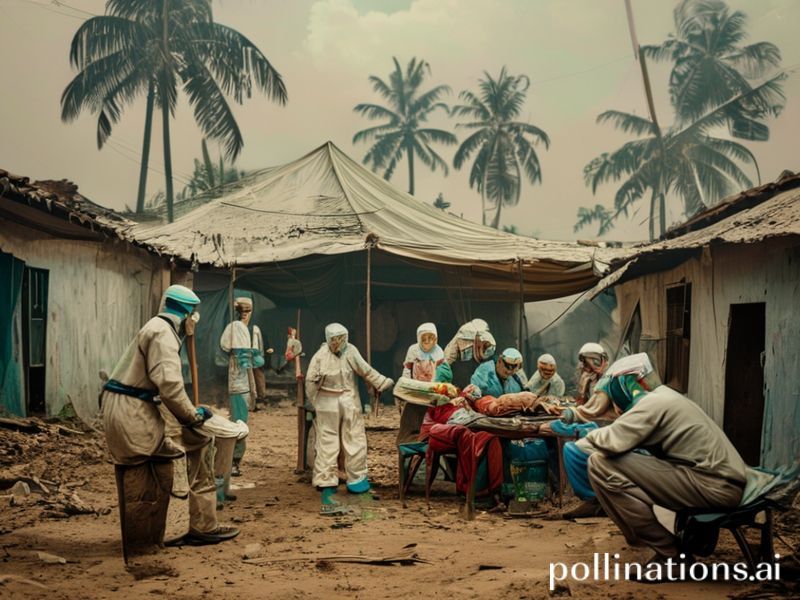
Nipah Virus Outbreak: Why the World is Freaking Out Over Fruit Bats
**Nipah Virus: When Fruit Bats Take a Bite Out of Global Headlines**
Alright, folks, grab your face masks and let’s dive into the latest global health drama that’s got everyone from Kerala to Kansas whispering into their sleeves: the Nipah virus outbreak in India. Yes, it’s another virus with a fancy name that’s trending harder than your ex’s new relationship status. But why should you care? Let’s break it down, add a dash of wit, and serve it up with a side of cultural context.
**Why is Nipah Trending?**
First off, let’s talk about why this isn’t just another “meh, another virus” story. The Nipah virus, or NiV for the cool kids, is a zoonotic paramyxovirus that’s been causing havoc in India, particularly in the state of Kerala. It’s been trending globally for a few reasons:
1. **Mystery and Fear Factor**: Nipah is like the mysterious stranger at the party—no one knows much about it, and it’s got a high mortality rate (up to 75% according to the WHO). That’s enough to make even the most chill internet user google “Nipah virus symptoms” at 2 AM.
2. **Global Health Implications**: With international travel being what it is, the potential for Nipah to spread beyond India has got global health organizations on high alert. It’s like when your friend of a friend gets sick, and suddenly everyone’s sanitizing their lives.
3. **Social Media Hype**: Let’s be real, folks. Social media loves a good health scare. From memes to misinformation, Nipah has been the talk of the town, with everyone from doctors to armchair epidemiologists weighing in.
**Cultural Context: When Fruit Bats Invade**
Now, let’s talk culture. In Kerala, the outbreak has sparked conversations about traditional practices and their role in modern health crises. See, Nipah is often transmitted through fruit bats, which are considered sacred in some parts of India. This has led to some interesting debates about balancing cultural respect and public health safety.
Imagine trying to explain to your grandma that her beloved bat-friendly backyard might be a ticking time bomb. It’s like telling a cat lady her furry friends might be plotting against her—awkward, to say the least.
**Social Impact: From Panic to Solidarity**
The outbreak has also highlighted the power of community and solidarity. In Kerala, locals have come together to support those affected, with social media campaigns raising awareness and funds. It’s a reminder that even in the face of a health crisis, humanity can shine through.
But let’s not forget the darker side of social impact—the spread of misinformation. From fake cures to baseless rumors, the internet has been a breeding ground for panic. It’s like the Wild West out there, folks. Always remember to fact-check before you share.
**Why Should You Care?**
So, why should you care about Nipah if you’re not in India? Well, for starters, global health is everyone’s business. Viruses don’t recognize borders, and neither should our concern. Plus, understanding outbreaks like Nipah can help us appreciate the importance of public health measures and the role they play in keeping us all safe.
And let’s be honest, a little healthy paranoia never hurt anyone. It’s like when you start washing your hands more after watching a germophobe’s TikTok. Knowledge is power, folks.
**Conclusion: Stay Informed, Stay Safe**
In conclusion, the Nipah virus outbreak in India is a reminder of the delicate dance between nature, culture, and public health. It’s a complex issue that requires nuance, understanding, and a whole lot of hand sanitizer. So, let’s stay informed, support those affected, and maybe, just maybe, think twice before messing with fruit bats.
Stay safe out there, internet. And remember, if you see a bat, don’t panic—just back away slowly and call a professional. Or, you know, just admire it from a distance. Nature is wild, folks. Let’s keep it that way.