Alex Honnold Scales Taipei 101: The Viral Climb That’s Got the World on the Edge of Their Seats
### **Alex Honnold Scales Taipei 101: Why the World Can’t Stop Talking About This Death-Defying Climb**
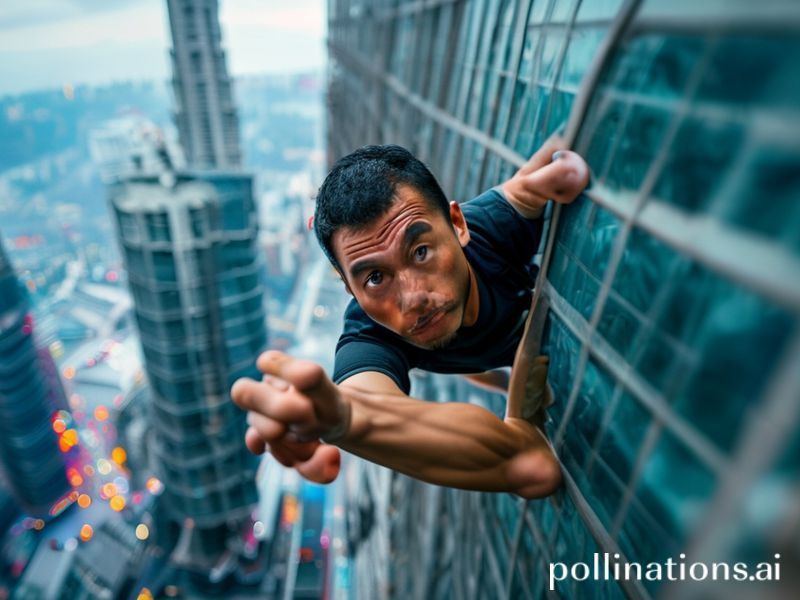
If you’ve been on the internet in the last few days, you’ve probably seen the viral video of Alex Honnold, the legendary free solo climber, scaling the exterior of Taipei 101, one of the tallest buildings in the world. The footage has taken the internet by storm, sparking conversations about human daring, the psychology of risk, and why we’re all secretly (or not-so-secretly) obsessed with watching people flirt with death.
#### **Why Taipei 101? The Cultural Context**
Taipei 101, once the tallest building in the world, is an architectural marvel and a symbol of Taiwan’s economic and technological prowess. It’s not just a skyscraper; it’s a cultural icon, a place where business, tourism, and urban pride collide. For Honnold to choose this particular structure for his latest stunt is no accident. It’s a statement—one that blends the audacity of extreme sports with the grandeur of modern engineering.
But why is this climb trending globally? Part of it is the sheer spectacle. Watching a human being defy gravity while clinging to the side of a building is like watching a real-life superhero. It’s the kind of thing that makes you question whether you’re watching a documentary or a Marvel movie. The climb is a masterclass in precision, focus, and sheer nerve, and the internet can’t get enough of it.
#### **The Social Impact: Why We Can’t Look Away**
There’s something primal about watching someone take such a massive risk. It taps into our deepest fears and our fascination with the limits of human capability. Honnold’s climb is a reminder that, despite all our technological advancements, there are still things that can humble us—like the sheer height of a skyscraper and the fragility of human life.
Social media has amplified the reach of this event, turning it into a global conversation. Memes, reaction videos, and debates about whether Honnold is a genius or a madman have flooded platforms like Twitter, Instagram, and TikTok. The climb has also sparked discussions about mental resilience, training, and the ethics of extreme sports. Is Honnold inspiring a new generation of climbers, or is he setting a dangerous precedent?
#### **What Makes This Topic Significant**
Beyond the entertainment value, Honnold’s climb is significant for several reasons. First, it challenges our perceptions of what’s possible. Free solo climbing is already an extreme sport, but scaling a skyscraper takes it to another level. It’s a testament to human potential and the power of training, discipline, and sheer willpower.
Second, it highlights the role of media in shaping our collective consciousness. The viral nature of the video means that millions of people are now aware of this feat, sparking conversations about risk, adventure, and the pursuit of excellence. It’s a reminder that in an age of digital distraction, there’s still room for awe-inspiring, real-life heroics.
Finally, Honnold’s climb is a cultural moment. It’s not just about one man’s achievement; it’s about the stories we tell ourselves about courage, fear, and the human spirit. Whether you’re a climber, a thrill-seeker, or just someone who enjoys watching incredible feats, this climb is a reminder that the world is still full of wonders—and that sometimes, the most extraordinary things happen when we push the boundaries of what we think is possible.
In the end, Alex Honnold’s climb of Taipei 101 is more than just a viral video. It’s a cultural phenomenon, a conversation starter, and a testament to the indomitable human spirit. And if you haven’t watched the footage yet, do yourself a favor and take a look. Just maybe don’t watch it while eating.
—