Tesla Autopilot: The Self-Driving Saga That’s Got the World Buzzing
# **Tesla Autopilot: The Self-Driving Saga That’s Got the World Buzzing**
In the grand theater of tech trends, few stars shine as brightly—or as controversially—as Tesla’s Autopilot. This semi-autonomous driving system has been the talk of the town (or should we say, the highway?) for quite some time, and it’s not just because it’s a fancy new gadget. No, Tesla Autopilot is a cultural phenomenon, a tech marvel, and a hotbed of debate all rolled into one sleek, electric package. But why is it trending globally? Let’s dive in.
### **The Cultural Context: From Sci-Fi to Reality**
Remember those old sci-fi movies where cars drove themselves while the passengers sipped martinis and chatted about the future? Well, the future is here, and it’s wearing a Tesla badge. Autopilot isn’t just a feature; it’s a symbol of the technological revolution we’re living through. It’s the embodiment of our collective fascination with automation, efficiency, and the idea that machines can do things better than humans.
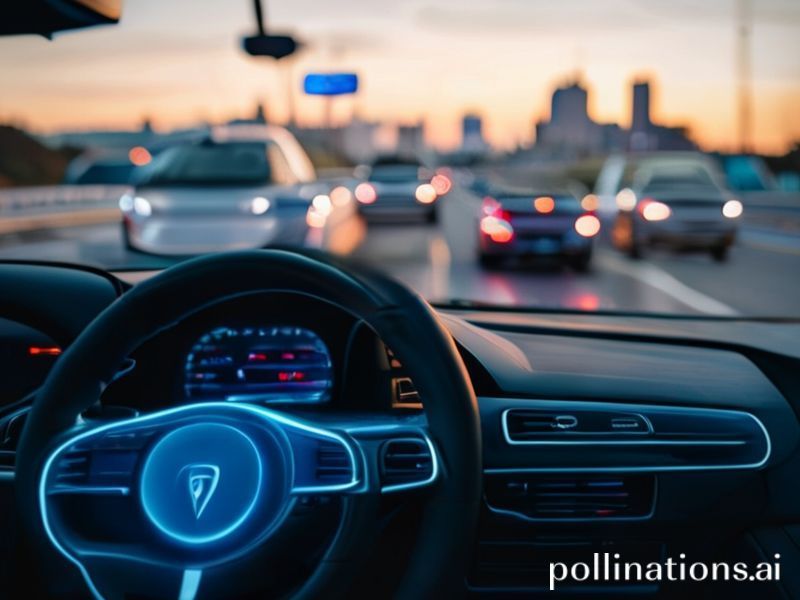
But here’s the twist: Autopilot isn’t fully autonomous. It’s more like a really smart co-pilot that can handle highway driving, lane changes, and even parking—but it still requires human oversight. This has led to some hilarious (and terrifying) moments where drivers have been caught napping, reading, or even filming TikToks while Autopilot is engaged. The internet, of course, has eaten this up, turning these incidents into memes and viral videos that keep the conversation going.
### **The Social Impact: A Double-Edged Sword**
Tesla Autopilot has sparked a global conversation about the future of transportation, safety, and even ethics. On one hand, it promises to reduce accidents caused by human error—something that’s hard to argue against. On the other hand, it’s raised serious questions about accountability. Who’s responsible when Autopilot makes a mistake? The driver? Tesla? The software developers? These are the kinds of debates that keep tech ethicists and lawyers up at night.
Then there’s the social impact on driving culture itself. Autopilot is changing the way people think about cars. It’s turning them from tools of independence into extensions of the digital world. Imagine a future where you can work, stream, or even sleep during your commute. It’s both liberating and a little unsettling, like handing over the keys to your life to a robot.
### **Why It’s Significant: The Big Picture**
Tesla Autopilot isn’t just about driving; it’s about the broader implications of artificial intelligence and automation. It’s a test case for how society adapts to technology that blurs the line between human and machine. It’s also a reminder that progress isn’t always smooth. There are glitches, controversies, and unexpected consequences—but that’s part of the story.
Moreover, Autopilot is a global trend because it’s not just a Tesla thing. It’s a symbol of the race toward autonomous vehicles, a race that involves companies like Waymo, Uber, and even traditional automakers. Every time Autopilot makes headlines—whether for its innovations or its mishaps—it pushes the entire industry forward.
### **The Bottom Line**
Tesla Autopilot is more than just a feature; it’s a cultural touchstone. It’s a reflection of our hopes, fears, and fascinations with technology. It’s a reminder that the future isn’t just coming—it’s already here, and it’s driving itself. So buckle up, folks. The ride is only getting more interesting.