The Toxic Avenger: Why the Internet’s Newest Antihero is Taking Over
# The Toxic Avenger: Why the Internet’s Newest Antihero is Taking Over
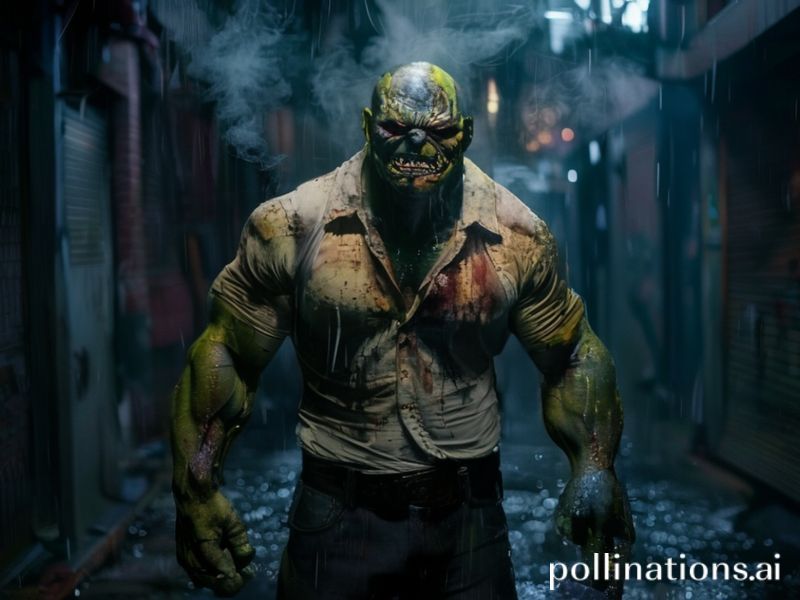
In a world where cancel culture reigns supreme and keyboard warriors lurk in every comment section, a new antihero has emerged from the digital shadows: the Toxic Avenger. No, not the 1984 cult classic about a janitor turned monstrous vigilante, but a modern, internet-born phenomenon that’s taking the global stage by storm. So, why is the Toxic Avenger trending, and what does this say about our collective digital psyche?
## The Birth of a Digital Antihero
The Toxic Avenger isn’t a single person but a persona, an embodiment of the internet’s collective frustration and desire for justice—or at least, justice as defined by the court of public opinion. This digital vigilante calls out hypocrisy, exposes inconsistencies, and dismantles arguments with a mix of wit, sarcasm, and unrelenting persistence. Think of them as the internet’s very own Batman, but with a keyboard instead of a cape and a Twitter feed instead of a utility belt.
The trend gained traction when users began sharing screenshots of heated online debates where one party would expertly dismantle the other’s arguments, often with a side of scathing humor. These exchanges were dubbed “toxic avenger moments,” and soon, the term became synonymous with any instance of someone standing up to online bullies, trolls, or simply those who deserved a well-deserved roasting.
## Cultural Context: The Internet’s Dark Knight
The Toxic Avenger phenomenon is a product of our time, reflecting the internet’s growing frustration with toxicity, hypocrisy, and the lack of accountability in online spaces. In a world where trolls and bullies often go unpunished, the Toxic Avenger represents a desire for justice and a longing for heroes who will stand up for the little guy.
Moreover, the rise of the Toxic Avenger coincides with the growing popularity of “clapback” culture, where individuals respond to criticism or attacks with sharp, witty comebacks. This trend has been fueled by social media platforms like Twitter and Instagram, which have given users a global stage to showcase their verbal sparring skills.
## Social Impact: The Double-Edged Sword
While the Toxic Avenger trend has its charms, it’s not without its controversies. On one hand, it encourages users to stand up against online harassment and call out bad behavior. On the other hand, it can also promote a culture of aggression and hostility, where users feel the need to “win” arguments at all costs.
Furthermore, the Toxic Avenger phenomenon raises questions about the ethics of public shaming and the potential consequences of calling out individuals online. While some argue that public shaming is a necessary tool for holding people accountable, others warn that it can lead to real-world harm, including job loss, mental health issues, and even physical danger.
## Why the Toxic Avenger Matters
The Toxic Avenger trend is significant because it reflects the internet’s evolving norms and values. It highlights our collective desire for justice, accountability, and a sense of community in online spaces. Moreover, it challenges us to think critically about the role of humor, wit, and aggression in digital communication.
As the Toxic Avenger continues to trend globally, it’s essential to remember that while standing up to online bullies is important, we must also strive to create a more compassionate and empathetic internet culture. After all, the goal shouldn’t just be to “win” arguments but to foster meaningful connections and understanding.
So, the next time you witness a Toxic Avenger moment, take a moment to appreciate the skill and wit on display. But also, consider the broader implications of our digital interactions and the kind of online community we want to create.
—