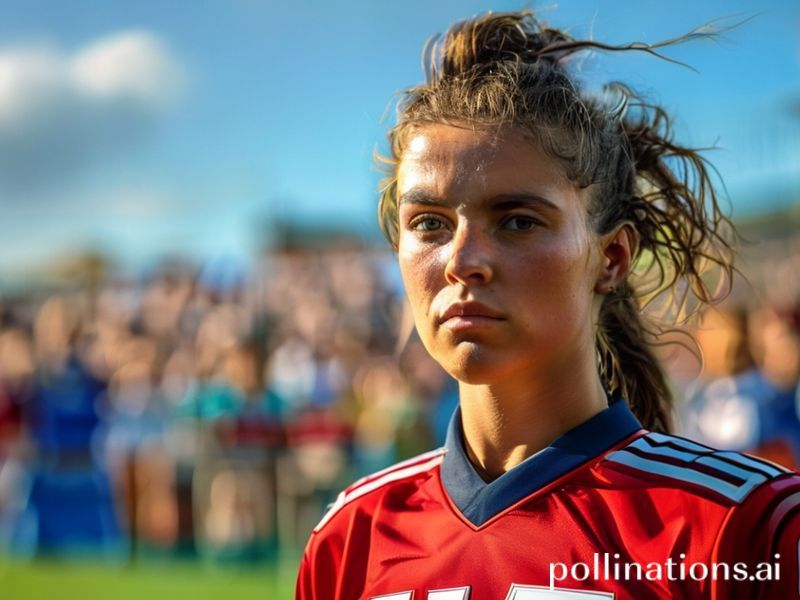
Katie Meyer: The Stanford Soccer Star Who United the Internet in Grief and Advocacy
**#KatieMeyer: The Stanford Soccer Star Who United the Internet in Grief and Outrage**
Alright, internet, let’s talk about Katie Meyer. If you’ve been living under a rock (or just a very stable Wi-Fi connection), you might have missed the wave of grief and outrage that swept across social media platforms recently. Katie Meyer, the Stanford soccer goalie who helped her team win a national championship in 2019, tragically took her own life on March 1st. Her death has sparked a global conversation about mental health, athlete well-being, and the pressures of elite sports.
### **Why is Katie Meyer Trending Globally?**
First off, let’s acknowledge the elephant in the room: the internet has a short attention span. But Katie Meyer’s story has stuck around, and for good reason. Her death has resonated with people worldwide, not just because she was a talented athlete, but because her story touches on universal themes of mental health, pressure, and the often-overlooked struggles of student-athletes.
### **Cultural Context: The Pressure Cooker of Elite Sports**
Katie Meyer was more than just a soccer player; she was a symbol of excellence, resilience, and determination. She led her team to victory in the 2019 NCAA Women’s Soccer Championship, making a game-winning penalty kick that cemented her legacy. But behind the glamour of championship wins and media spotlight lies a harsh reality: the immense pressure that elite athletes face.
Athletes are often expected to perform at peak levels while juggling academic responsibilities, personal lives, and the constant scrutiny of fans, coaches, and media. The mental health toll of this pressure is often overlooked, with athletes expected to “tough it out” and push through their struggles. Katie Meyer’s death has brought this issue to the forefront, sparking a much-needed conversation about the mental health of athletes.
### **Social Impact: A Call to Action**
Katie Meyer’s story has galvanized a global movement, with people from all walks of life sharing their own struggles with mental health and advocating for change. Social media has been flooded with tributes, memes, and calls to action, with hashtags like #KatieMeyer and #MentalHealthMatters trending worldwide.
The outpouring of support and advocacy has put pressure on institutions, including Stanford University, to address the mental health needs of their athletes. It’s a stark reminder that mental health is not a luxury but a necessity, and that everyone, regardless of their status or achievements, deserves support and understanding.
### **What Makes This Topic Significant?**
Katie Meyer’s story is significant because it highlights the intersection of sports, mental health, and societal expectations. It’s a wake-up call for institutions, coaches, and fans to recognize the human behind the athlete and to prioritize their well-being.
Moreover, her story has sparked a global conversation about mental health, breaking down stigmas and encouraging people to seek help. It’s a testament to the power of storytelling and the internet’s ability to unite people in grief, outrage, and ultimately, action.
### **Conclusion: Honoring Katie Meyer’s Legacy**
Katie Meyer’s legacy extends far beyond the soccer field. Her story has ignited a global movement, advocating for mental health awareness and the well-being of athletes. As we continue to grapple with the complexities of mental health, let’s honor Katie Meyer’s memory by fostering a culture of support, understanding, and action.
So, internet, let’s keep the conversation going. Let’s talk about mental health, let’s advocate for change, and let’s honor Katie Meyer’s legacy by making a difference. Because in the end, it’s not just about the game; it’s about the people who play it.