Nipah Virus 2026: Why the World is Freaking Out (Again) – And Why You Should Care
# **Nipah Virus 2026: Why the World is Freaking Out (Again)**
Alright, folks, buckle up. The Nipah virus is back on the global radar, and this time, it’s not just a distant, scary headline—it’s trending like a viral TikTok dance. But why is the world suddenly obsessed with this obscure virus from India? Let’s break it down, add a dash of internet culture, and figure out why Nipah 2026 is the talk of the town.
### **What’s the Big Deal About Nipah?**
First off, Nipah isn’t new. It’s been lurking in South Asia since 1998, causing outbreaks in places like Bangladesh and India. It’s a zoonotic virus, meaning it jumps from animals (like bats and pigs) to humans, and it’s nasty—think high fever, respiratory issues, and a mortality rate that can hit up to 75% in some outbreaks. Yikes.
So, why is it trending now? Well, in 2026, reports of Nipah cases in India have sparked global concern. The fear isn’t just about the virus itself but about how quickly it could spread in our hyper-connected world. With international travel and trade, a local outbreak can become a global crisis faster than you can say “#StayHome.”
### **Cultural Context: Why India?**
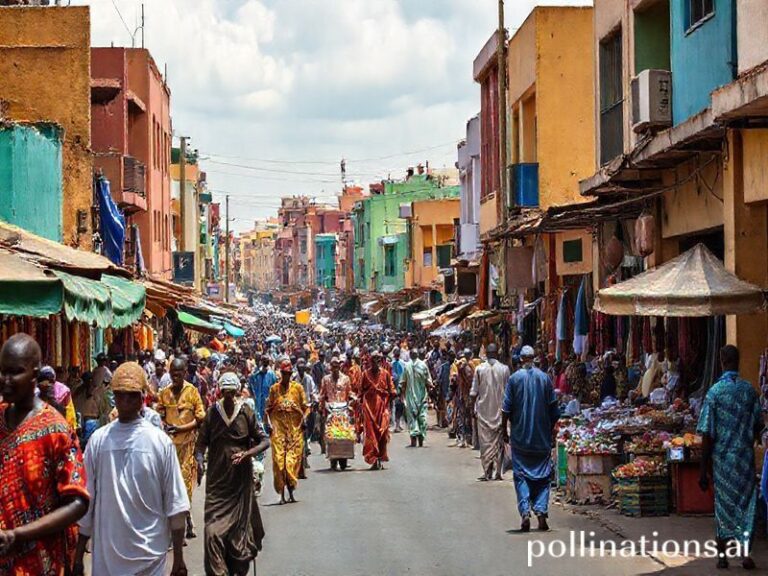
India is a cultural and economic powerhouse, and its health crises have global ripple effects. The country’s dense urban areas, bustling markets, and close-knit communities create perfect conditions for viruses to spread. Plus, India’s healthcare system, while robust, is often stretched thin, making containment a challenge.
The Nipah virus has already caused outbreaks in Kerala, a state known for its lush greenery and vibrant culture. The 2018 outbreak there was contained, but the memory of it still looms large. Now, in 2026, the fear is that Nipah could resurface with a vengeance, especially if it mutates or spreads to more populated areas.
### **Social Impact: Fear, Misinformation, and Memes**
Of course, where there’s fear, there’s internet culture. Social media is abuzz with Nipah-related content, ranging from serious health advisories to memes about “bats being the real villains.” (Seriously, bats are getting a bad rap.)
Misinformation is also a major issue. From WhatsApp chains spreading doomsday scenarios to TikTokers claiming they’ve found “cures,” the internet is a wild west of Nipah-related content. Health organizations are scrambling to debunk myths and provide accurate information, but the battle against fake news is an uphill one.
### **Why Should You Care?**
If you’re thinking, “Why should I care about a virus in India?”—well, first off, empathy is key. But also, global health is interconnected. Viruses don’t respect borders, and in our interconnected world, a local outbreak can quickly become a global pandemic.
Plus, Nipah is a reminder of the ongoing threat of zoonotic diseases. With climate change, deforestation, and urbanization, we’re increasingly encroaching on wildlife habitats, increasing the risk of new viruses jumping to humans. Nipah 2026 is a wake-up call to invest in global health security and preparedness.
### **Conclusion: Stay Informed, Stay Safe**
So, is Nipah 2026 the next big pandemic? Maybe not. But it’s a stark reminder that we’re all in this together. Whether you’re in India, the US, or anywhere in between, staying informed and supporting global health efforts is crucial.
And hey, if you see a bat, don’t panic—just admire it from a distance. After all, we don’t want to give bats another reason to hate us.
—