Influencer Marketing: The New Global Currency of Cool – Why It’s Blowing Up
**Influencer Marketing: The New Global Currency of Cool**
In a world where the internet has turned us all into potential stars, influencer marketing has become the hottest ticket in town. It’s not just a trend; it’s a full-blown cultural phenomenon that’s reshaping the way brands connect with audiences globally. So, why is influencer marketing blowing up like a viral TikTok dance? Let’s dive in.
**The Rise of the Digital Royalty**
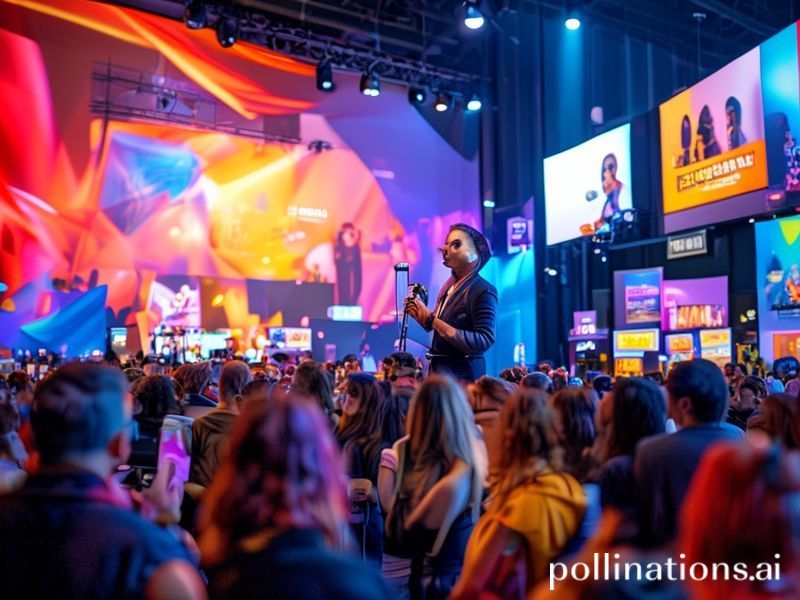
Once upon a time, celebrities were the golden ticket for brands. But in the age of Instagram, YouTube, and TikTok, a new breed of stars has emerged—digital influencers. These are the folks who have mastered the art of engaging audiences, building communities, and, most importantly, driving trends. From beauty gurus to gaming streamers, these influencers wield a kind of power that traditional advertising can only dream of.
**Why Brands Are Obsessed**
Brands have cottoned on to the fact that consumers are increasingly distrustful of traditional ads. Instead, they’re turning to influencers who can authentically integrate products into their content. It’s like having a friend recommend a product—except that friend has a million followers. This authenticity is the golden ticket, making influencer marketing a whopping $16.4 billion industry in 2022, according to a report by Statista.
**Cultural Context: The Global Phenomenon**
Influencer marketing isn’t just a Western thing. It’s a global phenomenon that’s adapted to fit different cultural contexts. In Japan, influencers often focus on niche interests, while in the Middle East, they’re breaking taboos and driving social change. In India, influencers are leveraging regional languages to connect with diverse audiences. The beauty of influencer marketing is its adaptability—it’s a chameleon that fits seamlessly into any cultural landscape.
**Social Impact: More Than Just Sales**
Influencer marketing isn’t just about selling products; it’s about driving conversations and sparking change. Influencers are using their platforms to advocate for social causes, promote mental health awareness, and even influence political discourse. Take, for example, the #MeToo movement, which gained traction partly due to influencers amplifying survivors’ voices. Influencer marketing is becoming a force for good, proving that it’s not just about the ‘gram—it’s about impact.
**What Makes It Significant**
Influencer marketing is significant because it represents a shift in power dynamics. It’s a democratization of influence, where anyone with a smartphone and a compelling story can become a brand ambassador. This shift is empowering for creators and consumers alike, fostering a more interactive and authentic form of marketing.
Moreover, influencer marketing is a testament to the power of community. Influencers don’t just have followers; they have communities. These communities are built on trust, shared interests, and mutual respect. Brands that tap into these communities are not just selling products; they’re becoming part of a story.
**The Future of Influencer Marketing**
As we look ahead, influencer marketing is set to become even more immersive. With the rise of virtual influencers and the metaverse, the boundaries between reality and digital are blurring. Brands will need to stay agile, authentic, and creative to keep up with this rapidly evolving landscape.
In conclusion, influencer marketing is more than just a trend—it’s a cultural shift. It’s a global phenomenon that’s redefining the way brands connect with audiences, driving conversations, and sparking change. So, whether you’re a brand, an influencer, or just someone scrolling through your feed, one thing is clear: influencer marketing is here to stay, and it’s only going to get more interesting.