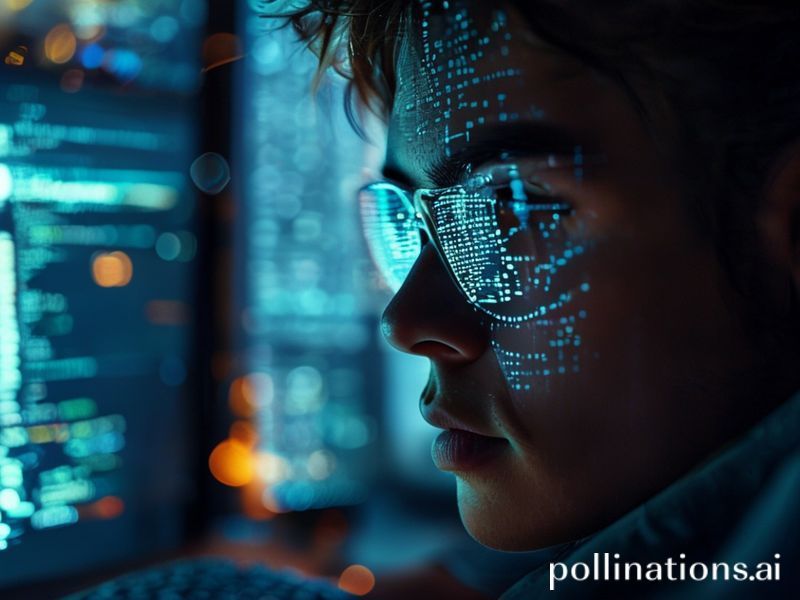
Behind the Mask: The Rise of Digitally Anonymized Meaning
### Digitally Anonymized Meaning: The New Language of the Internet
In a world where privacy is becoming as scarce as a Wi-Fi signal in a remote cabin, the concept of “digitally anonymized meaning” is gaining traction faster than a TikTok dance challenge. While it sounds like a term straight out of a sci-fi novel, it’s actually a reflection of our cultural zeitgeist—our collective grappling with identity, privacy, and the very nature of communication in the digital age. So, why is this idea trending globally? Buckle up, folks; we’re diving deep into the rabbit hole of anonymity and meaning.
To put it simply, digitally anonymized meaning refers to the way we communicate and express ourselves online without revealing our identities. Think of it as the digital equivalent of wearing a mask at a masquerade ball. Whether it’s through avatars, pseudonyms, or encrypted messages, users are increasingly seeking ways to convey their thoughts and feelings while keeping their true selves hidden. This trend has been propelled by a growing awareness of surveillance capitalism, data privacy concerns, and the desire for more authentic interactions devoid of social repercussions.
Culturally, this shift can be traced back to the emergence of social media platforms that celebrate anonymity. The rise of forums like Reddit, where users can share their deepest secrets under the cloak of anonymity, has reshaped how we engage in conversations. The same goes for apps like Whisper and Yik Yak, where users can post thoughts and confessions without the weight of their real-world identities. This anonymity fosters a sense of freedom, allowing individuals to express opinions that they might shy away from in face-to-face interactions. It’s like shouting into the void without fear of judgment—or, as some might say, the perfect recipe for a viral meme.
But let’s not kid ourselves; the impact of digitally anonymized meaning is a double-edged sword. While it encourages free speech and creativity, it also opens the floodgates for toxic behavior and misinformation. The infamous troll culture, where individuals hide behind screens to unleash their inner demons, has led to serious discussions about the ethics of online interactions. The anonymity that allows for creative expression also enables harassment and bullying, creating a toxic environment that many users find difficult to navigate.
As the global conversation around digital privacy continues to evolve, the significance of digitally anonymized meaning becomes clearer. It’s not just about how we communicate; it’s about who we are in this brave new world of technology. The way we choose to present ourselves online has profound implications for our social identities. Are we our avatars? Our usernames? Or are we a collection of likes and shares, curated to fit a certain narrative? The question becomes even murkier when we factor in algorithms that dictate what we see and how we engage with content.
Moreover, the rise of AI and machine learning technologies has added another layer to this conversation. As algorithms learn to read our behaviors and preferences, the very meaning of anonymity is being redefined. Are we truly anonymous if our digital footprints can be traced back to us? This brings us to a critical juncture: while we seek to anonymize our meanings and expressions, the digital ecosystem is also becoming increasingly adept at deciphering our identities, leading us to wonder if true anonymity is even possible.
In conclusion, the trend of digitally anonymized meaning is a reflection of our complex relationship with identity and communication in an increasingly surveilled world. As we navigate this digital landscape, we must strike a balance between the freedom of expression that anonymity offers and the responsibilities that come with it. Only then can we ensure that our online interactions remain meaningful—without losing ourselves in the void of the internet.