Riding the Wave: Why Flood Warnings Are Making a Splash Globally
### Riding the Wave: Why Flood Warnings Are Making a Splash Globally
As we scroll through our feeds, it’s hard to miss the rising tide of flood warnings washing over social media. From the streets of New York to the canals of Venice, water is making headlines and trending on Twitter. But why are these warnings suddenly so pervasive? Let’s dive into the cultural currents and social impacts behind this phenomenon.
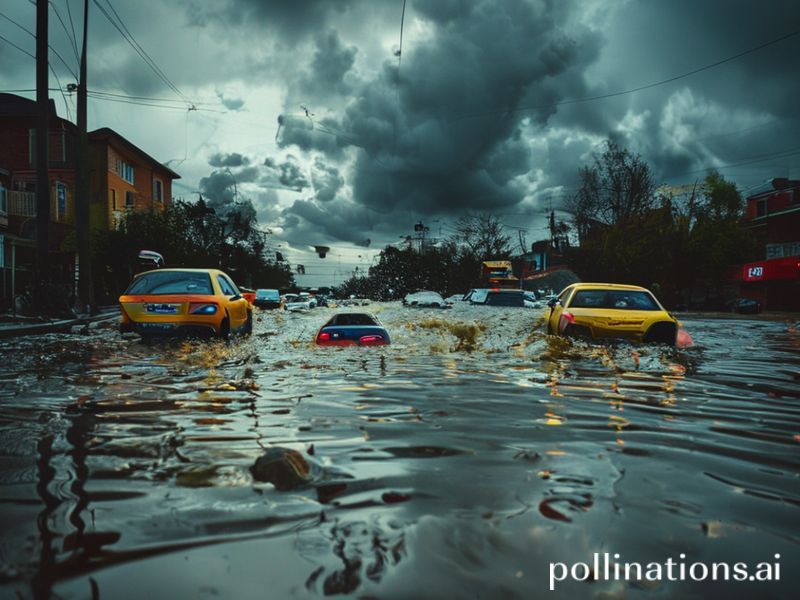
Flooding, often seen as a natural disaster relegated to the background noise of the news cycle, has recently surged into the spotlight. This uptick in flood warnings isn’t merely a reflection of changing weather patterns; it’s a poignant reminder of the climate crisis that’s drenching our world in uncertainty. As regions grapple with extreme weather events, the conversation around climate change has shifted from abstract debates to urgent calls for action. The alarming frequency of floods is pushing climate advocacy into mainstream discourse, with hashtags like #FloodWatch and #ClimateCrisis trending alongside memes and TikTok dances.
Culturally, floods have long been symbolic. From the biblical tales of Noah’s Ark to contemporary movies like “The Day After Tomorrow,” flooding has represented both destruction and rebirth. In many cultures, water is a double-edged sword—essential for life but capable of wreaking havoc. This duality has given rise to a rich tapestry of art, literature, and folklore, all reflecting humanity’s complex relationship with this element. Today, as we face unprecedented deluges, these narratives are being revisited and reinterpreted. Social media users are not just sharing flood warnings; they’re sharing stories, memes, and even TikToks that highlight both the absurdity and tragedy of living through such events.
The social impact of current flood warnings is profound. Communities are not just facing the immediate threat of rising waters but are also wrestling with long-term implications. Economic instability, displacement, and the mental health toll of constant anxiety are just a few concerns. The narratives around floods have shifted from mere survival to discussions about resilience and recovery. People are banding together online, sharing tips on how to prepare for floods, and rallying support for those affected. The hashtag #FloodRelief is gaining momentum as communities come together to provide resources and assistance, showcasing the powerful role of digital platforms in fostering solidarity.
Furthermore, the significance of flood warnings extends beyond the immediate geographical areas affected. The global nature of climate change means that flooding in one part of the world can have ripple effects elsewhere. For instance, the displacement of communities due to floods can lead to migration, potentially straining resources in urban centers far from the original disaster zone. This interconnectedness is prompting discussions about global responsibility and accountability, making the topic of flood warnings not just local news but a global concern.
As we navigate this watery world, it’s clear that flood warnings are more than just alerts; they are a wake-up call. They signal the urgent need for climate action and community resilience. In an age where social media can amplify voices and mobilize communities, these warnings are becoming catalysts for change. They remind us that while we may be swept away by the tides of nature, we also have the power to create waves of positive impact.
In conclusion, the trending topic of flood warnings serves as a reminder that we are all interconnected in this battle against climate change. As we continue to scroll through our feeds, let’s not just absorb the information passively; let’s engage, advocate, and prepare. After all, the next wave of change might just be a click away.