Olympic Medals: More Than Just Shiny Discs of Glory
**Olympic Medals: The Shiny Symbols of Global Glory and Social Discourse**
As the world watches athletes sprint, swim, and soar to victory, one thing remains at the forefront of our collective minds: Olympic medals. These gleaming discs of glory have transcended mere sports accolades; they are now trending topics in social media feeds, cultural discussions, and even political debates. But why are these shiny tokens of triumph capturing our attention in 2023?
To put it simply, Olympic medals are more than just gold, silver, and bronze. They represent years of hard work, sacrifices, and dreams realized. The Olympics, a grand spectacle that unites nations, has been a source of inspiration and pride for athletes and fans alike. However, this year, the conversation has shifted from the athletes’ prowess to the very nature of what these medals symbolize in our contemporary society.
Culturally, Olympic medals have evolved into a metaphor for success and achievement in a world obsessed with accolades. From social media influencers flaunting their latest endorsements to the relentless pursuit of “likes” and validation, the symbolism of the medal has seeped into the fabric of our daily lives. It’s no longer just about being the fastest or strongest; it’s about the journey, the narrative, and how one can leverage their achievements for social capital.
The social impact of Olympic medals is also significant. The global stage of the Olympics has often been a platform for athletes to voice opinions on pressing social issues. From Tommie Smith and John Carlos raising their fists in solidarity during the 1968 games to the recent discussions surrounding mental health led by Simone Biles, these medals are not just trophies but also badges of activism. This year, the trend has seen a surge in athletes using their platforms to highlight issues such as racial equality, climate change, and gender rights, challenging the traditional narrative of the “silent athlete.”
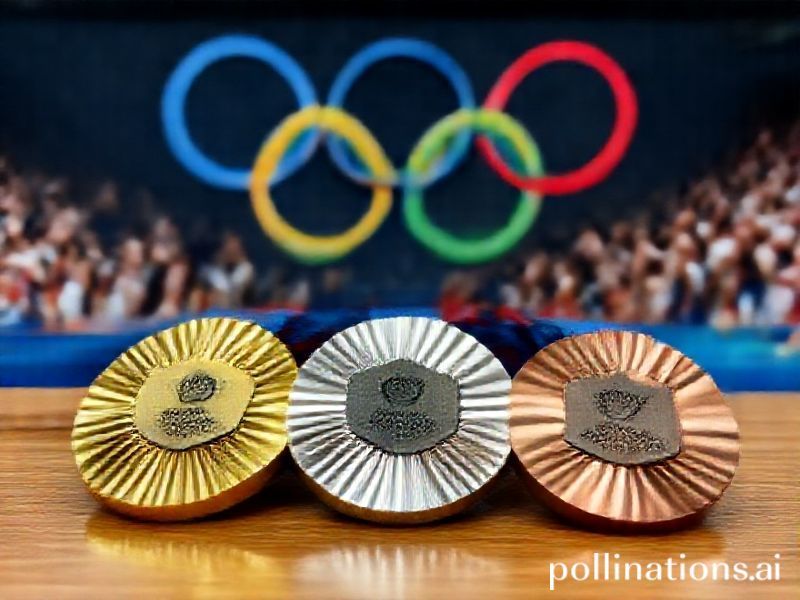
Of course, the allure of the medal itself cannot be ignored. The design, the weight, and even the history behind these tokens add layers of fascination. The gold medal, often mistaken for pure gold, is actually 92.5% silver, coated with a thin layer of gold. The silver medal is comprised entirely of silver, while the bronze is a mix of copper and tin. Each medal tells a story of craftsmanship, history, and the relentless pursuit of perfection – much like the athletes who earn them.
Moreover, the Olympics have always been a melting pot of cultures, and this year’s medals are no exception. The designs often reflect the host country’s heritage and artistry, showcasing local craftsmanship and cultural nuances. For instance, the Tokyo 2020 medals were made from recycled metals sourced from old electronics, making a bold statement about sustainability. This fusion of art, culture, and athleticism resonates deeply in today’s eco-conscious society, making the medals not just a prize but a conversation starter about our collective responsibility to the planet.
As we scroll through our feeds, we see not only the athletes celebrating their victories but also the conversations about the significance of these medals. Are they a symbol of national pride or a reminder of the pressure athletes face? Are they a celebration of diversity or a reflection of systemic inequalities within sports? The discussions are rich and nuanced, proving that Olympic medals are not merely physical objects but powerful symbols that provoke thought and dialogue.
In conclusion, as the Olympics continue to inspire and unite us, the trend surrounding Olympic medals highlights their importance in our cultural discourse. They represent achievement, social responsibility, and a mirror reflecting our societal values. Whether you’re an athlete, a fan, or simply a casual observer, these medals serve as a reminder that beyond the glitter lies a deeper narrative waiting to be explored.