When is the World Cup? The Global Buzz Around Soccer’s Most Anticipated Event
### When is the World Cup? Unpacking the Global Hype Around Soccer’s Biggest Stage
If you’ve been scrolling through your social media feeds or engaging in casual conversations lately, you might have stumbled upon a flurry of posts asking, “When is the World Cup?” It’s the kind of question that can spark a heated debate among friends, ignite passionate rants from loyal fans, and send casual observers diving into Wikipedia rabbit holes. But why is this question trending globally? Let’s kick off our discussion and explore the cultural context, social impact, and significance of this monumental event.
First off, let’s address the elephant in the room: the FIFA World Cup is not just a soccer tournament; it’s a cultural phenomenon that unites nations, transcends borders, and creates a universal language out of a simple ball and a net. Scheduled to take place in Qatar from November 20 to December 18, 2022, this World Cup is particularly notable because it marks the first time the tournament will be held in the Middle East. This unusual scheduling has sparked a mix of excitement and controversy, with discussions ranging from the implications of hosting in such a hot climate to human rights issues. Thus, the question of “when” becomes more layered than just a simple date—it’s a gateway into the complex world of global sports politics.
Culturally, the World Cup is akin to a global festival. From samba dancing in Brazil to the vuvuzelas of South Africa, each tournament brings with it a unique flavor that reflects the host country’s identity. This year’s event in Qatar is no different. The anticipation surrounding the tournament has led to a surge in interest in Qatari culture, architecture, and cuisine. Fans are not just looking forward to the matches; they are also eager to immerse themselves in the local traditions and experiences. In a world that often feels divided, the World Cup serves as a reminder of what we can achieve when we come together for a common purpose: the love of the game.
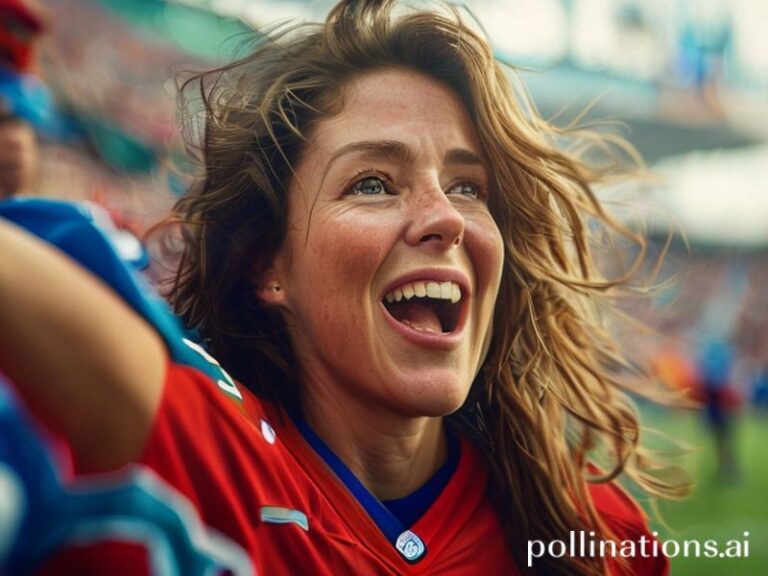
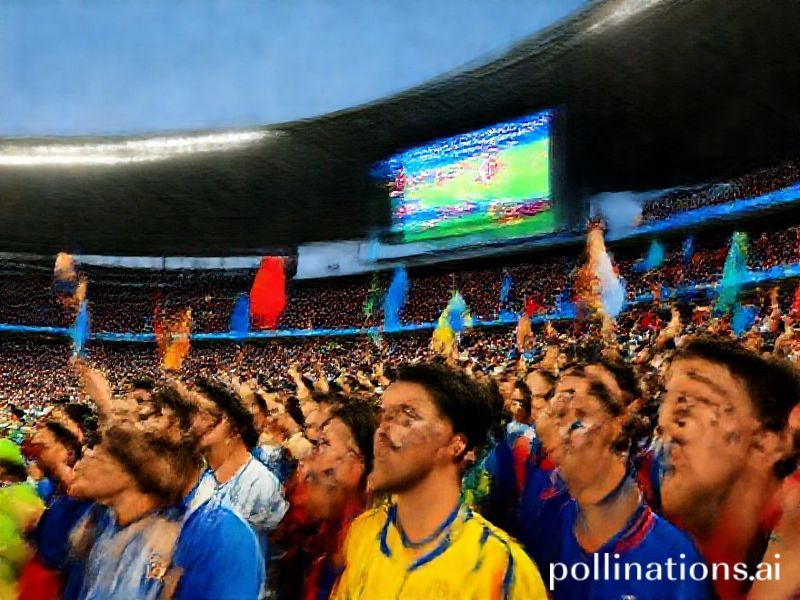
On a social level, the World Cup has a profound impact that extends beyond the pitch. It’s a time when communities rally together, whether it’s to host watch parties, paint their faces in national colors, or engage in heated discussions about team strategies. Social media platforms are flooded with memes, highlights, and viral challenges that capture the spirit of the tournament. The hashtag #WorldCup2022 has become a digital rallying cry, allowing fans from every corner of the globe to share their hopes, dreams, and sometimes, their heartbreaks.
Moreover, the World Cup offers a unique economic boost to the host country. In Qatar’s case, the tournament is expected to attract millions of visitors, providing a much-needed boost to tourism and local businesses. However, this also raises questions about sustainability and the long-term impact on the local economy post-event. As fans flock to stadiums, hotels, and restaurants, the world watches closely, not only for the games but also for the legacy that this tournament will leave behind.
So, what makes the question “when is the World Cup?” so significant? It’s a simple inquiry that encapsulates a vast array of emotions, expectations, and cultural dialogues. It’s about more than just soccer; it’s about identity, community, and the human experience. The World Cup is a celebration of athleticism, but it also serves as a mirror reflecting societal values, challenges, and triumphs.
As we gear up for this year’s festivities, one thing is clear: the World Cup is not just a series of matches; it’s an event that brings the world together, igniting passions and forging connections that last far beyond the final whistle. So, mark your calendars, gather your friends, and prepare for the rollercoaster of emotions that only the World Cup can deliver. After all, in the grand game of life, every match counts.