Puerto Rico: The U.S. Territory That’s Always in the Spotlight
**Is Puerto Rico Part of the United States? Unpacking the Island’s Status in the Global Spotlight**
Ah, Puerto Rico! The land of sunshine, salsa, and, as of late, a heated debate about its status as part of the United States. This question is not just a geographical inquiry but a cultural conundrum that has captured the attention of people worldwide. So why is this topic trending globally? Let’s dive into the cultural context, social implications, and the overarching significance of this spirited discussion.
First things first: Puerto Rico is an unincorporated territory of the United States. This means it falls under U.S. jurisdiction but does not enjoy the full rights accorded to states. Puerto Ricans are U.S. citizens, yet they cannot vote in presidential elections unless they reside in one of the 50 states. This paradox has been a source of frustration, pride, and identity for many Puerto Ricans and has led to a complex relationship with the mainland.
Recent events have sparked renewed interest in this topic. The island has faced a series of natural disasters, from Hurricane Maria in 2017 to the ongoing challenges posed by climate change. Each event has highlighted Puerto Rico’s unique position and the limitations imposed by its territorial status. The hashtag #PuertoRicoIsNotAState has been making the rounds on social media, igniting conversations about colonialism, self-determination, and the rights of Puerto Ricans.
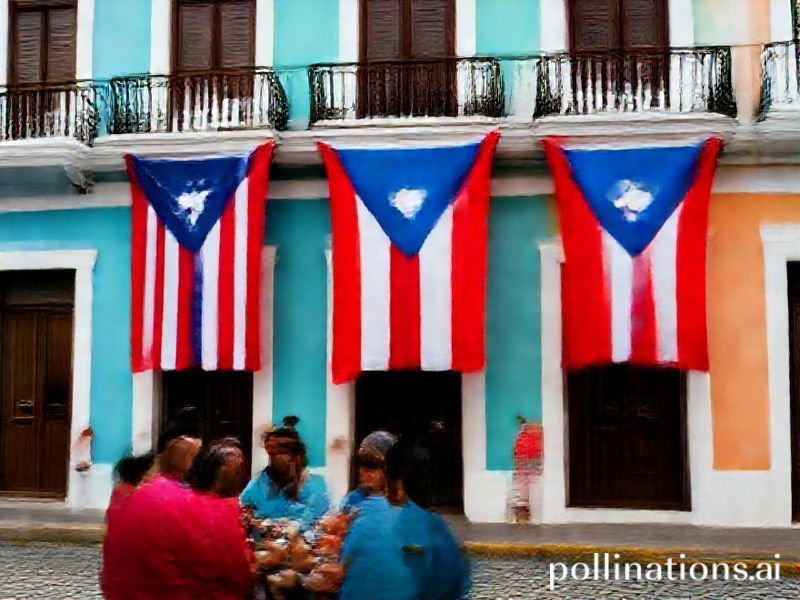
Culturally, Puerto Rico is a vibrant tapestry woven from Spanish, African, and indigenous Taino influences. This rich heritage manifests in everything from its music—think reggaeton and salsa—to its culinary delights like mofongo and lechón. But the conversation about its status often overshadows this cultural richness. Many are asking how the U.S. can claim to be a melting pot while leaving Puerto Rico, a territory with its own distinct culture, in a sort of limbo. The ongoing discourse is a reminder that even in an increasingly interconnected world, colonial legacies still linger.
The social implications of Puerto Rico’s status are profound. With limited representation in Congress and a lack of voting power in federal elections, many Puerto Ricans feel disenfranchised. The ongoing economic crisis, exacerbated by the debt crisis and the pandemic, only adds fuel to the fire. The question of statehood has become not just a political issue but a matter of survival for many. As people around the globe become more aware of these inequities, the conversation is expanding beyond the shores of Puerto Rico, resonating with movements for self-determination and equality worldwide.
What makes this topic particularly significant is its intersectionality with broader global themes. The struggles of Puerto Rico mirror those of other territories and nations grappling with colonial legacies and the fight for autonomy. As discussions about race, identity, and power dynamics gain traction across the globe, the plight of Puerto Rico serves as a case study. It illuminates the disparities faced by colonized nations and raises questions about what true democracy looks like in a world still grappling with the ghosts of its colonial past.
In conclusion, the question of whether Puerto Rico is part of the United States is more than just a yes or no inquiry. It’s a reflection of historical injustices, cultural pride, and the ongoing quest for equality and representation. As this topic trends globally, it serves as a reminder that the fight for recognition and rights is far from over, not just for Puerto Rico but for many communities worldwide. The island’s vibrant culture and resilient spirit continue to shine through, proving that while political status may be up for debate, the heart and soul of Puerto Rico are undeniably American.