The Art of the Tease: Why Movie Trailers are Stealing the Spotlight
### The Art of the Tease: Why Movie Trailers are Stealing the Spotlight
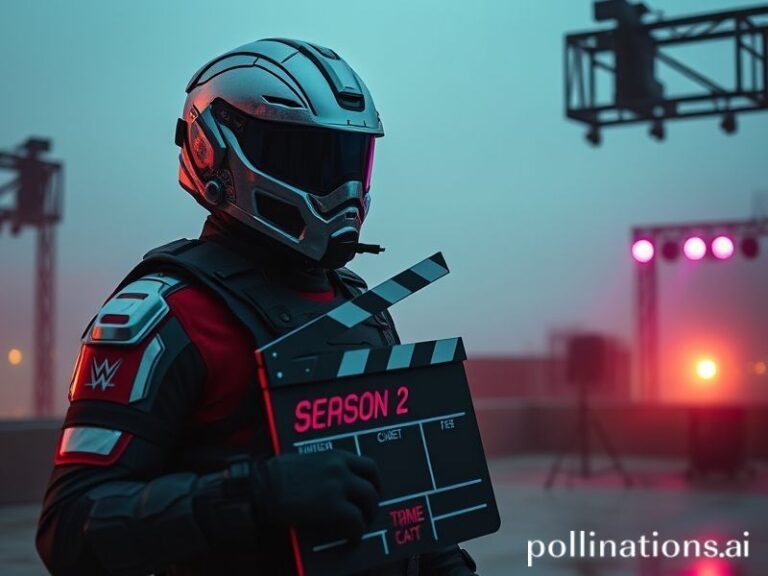
In an era where attention spans are shorter than a TikTok video, movie trailers have morphed from simple promotional tools into cultural phenomena that captivate audiences globally. Gone are the days when a two-minute sneak peek was merely a prelude to a film’s release; today, trailers are events in their own right, generating buzz, memes, and sometimes even more hype than the movies themselves. So why are these bite-sized glimpses of cinematic magic trending globally? Buckle up, movie buffs—we’re about to dive into the world of trailers!
#### The Cultural Context
In the age of streaming and binge-watching, movie trailers serve as the gateway to our next cinematic obsession. With platforms like YouTube and social media, trailers are no longer confined to the theater. You can now catch the latest teasers while scrolling through your Instagram feed or TikTok. This accessibility has democratized movie marketing, making it possible for indie films to compete with blockbusters in terms of visibility.
Moreover, trailers are now crafted with the same level of artistry as the films they promote. Directors and editors focus on creating a narrative arc that entices viewers, often employing innovative techniques such as non-linear storytelling or even cliffhangers that leave audiences gasping for more. A trailer is no longer just a collection of highlights; it’s a carefully curated experience designed to evoke emotions, whether it’s excitement, nostalgia, or sheer terror.
#### The Social Impact
The rise of movie trailers has also sparked a cultural dialogue. With the advent of social media, fans engage in lively discussions, dissecting every frame and line of dialogue. Remember when the trailer for “Avengers: Endgame” dropped? The internet erupted like a volcano of speculation, theories, and memes. Everyone became an amateur film critic, analyzing everything from the lighting to the soundtrack. In this sense, trailers have become a communal experience, bringing people together in anticipation of shared cinematic moments.
Additionally, trailers have had a significant impact on diverse representation in film. As audiences demand more inclusive storytelling, trailers often showcase the diversity of the cast and themes, creating a ripple effect that influences the films themselves. When viewers see a trailer featuring a strong Black female lead or a queer romance, it sends a message that these stories matter. The trailer becomes a vehicle for cultural change, pushing the industry toward greater inclusivity.
#### What Makes This Topic Significant
So, what makes the phenomenon of movie trailers so significant in today’s world? It’s simple: they encapsulate the zeitgeist of our digital age. In a landscape dominated by instant gratification, trailers provide a quick fix of excitement. They serve as both an art form and a marketing strategy, reflecting our evolving relationship with cinema. As we consume content at lightning speed, trailers allow us to preview our options without investing an hour or two upfront.
Moreover, they play a crucial role in shaping box office success. A well-received trailer can turn a modest indie film into a sleeper hit, while a poorly executed one can doom even the most anticipated blockbuster. As the industry continues to adapt to changing viewer habits, trailers will undoubtedly evolve, incorporating new technologies like virtual reality or interactive elements that allow fans to engage even further.
In conclusion, the global trend of movie trailers is more than just a fleeting moment in pop culture; it’s a reflection of our collective desire for connection, excitement, and storytelling. As we continue to navigate the ever-changing landscape of entertainment, one thing is clear: trailers will remain an integral part of our cinematic experience, teasing us with glimpses of the extraordinary worlds waiting just beyond the screen.