InPost: The Parcel Revolution Changing Our Global Landscape
### InPost: The Parcel Revolution Changing Our Global Landscape
In an age where convenience reigns supreme, the world of logistics is undergoing a seismic shift, and at the forefront of this transformation is a little company called InPost. If you’ve been scrolling through social media or binge-watching your favorite shows lately, chances are you’ve come across this name. So why is InPost trending globally? Buckle up, dear readers, as we dive into a tale of innovation, cultural shifts, and the social impact of parcel lockers that’s making waves across continents.
#### A New Era of Parcel Delivery
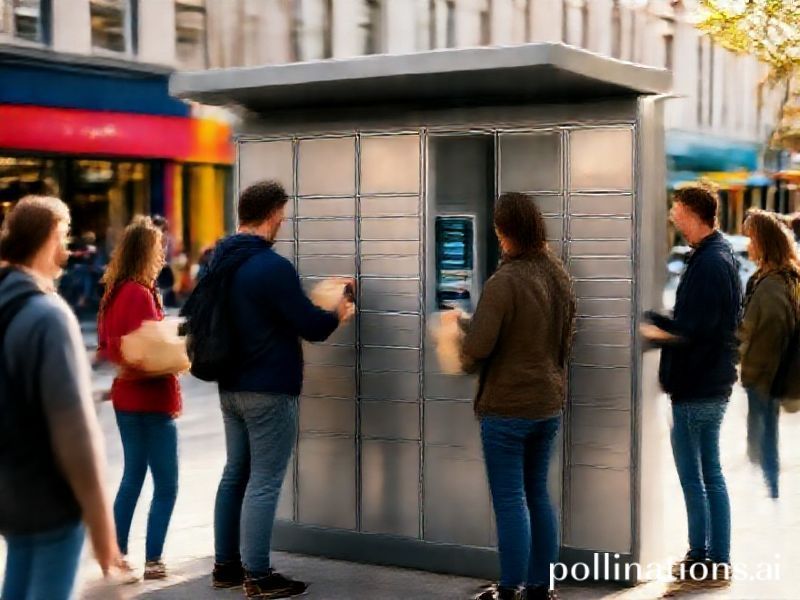
InPost, founded in Poland in 2006, has been quietly revolutionizing the logistics industry with its self-service parcel lockers. Imagine a futuristic vending machine for your packages — that’s essentially what InPost offers. With over 20,000 lockers across Europe and a growing presence in the UK and the US, the convenience of picking up your online purchases at any hour of the day is hard to ignore.
In a world where instant gratification is king, InPost’s lockers provide a solution to the age-old problem of missed deliveries. No longer do you have to wait around for that much-anticipated package, only to find a dreaded “We missed you” slip on your door. Instead, you can swing by the nearest locker at your convenience, grab your goods, and carry on with your life, ideally while sipping on a pumpkin spice latte.
#### Cultural Context: Meeting the Needs of the Modern Consumer
The rise of e-commerce has fundamentally altered how we shop, and InPost has tapped into this cultural zeitgeist with remarkable finesse. With online shopping expected to reach $6 trillion by 2024, consumers are looking for flexible delivery methods that fit into their busy lives. InPost’s lockers cater to the modern consumer’s desire for speed and efficiency, making it a darling of the delivery world.
Furthermore, the pandemic has accelerated the shift to online shopping, with many people preferring contactless delivery options. InPost has positioned itself as a safe and hygienic solution, which resonates with consumers wary of traditional delivery methods. It’s not just about convenience; it’s about safety and adaptability in a rapidly changing world.
#### The Social Impact: Sustainability Meets Accessibility
InPost is also making strides towards sustainability. By consolidating deliveries into fewer locations, the company reduces the carbon footprint associated with traditional delivery methods. This eco-friendly approach has been met with enthusiasm from a public increasingly concerned about climate change. InPost’s lockers are often located in convenient, high-traffic areas, making them accessible to a wider range of consumers, including those in urban environments where space is at a premium.
Moreover, the lockers are designed to accommodate various package sizes, addressing the needs of small businesses and individual sellers. This democratization of logistics empowers local entrepreneurs and supports the gig economy, allowing more people to partake in the e-commerce boom.
#### What Makes InPost Significant?
InPost isn’t just a logistics company; it’s a cultural phenomenon. By blending technology with convenience, it’s reshaping how we think about package delivery. The company has become a symbol of the future — one where you can retrieve your items at your convenience, with zero hassle.
As we move toward a more interconnected world, InPost’s model may serve as a blueprint for similar innovations in other industries. In a time when we’re all looking for ways to simplify our lives, InPost stands out as a beacon of efficiency and practicality.
In conclusion, as we witness the rise of InPost across the globe, it’s clear that this trend is more than just a fleeting moment; it’s a manifestation of our collective desire for convenience, sustainability, and accessibility. So next time you receive a notification about your package being ready for pickup at an InPost locker, remember — you’re not just getting your goods; you’re participating in a global shift toward a smarter, more efficient future.