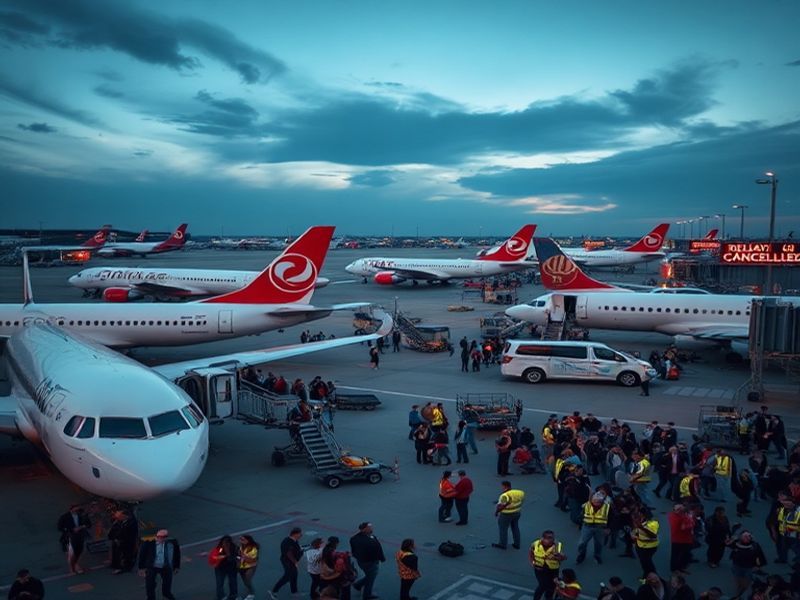
Travel disruptions in Europe have become a persistent challenge for passengers, with flight delays and cancellations affecting thousands of travelers each month. The continent’s busy airspace, combined with seasonal weather extremes and operational bottlenecks, often leads to cascading delays across major hubs. While some delays are unavoidable, understanding the causes, passenger rights, and available solutions can help travelers navigate these disruptions more effectively.
Why Are Flights in Europe So Often Delayed or Cancelled?
Europe’s air traffic network is one of the most densely packed in the world, handling over 10 million flights annually. This high volume strains infrastructure and increases the likelihood of delays. Several key factors contribute to the problem:
- Air Traffic Control Strikes: Labor disputes involving air traffic controllers have repeatedly paralyzed European airspace. In 2023, strikes by French and German controllers led to thousands of cancellations, particularly during peak summer travel periods.
- Severe Weather Events: From winter snowstorms to summer thunderstorms, unpredictable weather across the continent disrupts flight schedules. Southern Europe, for example, faces intense heatwaves that force weight restrictions on aircraft, while northern regions battle fog and low visibility.
- Airspace Restrictions: Geopolitical tensions, such as the ongoing conflict in Ukraine, have led to prolonged airspace closures over parts of Eastern Europe. These restrictions reroute flights, increasing congestion in already busy sectors like Central Europe.
- Operational Inefficiencies: Airports in major hubs such as London Heathrow, Paris Charles de Gaulle, and Amsterdam Schiphol often operate near capacity. Even minor disruptions—such as a late crew member or a technical issue—can ripple through the system, causing widespread delays.
According to data from Eurocontrol, the European network manager, over 20% of flights in the region experience delays longer than 15 minutes, with nearly 5% delayed by more than an hour. These figures highlight the scale of the challenge and the need for systemic improvements.
Passenger Rights in the EU: What You Need to Know
The European Union’s Regulation (EC) No 261/2004 establishes clear rights for passengers affected by flight disruptions. This law applies to all flights departing from an EU airport, as well as flights operated by EU airlines arriving in the EU. Key protections include:
- Right to Compensation:
- Passengers are entitled to compensation between €250 and €600 (depending on distance) if their flight is cancelled less than 14 days before departure, unless the cancellation is due to extraordinary circumstances (e.g., extreme weather or strikes by third parties).
- For long delays (over 3 hours upon arrival), passengers may also claim compensation, provided the delay was within the airline’s control.
- Right to Care:
- If a flight is delayed by more than 2 hours, airlines must provide meals, refreshments, and access to communication. For overnight delays, hotels and transport to/from the airport must be arranged.
- Right to Reimbursement or Re-routing:
- Passengers can choose between a full refund (if the delay is significant) or an alternative flight to their destination. Airlines must also cover the cost of reasonable expenses incurred due to the disruption.
Despite these protections, many passengers are unaware of their rights or face resistance from airlines when filing claims. Organizations like the European Consumer Centre provide guidance and support for travelers seeking compensation. Legal firms specializing in flight compensation, such as AirHelp and Flightright, have also gained popularity, though they typically take a 25-30% fee for successful claims.
Seasonal Trends: When Are Delays Most Likely?
Flight disruptions in Europe are not evenly distributed throughout the year. Certain periods see a sharp increase in delays and cancellations due to predictable factors:
- Summer (June–August):
- Peak travel season sees record passenger volumes, with airports like Barcelona-El Prat and Rome Fiumicino operating at over 90% capacity. Heatwaves can also force temporary closures or reduce takeoff weights due to thinner air.
- Winter (December–February):
- Cold snaps and snowstorms frequently disrupt operations at northern European airports, such as Frankfurt and Munich. Even airports in Southern Europe, like Madrid, can face delays due to icy runways.
- Holiday Periods:
- Easter, Christmas, and New Year’s Eve often trigger a surge in strikes and staff shortages, as unions negotiate labor conditions during peak demand.
For travelers, this means planning ahead is crucial. Booking early morning flights can reduce the risk of delays, as they are less likely to be affected by cumulative disruptions from the previous day. Additionally, choosing less congested secondary airports—such as Brussels Charleroi instead of Brussels Airport—can provide a buffer against widespread delays.
How to Minimize the Impact of Flight Disruptions
While some delays are unavoidable, there are strategies passengers can use to mitigate the impact on their travel plans:
- Stay Informed:
- Use flight tracking apps like FlightAware or the airline’s official app to receive real-time updates. Signing up for SMS or email alerts can help you react quickly to changes.
- Choose the Right Airline and Route:
- Airlines with strong operational reliability, such as Lufthansa, KLM, and Finnair, tend to have fewer disruptions. Connecting via less congested hubs (e.g., Istanbul or Dubai) can also improve on-time performance.
- Book Flexible Tickets:
- Fully refundable or flexible tickets, though more expensive, provide the freedom to rebook without hefty fees. This is particularly valuable during high-risk travel periods.
- Know Your Compensation Options:
- Document everything—boarding passes, receipts for meals, and communication with the airline. If a disruption occurs, file a claim immediately through the airline’s website or a third-party service.
- Consider Travel Insurance:
- Comprehensive travel insurance can cover expenses like hotel stays and alternative transportation if a flight is cancelled. Look for policies that explicitly cover “travel disruption” or “missed connection” clauses.
For frequent travelers, joining airline loyalty programs can also provide perks like priority rebooking and access to customer service hotlines, which are often more responsive during disruptions.
Looking Ahead: Can Europe’s Air Travel System Improve?
Addressing Europe’s flight disruption crisis will require coordinated action from airlines, airports, regulators, and labor unions. Several initiatives are already underway:
- Digital Air Traffic Management: Eurocontrol is investing in the Single European Sky ATM Research (SESAR) program, which aims to modernize air traffic control systems. By improving data sharing and automation, the goal is to reduce delays by up to 10% by 2030.
- Airport Capacity Expansion: Projects like the new Terminal 6 at London Heathrow and the expansion of Paris Charles de Gaulle’s Terminal 4 aim to alleviate congestion. However, environmental concerns and local opposition often delay or scale down these plans.
- Strike Mitigation Strategies: Airlines and unions are exploring alternative dispute resolution mechanisms to avoid disruptive walkouts. In 2023, France introduced a law requiring minimum service levels during strikes in essential sectors, including aviation.
Despite these efforts, experts warn that the problem will persist without a fundamental shift in how Europe manages its airspace. The continent’s fragmented air traffic control system—divided among 41 national providers—creates inefficiencies that digital solutions alone cannot fix. Until these structural issues are addressed, passengers will likely continue to face delays and cancellations.
For now, the best approach is preparation. Travelers should build flexibility into their plans, familiarize themselves with their rights, and monitor conditions closely. While Europe’s flight disruptions may never disappear entirely, informed passengers can at least reduce their impact.