In the grand bazaar of twenty-first-century capitalism, where every human impulse is priced, packaged, and resold at a 400-percent markup, Ticketmaster stands as a cathedral of exquisite disappointment. From São Paulo to Seoul, Dublin to Dubai, the same ritual unfolds: credit-card numbers are tendered like votive offerings, CAPTCHA boxes are genuflected before, and, in the end, millions are told that the gods of arena rock would rather dine with bots than with them.
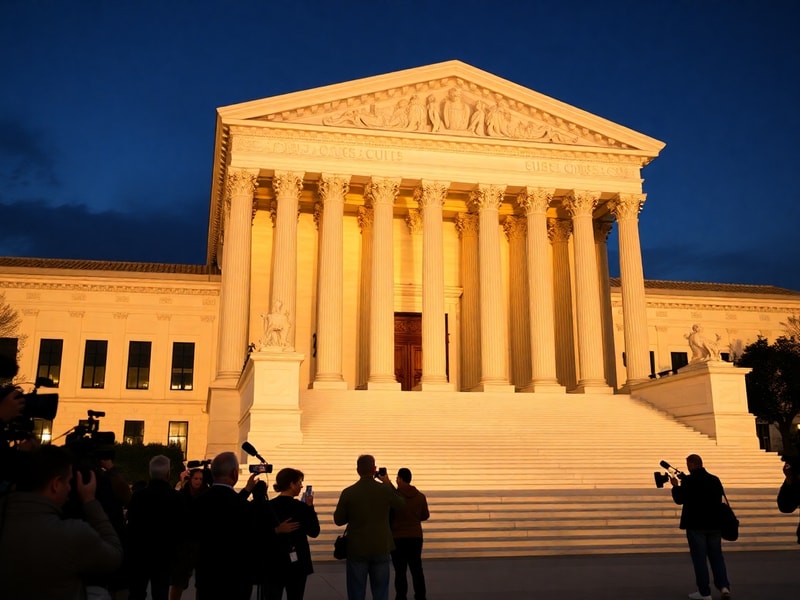
The company’s recent Senate hearing in Washington—complete with pearl-clutching legislators who had apparently just discovered capitalism—was, of course, livestreamed globally. Europeans watched with the smug detachment of people who already pay Value-Added Tax on existential dread. Africans saw another reminder that the world’s most lucrative natural resource is not cobalt but FOMO. Meanwhile, Australians simply shrugged: they’ve been scalped by marsupials and monopolists alike, so queueing for Kylie Minogue tickets in a browser tab that crashes faster than the Great Barrier Reef feels almost patriotic.
Ticketmaster’s genius lies in scaling the intimate cruelty of a nightclub bouncer to planetary proportions. A single algorithm now decides whether a teenager in Jakarta gets to see Bad Bunny or must instead binge grainy TikToks shot by someone whose phone has the cinematography skills of a caffeinated raccoon. The firm’s merger with Live Nation in 2010 created what economists politely call a “vertical integration” and what everyone else calls “the Death Star with service fees.” The result: a single entity that sells the ticket, operates the venue, manages the artist, and—should you have the audacity to sneeze—will likely charge you a $9.99 respiratory convenience surcharge.
Globally, governments have responded with the torpor of a sloth on benzodiazepines. The European Union muttered something about antitrust, then went back to subsidizing cheese. Brazil fined Ticketmaster’s local partner roughly the cost of one luxury box seat, an amount the company recouped before the ink dried. Japan, ever polite, simply introduced more lotteries, thereby democratizing heartbreak by ensuring everyone has an equal chance of losing. And in India, where the black-market ticket ecosystem once ran on chai-fueled hustlers, the tech upgrade has merely replaced sweaty palms with sweaty servers.
The broader significance, if one insists on such things, is that Ticketmaster has become a geopolitical Rorschach test. Americans see unchecked monopoly; Britons see another reason to miss the EU’s consumer protections; Russians, when they can still get visas, see capitalism’s balletic self-sabotage. Even the artists—those supposed rebels against the machine—now partner with the machine, because the machine offers data analytics that tell them exactly how many fans in Chile will pay $300 for a hoodie commemorating a show they never actually attended.
And yet, like a Greek tragedy sponsored by Mastercard, the spectacle continues. We rage against dynamic pricing while refreshing the page every eight seconds. We tweet memes about the futility of Verified Fan codes, then beg friends in four time zones to log in on our behalf. Our collective fury lasts about as long as a pop song’s bridge before we’re back, credit cards trembling in hand, ready to be disappointed again.
In the end, Ticketmaster is not simply selling access to concerts; it is selling a masterclass in late-modern existentialism. You pay not to see the artist, but to confirm your place in a rigged universe where hope is monetized and disappointment itemized. The receipt, printed in six languages plus barcode, doubles as a philosophical treatise: “Service Fee: $38.50—because despair, like everything else, is cheaper when bought in bulk.”
So here we are, citizens of a planet where borders fade but the queue remains eternal. Until someone discovers how to hack the human heart as cleanly as a bot snaps up floor seats, we’ll keep entering our CVV codes like prisoners scratching days onto a cell wall. After all, the show must go on—just without us.