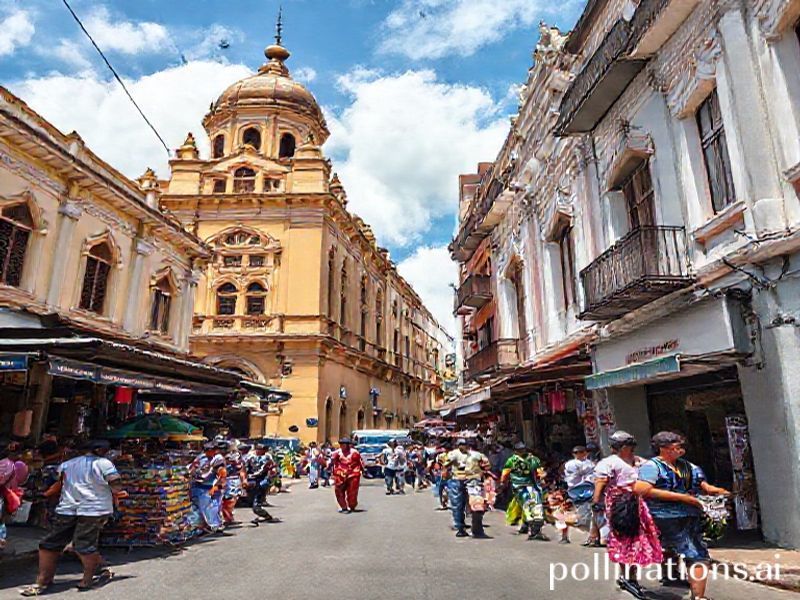
Rio de Janeiro—Early evening, and the Atlantic is doing that postcard trick where the sun melts into the sea like cheap margarine. Somewhere behind me, a vendor hawks caipirinhas to German influencers who will later post “good-vibes-only” captions while their home government debates whether sending Leopard tanks to Ukraine is still gauche. Brazil, ever the gracious host, absorbs their euros, their filters, and their existential dread without blinking. After all, this is the country that taught the world how to throw a party while the kitchen is on fire—and then sell the ashes as premium fertiliser.
To outsiders, Brazil remains the planet’s most overachieving contradiction: fifth-largest country by land, ninth-largest economy by GDP, and first-place in the eternal competition of “how many simultaneous crises can one nation juggle before breakfast?” In the last month alone, the central bank cut rates while the Amazon hit a six-year deforestation high; a Supreme Court justice indicted several congressmen for January 8’s riot cosplay; and São Paulo fashion week debuted a line of sustainable bikinis allegedly made from recycled fishing nets—presumably the same ones used to trawl congressional speeches for logic.
Globally, whatever happens here no longer stays here. When the lungs-of-the-world rainforest sneezes, the planet’s carbon accountants reach for their inhalers. European pension funds—still light-headed from the 2008 hangover—have discovered that 30 percent of their “socially responsible” portfolios are quietly financed by Brazilian cattle whose carbon hoof-print is larger than Luxembourg. Meanwhile, Chinese soybean traders keep a weather eye on every Bolsonaro-era land-grab court case, because nothing derails a stir-fry like a sanctions-induced protein gap. Even your ethically sourced avocado toast is geopolitical: the potassium in that brunch came from mines in Minas Gerais whose tailings dams are held together by hope, paper clips, and the occasional prayer to Oxum.
Investors pretend to be shocked—shocked!—that a country with 4,000-odd municipal elections every two years produces policy whiplash. They demand “certainty,” a commodity Brazilians export about as often as snowploughs. Yet certainty is overrated; volatility is just capitalism’s samba. The real slipped three percent last week? Call it a “dynamic FX experience” and charge admission. In a world where G7 leaders can’t keep their own parliaments upright for more than a fiscal quarter, Brazil’s talent for creative chaos looks less like dysfunction and more like avant-garde governance.
Of course, the human spreadsheet is grim. Roughly one-third of the population still hovers just above the poverty line, a statistical limbo economists call “vulnerable” and everyone else calls Tuesday. The government’s flagship welfare program, affectionately nicknamed “Brazil Aid,” tops out at roughly $110 a month—enough to keep starvation at bay, yet conveniently below the threshold for actual hope. Compare that to the $800 million the central bank spent last year intervening in FX markets to “calm investors,” and you understand why local cynics joke the national currency should be renamed the “Real Estate”—it’s mostly imaginary, but it keeps the landlords happy.
Still, pessimism is a tourist’s luxury. Brazilians themselves invented the term jeitinho—“the little way”—a social judo move that converts bureaucratic chokeholds into limbo contests. Need a document stamped during lunch hour? The security guard’s cousin’s dentist can help, provided you sponsor his daughter’s bat mitzvah. It’s corruption if you’re Swiss; survival if you’re Brazilian. The rest of the planet clutches its pearls, then outsources the same ingenuity to call-center scripts in Bangalore.
What does it all mean for the international order? Simple: Brazil is the control group for whether democracy, neoliberalism, and environmental stewardship can coexist without mutually assured embarrassment. If Brasília manages to decouple economic growth from ecological arson, every other tropical democracy gets a cheat code. If not, welcome to the climate casino, where the house (and the rainforest) always burns—sorry, wins—in the end.
Either way, the caipirinhas keep flowing, the beat goes on, and the vendor quietly raises prices—dollar-linked, naturally. Because in the end, Brazil doesn’t need your pity; it needs your foreign-currency reserves. And if the world’s great powers can’t figure out how to keep a forest standing, perhaps they’ll at least finance the soundtrack while it falls.