The NYT Connections Craze: Why the World is Suddenly Obsessed with Word Puzzles
In the vast, ever-shifting landscape of internet trends, few phenomena have captured global attention quite like the New York Times’ Connections puzzle. If you’ve spent any time on social media lately, you’ve likely seen friends, family, or even strangers in the digital wilderness frantically discussing “clues” and “categories.” But what’s the big deal? Why has this word puzzle suddenly become the hottest topic of conversation, from coffee shops to Twitter threads? Let’s dive in.
The Cultural Context: A Puzzle for the Digital Age
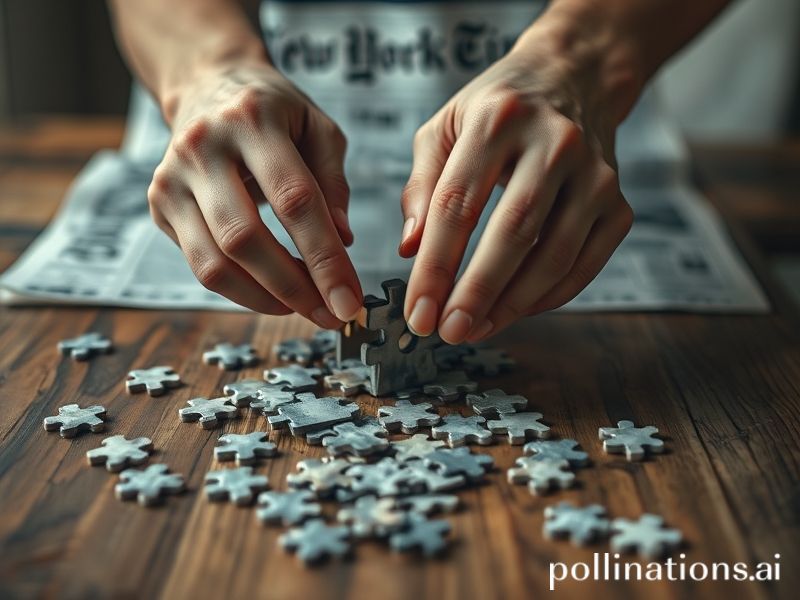
Connections, a daily word game introduced by the New York Times in 2023, is simple in concept but deceptively complex in execution. Players are given a 16-word grid and must sort these words into four hidden categories. The twist? The categories aren’t provided—players must deduce them based on the words themselves. It’s like a high-stakes game of “What’s the Connection?” that your grandma might play at a family gathering, but with a modern, internet-fueled twist.
The game’s appeal lies in its accessibility and intellectual challenge. Unlike crossword puzzles, which often require a broad vocabulary and cultural knowledge, Connections is more about lateral thinking and pattern recognition. It’s a puzzle that rewards creativity and out-of-the-box thinking, making it perfect for the internet age, where memes, trends, and viral challenges thrive on similar principles.
The Social Impact: A Global Phenomenon
Connections has become more than just a game—it’s a cultural moment. Social media platforms like Twitter, Reddit, and even TikTok are flooded with discussions, memes, and even heated debates about the day’s puzzle. The hashtag #NYTConnections has become a digital watercooler, where players share their triumphs, frustrations, and (occasionally) their cheats.
The game’s social impact extends beyond just entertainment. It’s fostered a sense of community among players, creating a shared experience that transcends borders and demographics. Whether you’re a seasoned puzzle enthusiast or a casual player, Connections offers a level playing field where everyone can participate and engage.
Why It’s Significant: The Psychology of Puzzles
At its core, Connections taps into the human love for puzzles and problem-solving. Psychologically, puzzles provide a sense of accomplishment and satisfaction, releasing dopamine—the “feel-good” neurotransmitter—when we solve them. This is why games like Sudoku, crosswords, and now Connections have such a dedicated following. They offer a mental workout that’s both challenging and rewarding.
Moreover, Connections is a reflection of our times. In an era of information overload, where we’re constantly bombarded with data, the ability to categorize and make connections is a valuable skill. Connections hones this skill in a fun, engaging way, making it not just a game but a mental exercise that’s relevant to our daily lives.
The Future of Connections: A Lasting Legacy?
As with any internet trend, the question arises: Will Connections fade away, or will it become a staple in our digital lives? Given its widespread appeal and the New York Times’ track record with games like Wordle, it’s likely that Connections will stick around for a while. The game’s simplicity, combined with its intellectual challenge, makes it a timeless addition to the puzzle genre.
Conclusion: The Power of a Simple Idea
Connections is a testament to the power of a simple idea executed well. It’s a game that’s easy to understand but hard to master, a puzzle that’s both accessible and intellectually stimulating. In a world that’s increasingly complex and fragmented, Connections offers a unifying experience—a shared challenge that brings people together.
So, whether you’re a seasoned pro or a newcomer to the game, there’s no denying that Connections has become a cultural phenomenon. And as the internet continues to evolve, one thing is clear: the world’s obsession with word puzzles is here to stay.