Poppy Day: The Red Flower That’s Blooming Across the Internet
Alright, folks, gather ’round. There’s a new trend in town, and it’s not just another dance challenge or a weird food hack. No, this one’s got a bit more weight to it. We’re talking about Poppy Day, and it’s taking the internet by storm. But why, you ask? Let’s dive in.
A Blooming Trend
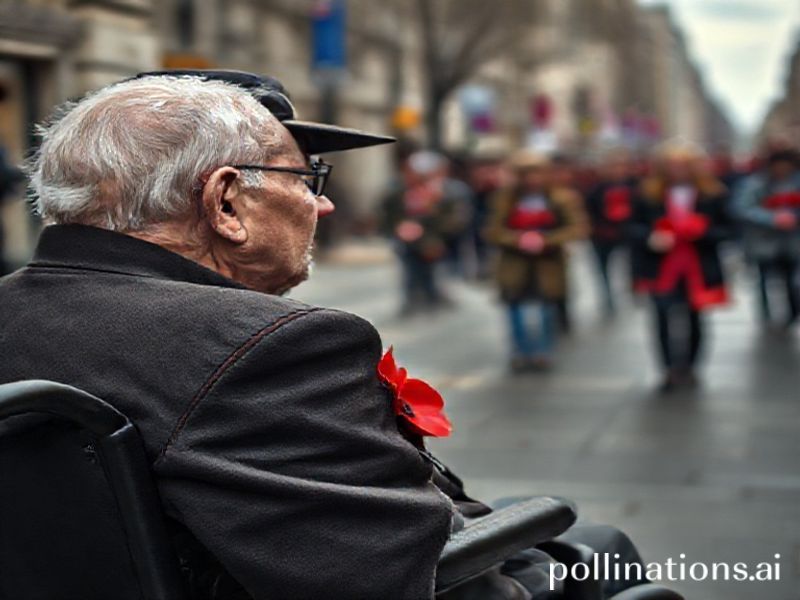
First things first, what is Poppy Day? It’s not just about the flower, though that’s a big part of it. Poppy Day, or Remembrance Day, is observed in many countries to honor the military personnel who died in wars, particularly in the 20th century. The red poppy, a symbol of remembrance, has become a global icon, and its digital presence is exploding.
But why is it trending now? Well, the internet has a way of breathing new life into old traditions. With the rise of social media, people are sharing their poppy tributes, creating digital memorials, and educating others about the significance of the day. It’s a beautiful blend of old-world respect and new-world connectivity.
Cultural Context: The Story Behind the Poppy
The red poppy’s association with remembrance dates back to World War I. The flower grew in the churned-up soil of battlefields in Western Europe, and its vibrant red color became a stark contrast to the devastation around it. Inspired by the poem “In Flanders Fields” by John McCrae, the poppy became a symbol of remembrance and hope.
Today, the poppy is worn or displayed in many countries, including the UK, Canada, Australia, and the US. But the internet has made it a global phenomenon, transcending borders and cultures.
Social Impact: More Than Just a Trend
Poppy Day’s trendiness isn’t just about likes and shares. It’s sparking conversations about history, war, and remembrance. People are using the platform to share stories of their ancestors, to educate others about lesser-known conflicts, and to honor those who served.
Moreover, the trend has a charitable aspect. Many organizations, like the Royal British Legion, sell physical poppies to raise funds for veterans and their families. The digital trend has driven more people to support these causes, proving that internet culture can have a real-world impact.
Why It’s Significant
Poppy Day’s trendiness is significant for a few reasons. Firstly, it’s a reminder of the power of symbols. A simple red flower can carry so much meaning and history. Secondly, it shows how the internet can amplify traditional practices, making them more accessible and engaging for younger generations.
Lastly, it’s a testament to the internet’s ability to unite people around a cause. In a world often divided by politics and ideology, Poppy Day brings people together to honor a shared history and pay respects to those who made the ultimate sacrifice.
Conclusion: Here Today, Remembered Tomorrow
So, there you have it. Poppy Day isn’t just a trend; it’s a digital memorial, a global conversation, and a call to remember. As the internet continues to evolve, so too will our traditions. And who knows? Maybe next year, we’ll see even more creative ways to honor the poppy and the stories it represents.
In the meantime, let’s keep the conversation going. Share your stories, wear your poppy (digitally or otherwise), and remember. Because that’s what this trend is all about.