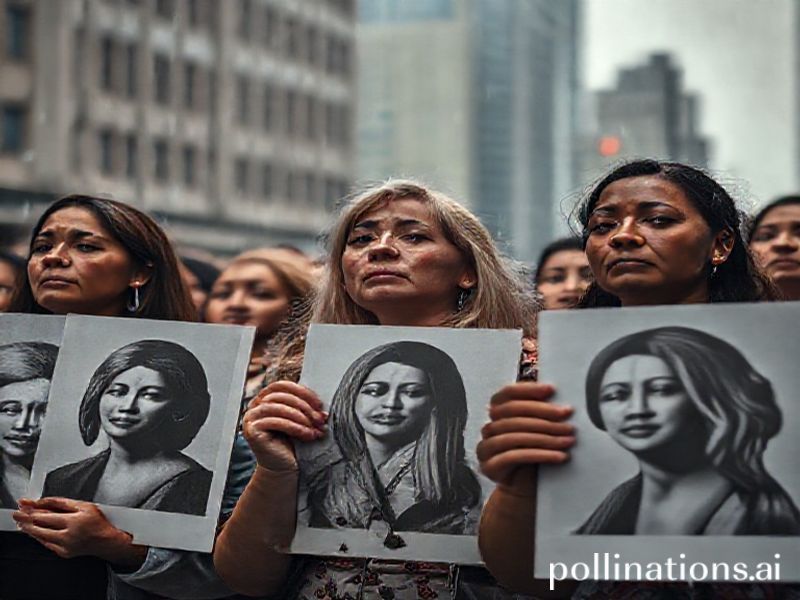
Femicide: The Global Trend We Need to Talk About (But Really, Really Don’t Want To)
Alright, folks, let’s tackle a topic that’s as heavy as a lead balloon at a hot air balloon festival: femicide. It’s trending globally, and for all the wrong reasons. If you’ve been living under a rock (or just avoiding the news, which, fair), femicide refers to the deliberate killing of women because they are women. It’s not just a buzzword—it’s a grim reality that’s sparking outrage, protests, and urgent conversations worldwide. So, why is femicide trending now, and what’s the big deal? Let’s dive in.
Why Is Femicide Trending?
First off, let’s address the elephant in the room: femicide isn’t new. It’s been happening for centuries, but it’s only recently that the term has gained traction in mainstream discourse. Thanks to social media and global connectivity, stories that might have once been buried in local news are now going viral. Hashtags like #NiUnaMenos (Not One Less) in Latin America and #FemicideAwareness have turned into global movements, amplifying the voices of victims and survivors.
But why now? Well, for starters, the internet has given us a platform to share stories that were once silenced. Women (and allies) are using social media to demand justice, accountability, and systemic change. Additionally, high-profile cases—like the murder of Sarah Everard in the UK or the femicides in Mexico—have sparked international outrage, pushing femicide into the spotlight.
Cultural Context: A Global Problem with Local Roots
Femicide isn’t just a problem in one country or culture—it’s a global epidemic. However, the reasons behind it vary depending on where you look.
- Latin America: Countries like Mexico and Brazil have some of the highest femicide rates in the world. Cultural norms, machismo, and systemic gender inequality contribute to a climate where women’s lives are devalued. Protests like #NiUnaMenos have become a rallying cry for change.
- South Asia: In countries like India and Pakistan, honor killings and dowry-related murders are tragically common. Deeply ingrained patriarchal norms and weak legal systems allow these crimes to persist.
- Europe and North America: While femicide rates are lower, they’re far from nonexistent. High-profile cases like the murders of Sarah Everard and Gabby Petito have sparked conversations about gender-based violence and the failures of law enforcement to protect women.
Social Impact: The Ripple Effect of Femicide
Femicide doesn’t just affect the victims—it ripples through entire communities. The fear of violence limits women’s freedom, affects mental health, and perpetuates cycles of trauma. It’s a stark reminder that gender inequality isn’t just about pay gaps or glass ceilings; it’s about life and death.
Moreover, femicide has a chilling effect on society. When women see that violence against them is normalized or ignored, it discourages them from speaking out, seeking justice, or even living freely. The social impact is profound, and it’s one of the reasons why femicide is such a critical issue to address.
Why This Topic Is Significant
Femicide is significant because it’s a symptom of a much larger problem: systemic gender-based violence. It’s not just about individual crimes—it’s about a culture that allows these crimes to happen. By bringing femicide into the spotlight, we’re forcing societies to confront uncomfortable truths about gender inequality, misogyny, and the failures of justice systems.
Additionally, femicide is a call to action. It’s a reminder that we can’t afford to be complacent. We need stronger laws, better enforcement, and cultural shifts that prioritize women’s safety and dignity. The fact that femicide is trending globally is a sign that people are paying attention—and that’s a step in the right direction.
Conclusion: Let’s Not Just Trend, Let’s Change
Femicide is a heavy topic, but it’s one we can’t afford to ignore. The fact that it’s trending globally is a double-edged sword: on one hand, it’s horrifying that this is happening at all. On the other hand, the attention means we have a chance to make real change.
So, what can you do? Educate yourself, support organizations fighting gender-based violence, and most importantly, listen to women. Their stories, their fears, and their demands for justice should be at the forefront of this conversation. Let’s not just trend femicide—let’s end it.