Nagaland: The Hornbill Effect and Why the World is Watching
Alright, internet denizens, let’s talk about Nagaland. No, it’s not a mythical creature from your favorite fantasy series, nor is it a new type of energy drink. Nagaland is a real place, a state in northeastern India, and it’s been trending globally for reasons that are as fascinating as they are unexpected.
The Hornbill Effect
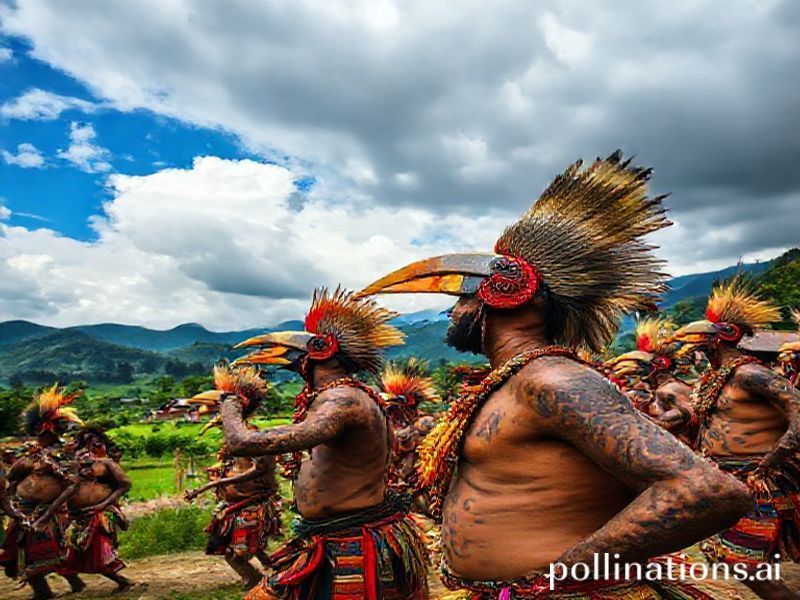
At the heart of Nagaland’s sudden fame is the Hornbill Festival. Imagine a cultural extravaganza where tribes come together to celebrate their heritage with dances, songs, and some seriously impressive headgear. It’s like Coachella, but with more traditional attire and fewer Instagram influencers (though, let’s be real, that’s changing).
The Hornbill Festival has been around since the 1960s, but it’s only recently that it’s caught the world’s attention. Thanks to the magic of social media, images and videos of the festival have gone viral, showcasing the vibrant culture and unique traditions of the Naga people. It’s a feast for the eyes, and the internet can’t get enough.
Cultural Context: A Tapestry of Tribes
Nagaland is home to several tribes, each with its own distinct culture, language, and traditions. The Hornbill Festival is a celebration of this diversity, bringing together tribes like the Angamis, Ao, Lothas, and Sumis. The festival is named after the hornbill bird, which is revered by many Naga tribes and plays a significant role in their folklore.
The festival features a variety of events, including traditional dances, music performances, and even a “Hornbill National Rock Contest” for the musically inclined. There’s also a “Hornbill International Music Festival” that attracts artists from around the world. It’s a melting pot of cultures, and it’s easy to see why it’s become a hotspot for cultural tourism.
Social Impact: From Isolation to Global Stage
Nagaland’s journey to the global stage hasn’t been an easy one. The state has a complex history marked by conflict and isolation. The Hornbill Festival, however, has played a crucial role in changing the narrative. It’s put Nagaland on the map, attracting tourists, media attention, and investment.
The festival has also had a significant impact on the local economy. It creates jobs, boosts tourism, and provides a platform for local artisans to showcase and sell their crafts. Moreover, it’s fostered a sense of pride and unity among the Naga people, celebrating their rich cultural heritage and promoting peace and understanding.
Why Should You Care?
You might be thinking, “That’s all well and good, but why should I care about Nagaland?” Well, dear internet user, let me tell you. In a world that’s increasingly interconnected, it’s more important than ever to celebrate and understand different cultures. The Hornbill Festival offers a glimpse into a world that’s vastly different from what many of us are used to. It’s a reminder of the beauty and diversity of human culture.
Moreover, Nagaland’s story is a testament to the power of cultural tourism. It’s a model for other regions looking to leverage their cultural heritage to drive economic growth and social change. So, whether you’re a culture vulture, a travel enthusiast, or just someone who loves a good underdog story, Nagaland is worth your attention.
Conclusion
Nagaland’s rise to global fame is a story of cultural celebration, economic transformation, and social change. The Hornbill Festival has put this northeastern state on the map, showcasing its vibrant culture and unique traditions to the world. It’s a reminder of the power of culture to bring people together, to drive economic growth, and to change narratives.
So, the next time you see Nagaland trending, don’t just scroll past. Dive in, explore, and appreciate the rich cultural tapestry that’s on display. After all, the world is a lot more interesting when we take the time to understand and celebrate our differences.