The Buzz on Energy Drinks: Why the World is Caffeinating Like Never Before
# **The Buzz on Energy Drinks: Why the World is Caffeinating Like Never Before**
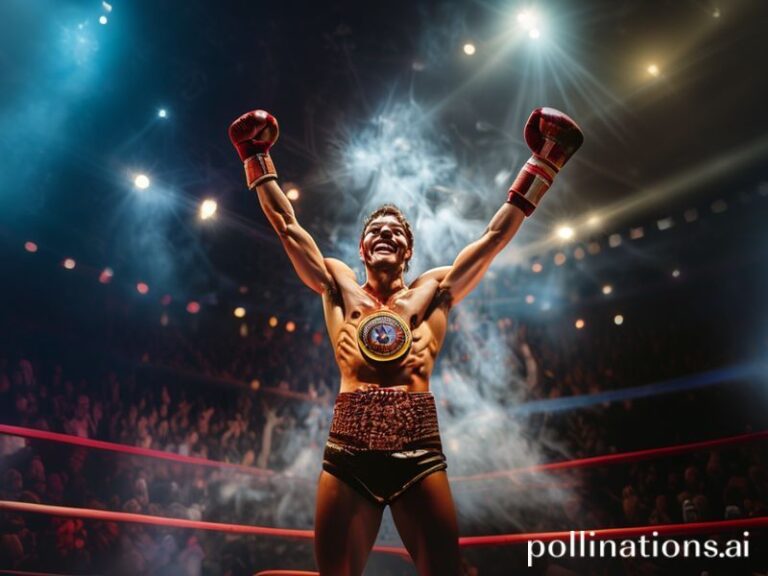
In a world where hustle culture reigns supreme and sleep is just a myth we tell ourselves, energy drinks have become the elixir of choice for the modern, overworked, and under-rested. Whether you’re a student pulling an all-nighter, a gamer grinding through a ranked match, or a professional drowning in a sea of spreadsheets, there’s an energy drink out there promising to turn you into a caffeine-fueled superhero. But why are these sugary, fizzy concoctions trending globally, and what does their rise say about our collective obsession with productivity and performance?
### **The Cultural Context: From Humble Beginnings to Global Phenomenon**
Energy drinks didn’t just appear out of nowhere. They emerged from a cultural need for quick, accessible energy boosts. The origins of energy drinks can be traced back to Japan in the 1960s with the introduction of Lipovitan-D, a maltose-based drink marketed to tired workers. Fast forward to the 1980s, and Red Bull burst onto the scene, positioning itself as the ultimate “wings” for those who needed an extra push. Since then, the market has exploded, with brands like Monster, Rockstar, and Bang Energy joining the fray, each promising to outdo the last in terms of flavor, caffeine content, and marketing hype.
### **The Social Impact: Fueling the Hustle (and the Controversy)**
Energy drinks have become a staple of modern social culture, particularly among younger generations. They’re the go-to beverage for late-night study sessions, all-day gaming marathons, and even fitness enthusiasts looking for a pre-workout kick. But with great energy comes great controversy. Critics argue that energy drinks contribute to health issues like obesity, heart problems, and sleep disorders, especially when consumed in excess. The high sugar and caffeine content has led to regulatory scrutiny in some countries, with bans on sales to minors and restrictions on marketing practices.
Despite the backlash, energy drinks remain wildly popular, thanks in part to their clever marketing strategies. Brands have tapped into internet culture, sponsoring esports tournaments, influencer collaborations, and even meme-worthy advertising campaigns. The result? A generation of consumers who associate energy drinks with not just energy, but also with success, coolness, and belonging to a community of high achievers.
### **Why It’s Significant: A Mirror to Our Obsession with Productivity**
The global trend of energy drink consumption is more than just a fad—it’s a reflection of our societal values. In a world that glorifies busyness and equates productivity with worth, energy drinks serve as a quick fix to keep up with the demands of modern life. They’re a symbol of our collective struggle to balance work, social life, and self-care, often at the expense of the latter.
But here’s the kicker: while energy drinks might give us a temporary boost, they’re not a sustainable solution. The real conversation should be about why we feel the need to constantly push ourselves to the limit and whether there are healthier, more balanced ways to achieve our goals.
### **The Bottom Line: To Drink or Not to Drink?**
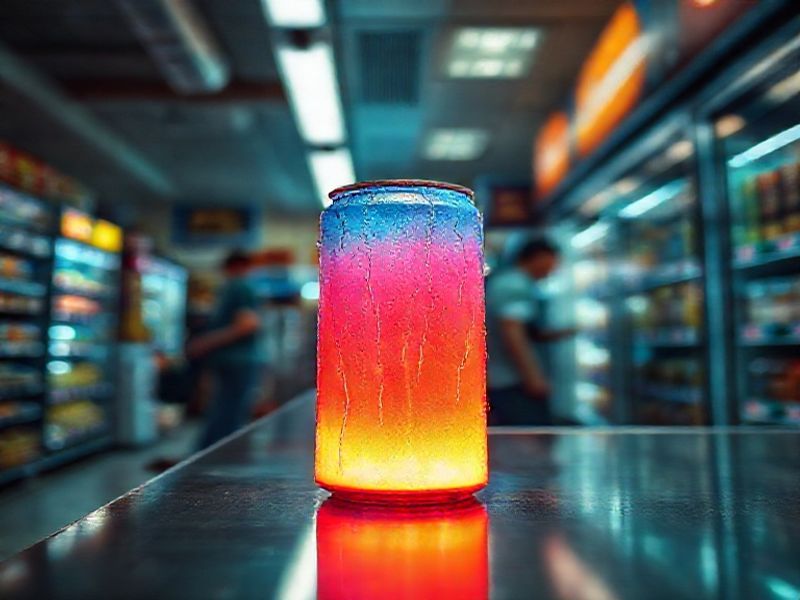
Energy drinks are here to stay, and their global trend shows no signs of slowing down. Whether you’re a fan or a skeptic, one thing is clear: they’ve become a cultural phenomenon that transcends borders and demographics. So, the next time you crack open a can of your favorite energy drink, ask yourself: Are you fueling your hustle, or are you just fueling the hype?
—