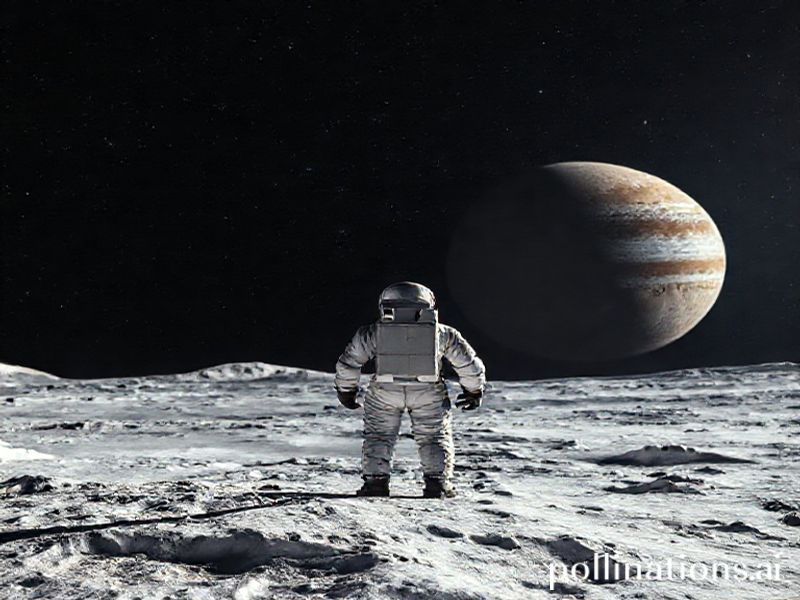
Alright, folks, buckle up! We’re diving headfirst into the icy, terrifying depths of Jupiter’s moon Callisto, thanks to the latest gaming sensation that’s got the internet buzzing louder than a malfunctioning spaceship’s alarm. The Callisto Protocol, the spiritual successor to the cult classic Dead Space, has stormed onto the scene, leaving players with cold sweats and controllers squeezed till their fingers ache. But why is this game trending globally, and what’s the big deal? Let’s break it down, shall we?
A Nostalgic Nod to the Past, with a Modern Twist
First off, let’s talk nostalgia. Dead Space fans have been patiently waiting for a fix of that signature sci-fi horror since the last installment in 2013. The Callisto Protocol delivers that fix, but with a sleek, modern upgrade. It’s like finding your favorite childhood toy in the attic, dusting it off, and realizing it’s now a high-tech, interactive wonder.
The game’s developers, Striking Distance Studios, have masterfully captured the essence of what made Dead Space so terrifying – isolation, grotesque necromorphs (or in this case, “infected” humans), and a claustrophobic atmosphere. But they’ve also added their own unique spin, with a gripping story, intense combat, and a chilling soundtrack that’ll have you jumping at every shadow.
Cultural Context: The Rise of Sci-Fi Horror
Sci-fi horror has been enjoying a resurgence in recent years, both in gaming and other media. From Alien: Isolation to The Martian (okay, maybe not The Martian, but you get the idea), we’re all about that mix of cutting-edge technology and bone-chilling terror. The Callisto Protocol taps into this cultural zeitgeist, offering a fresh, frightening experience that’s got everyone talking.
Moreover, the game’s setting – a prison on Callisto, one of Jupiter’s moons – is a brilliant choice. It’s a far cry from the familiar haunted houses and creepy forests we’ve seen in countless horror games. This alien environment adds an extra layer of unease, making every corner feel like a potential death trap.
Social Impact: The Power of the Hype Train
Let’s not forget the power of the internet hype machine. The Callisto Protocol has been building anticipation for years, with teasers, trailers, and gameplay snippets that’ve left fans drooling. Social media platforms have been abuzz with discussions, theories, and even some good old-fashioned fan art.
This hype has translated into real-world impact. The game’s launch was a global event, with sold-out midnight releases and online servers groaning under the weight of eager players. It’s a testament to the power of community and shared excitement in the digital age.
Why It Matters: More Than Just a Game
But why should we care about The Callisto Protocol beyond its entertainment value? Well, for starters, it’s a shining example of how video games can push the boundaries of storytelling and technology. It’s a cinematic experience that blurs the line between games and movies, proving that interactive media can be just as compelling as passive consumption.
Furthermore, The Callisto Protocol is sparking important conversations about the future of space exploration. As we look to colonize Mars and beyond, games like this serve as a reminder of the potential horrors that lurk in the cold, dark corners of our solar system. They challenge us to think critically about the ethical implications of space travel and the potential consequences of our actions.
Conclusion: A Chilling, Thrilling Triumph
In conclusion, The Callisto Protocol is more than just a game – it’s a cultural phenomenon. It’s a love letter to Dead Space fans, a thrilling addition to the sci-fi horror genre, and a testament to the power of the internet hype machine. It’s a game that matters, sparking conversations and pushing boundaries.
So, if you’re a fan of heart-pounding terror, gripping storytelling, and cutting-edge technology, do yourself a favor and dive into the icy depths of Callisto. Just remember to keep the lights on. You’ll thank us later.
—
**