The Great Junk Food Advertising Ban: A Global Snackdown
# **The Great Junk Food Advertising Ban: A Global Snackdown**
In a world where memes spread faster than a viral TikTok dance, there’s a new trend that’s got everyone talking—and it’s not the latest K-pop sensation or a celebrity feud. No, this time, it’s about the humble (and not-so-humble) junk food. Governments around the world are cracking down on junk food advertising, and the internet is buzzing with opinions. But why is this trending globally, and what does it mean for our snack-loving, meme-sharing culture?
### **The Cultural Context: A World of Snack Overload**
Let’s face it: we live in a world where fast food is just a swipe away, and junk food ads are as ubiquitous as cat videos on Instagram. From the golden arches of McDonald’s to the irresistible glow of a KFC bucket, these ads have become a part of our digital landscape. But now, countries like the UK, Canada, and even parts of the US are saying, “Enough is enough!” and implementing bans on junk food advertising, especially those targeting kids.
This isn’t just about health; it’s about culture. Junk food ads have become a staple of modern life, much like the morning coffee or the evening Netflix binge. They’re part of our collective consciousness, shaping our cravings and even our social interactions. Remember the “Share a Coke” campaign? It turned soda into a social experience. But now, the tide is turning, and governments are stepping in to protect public health.
### **The Social Impact: A Battle of Health vs. Hustle**
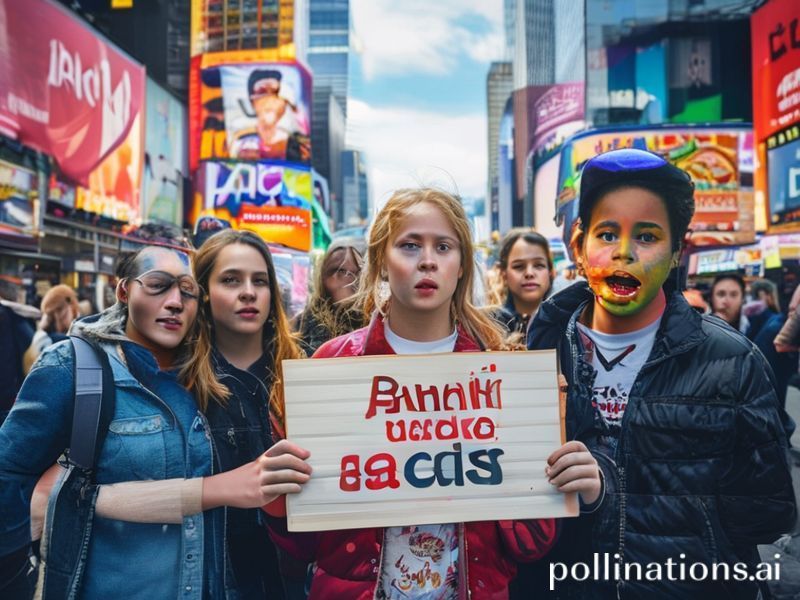
The social impact of these bans is enormous. On one hand, you have public health advocates cheering for stricter regulations, arguing that junk food ads contribute to obesity and related health issues. On the other hand, you have the advertising industry and food giants pushing back, claiming that these bans infringe on their right to market their products.
But let’s not forget the role of social media in this debate. Platforms like TikTok and Instagram have become battlegrounds for food influencers and health advocates. Viral videos of “what I eat in a day” often feature junk food, while others promote plant-based diets. The internet is a melting pot of conflicting messages, and the junk food advertising ban is just another layer in this complex narrative.
### **Why It’s Significant: A Shift in the Snack Game**
The significance of this trend lies in its potential to reshape our relationship with food. If governments succeed in limiting junk food ads, we might see a decline in obesity rates and related health issues. But it’s not just about health; it’s about the power of advertising and its influence on our choices.
This trend also highlights a broader shift in societal values. We’re living in an era where wellness and sustainability are gaining traction, and junk food is increasingly seen as a relic of the past. The junk food advertising ban is a symptom of this shift, a sign that the world is ready to move beyond the era of endless snacking and towards a healthier, more mindful approach to food.
### **Conclusion: The Future of Snack Culture**
As the junk food advertising ban continues to trend globally, one thing is clear: the snack game is changing. Whether you’re a fan of fast food or a proponent of healthy eating, this trend is a reminder that our choices are influenced by more than just personal preference. They’re shaped by the ads we see, the memes we share, and the cultural narratives that surround us.
So, the next time you see a junk food ad, ask yourself: is it just a harmless marketing ploy, or is it part of a larger cultural shift? And more importantly, what’s your snack of choice in this new era? Let the snackdown begin!