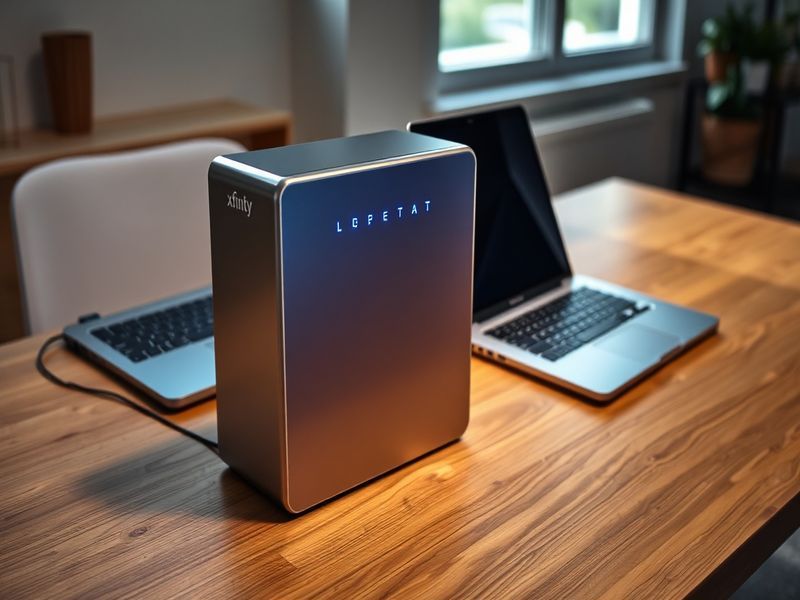
Comcast Xfinity Internet remains one of the most widely available broadband providers in the United States, serving millions of residential and business customers across 40 states. With a reputation for both extensive coverage and competitive pricing, Xfinity has positioned itself as a major player in the cable internet market. Yet, its performance and service quality often spark debate among consumers.
The provider offers a range of plans, from basic high-speed options for light users to gigabit-speed connections designed for heavy streaming, gaming, and remote work. Its network infrastructure, which leverages a hybrid fiber-coaxial (HFC) system, enables fast data transmission while maintaining broad accessibility. However, like any large ISP, Xfinity faces scrutiny over pricing changes, data caps, and customer service experiences.
Coverage and Availability
Xfinity Internet is available in 40 states, primarily in urban and suburban areas, with the densest coverage along the East Coast, Midwest, and parts of the South and West. According to the latest FCC broadband availability data, Xfinity serves over 36 million people, including nearly 18 million residential subscribers. Its network expansion continues, though rural availability remains limited compared to fiber-based providers like AT&T Fiber or Google Fiber.
In major cities such as Philadelphia, Chicago, and Seattle, Xfinity competes directly with local providers like RCN and local fiber networks. In less densely populated regions, Xfinity often operates as the sole high-speed option, giving it significant market dominance. This has led to ongoing discussions about the importance of infrastructure investment and the role of cable ISPs in bridging the digital divide.
For customers considering Xfinity, checking availability at their address is essential. The provider offers an online tool that provides real-time service details, including speed tiers and bundle options.
Plan Options and Speed Tiers
Xfinity’s internet plans are structured to appeal to a wide range of users, from casual browsers to power users. The entry-level plan, Xfinity Performance Starter, offers speeds up to 150 Mbps, suitable for streaming on a few devices simultaneously. At the higher end, the Xfinity Gigabit Extra plan delivers up to 1200 Mbps (1.2 Gbps), ideal for 4K streaming, online gaming, and large households with multiple connected devices.
The provider also offers prepaid and business-specific plans, with speeds ranging from 30 Mbps to 3 Gbps for commercial customers. One notable feature is the option to add Xfinity Mobile, which integrates cellular service with home internet for potential savings under the Xfinity X1 platform.
- Performance Starter: Up to 150 Mbps, suitable for light use
- Performance Pro: Up to 300 Mbps, good for families with moderate streaming needs
- Blast! Pro: Up to 600 Mbps, ideal for 4K streaming and multiple devices
- Gigabit Extra: Up to 1200 Mbps, best for power users and smart homes
- Gigabit Extra with 3 Gbps Option: For businesses and high-demand users
Pricing varies by region and promotion, with new customers often receiving discounted rates for the first 12 or 24 months. After the promotional period, standard rates apply, typically ranging from $40 to $100 per month depending on the plan and location.
Performance and Reliability
Xfinity’s performance is closely tied to its network architecture. The HFC system combines fiber-optic backbone with coaxial cables to deliver high-speed internet to homes. While this setup allows for widespread availability, it can also introduce signal degradation over long distances or in areas with outdated infrastructure.
In independent speed tests conducted by organizations like Ookla and PCMag, Xfinity’s plans generally deliver on their advertised speeds, though consistency varies by location. The provider’s gigabit tiers consistently hit or exceed 900 Mbps in optimal conditions, meeting the demands of high-bandwidth applications. However, peak usage times—especially in dense urban areas—can lead to slower speeds due to network congestion.
Reliability is another key consideration. Xfinity has invested in network upgrades, including the deployment of DOCSIS 3.1 technology, which improves data throughput and reduces latency. This has enhanced performance for activities like online gaming and video conferencing. Still, outages do occur, and customer reports indicate variability in response times from Xfinity’s technical support teams.
Customer Experience and Support
Customer satisfaction with Xfinity remains mixed. While the provider scores well in network performance and plan flexibility, it often receives lower marks for billing practices and customer service. Complaints frequently center on unexpected price increases after promotional periods, data caps on lower-tier plans, and challenges navigating the customer service system.
Xfinity offers multiple support channels, including 24/7 phone support, online chat, and in-person assistance through local service centers. However, many users report long wait times and difficulty reaching a resolution. The provider has introduced AI-powered chatbots and self-service tools to streamline issue resolution, but these tools are not always effective for complex problems.
For customers seeking alternatives, fiber-optic providers like Verizon Fios or Google Fiber offer superior speeds and more transparent pricing, though with limited availability. In regions without fiber competition, Xfinity often remains the best option despite its drawbacks.
For more insights into internet service providers and how Xfinity compares, visit our Technology category page for in-depth analysis and reviews.
Pricing and Bundling Opportunities
Xfinity’s pricing strategy includes bundling options that combine internet with TV, phone, and mobile services. These bundles can offer significant savings, especially for customers already using Xfinity Mobile or X1 TV services. For example, the Xfinity Double Play (Internet + TV) often costs less than purchasing each service separately.
However, customers should carefully review contract terms and auto-renewal policies. Introductory rates are typically locked in for 12 to 24 months, after which prices can increase sharply. Additionally, promotional offers may require customers to sign up for autopay and paperless billing to qualify.
For those interested in maximizing value, Xfinity’s bundles can be a smart choice, particularly for households needing multiple services. Still, it’s wise to compare total costs over the long term and consider whether bundling aligns with actual usage patterns.
Conclusion
Comcast Xfinity Internet remains a dominant force in the U.S. broadband market, offering extensive coverage, competitive speeds, and flexible plan options. Its hybrid fiber-coaxial network delivers reliable performance for most users, though speeds and reliability can vary by region and time of day.
While Xfinity’s bundles and promotional pricing provide attractive value, customers should be mindful of potential price hikes and service limitations. For those prioritizing speed and consistency, fiber alternatives may be preferable where available. However, in areas without fiber competition, Xfinity often represents the most practical choice for high-speed internet access.
As the demand for bandwidth continues to grow, Xfinity’s ongoing network upgrades will be critical in maintaining its position. Whether it can improve customer service and pricing transparency remains an open question. For now, Xfinity remains a solid option for many households, though it’s not without its trade-offs.
For more detailed reviews and comparisons of internet providers, explore our Technology reviews section on Dave’s Locker.