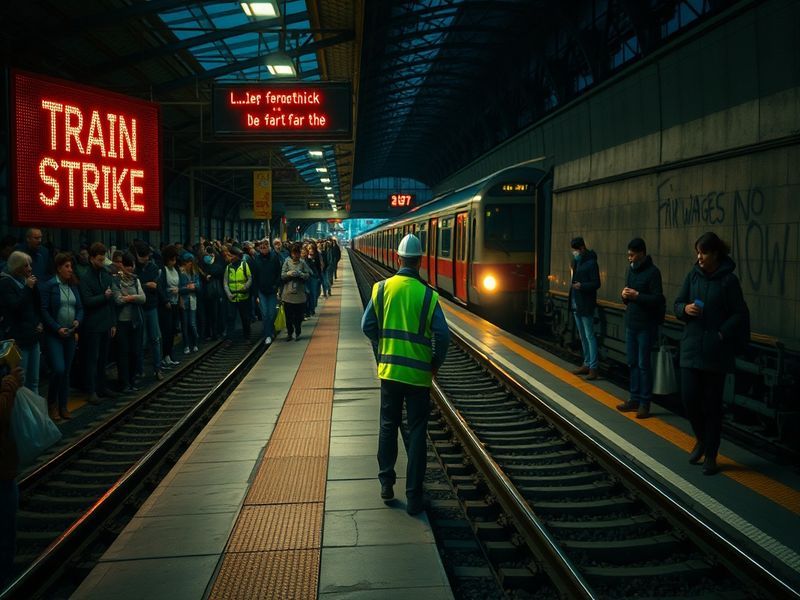
In recent years, train strikes have emerged as a recurring flashpoint in labor disputes across Europe, the Americas, and parts of Asia. These walkouts often bring urban and intercity transportation to a halt, leaving millions of commuters stranded and businesses scrambling to adapt. While the immediate effects are visible in delayed schedules and canceled services, the underlying causes run deeper, reflecting broader economic inequalities and shifting labor dynamics.
Governments and corporations frequently frame these strikes as disruptions to public order, yet they are also a symptom of systemic issues. Workers demand better wages, safer conditions, and job security in an era of automation and privatization. The tension between corporate profitability and labor rights has fueled these protests, making train strikes more than just logistical inconveniences—they are cultural and political statements.
The Economic Ripple Effect of Train Strikes
When train services halt, the economic impact extends far beyond delayed journeys. Local businesses, especially those dependent on foot traffic, suffer immediate losses. In major cities like Paris, London, and Berlin, small retailers and cafes report drops in revenue of up to 30% during prolonged strikes. The tourism sector also takes a hit, as visitors struggle to navigate altered transit routes.
The broader economy faces indirect consequences as well. Supply chains slow down, delaying deliveries of goods ranging from perishable food to industrial equipment. In 2023, a series of strikes on Germany’s Deutsche Bahn network cost the country an estimated €1.5 billion in lost productivity. These figures highlight how deeply interconnected modern economies are—and how vulnerable they become when a single sector grinds to a standstill.
For commuters, the financial strain is personal. Many rely on trains for daily travel to work, school, or medical appointments. When strikes force alternative arrangements—such as rental cars, ride-sharing, or temporary housing—the added costs can strain household budgets. In some cases, workers report losing wages due to missed shifts, exacerbating financial insecurity.
Labor Rights and the Fight for Fair Wages
At the heart of most train strikes lies a demand for fair compensation. Across Europe, rail workers have staged walkouts after years of stagnant wages, even as inflation erodes purchasing power. In France, for example, the national railway company SNCF has faced repeated strikes over pension reforms and wage freezes. Similar disputes have unfolded in the UK, where unions like the RMT (National Union of Rail, Maritime and Transport Workers) have called for pay increases to match rising living costs.
These labor actions are not isolated incidents but part of a larger trend in industries facing automation and privatization. As governments reduce funding for public transit, corporations prioritize shareholder returns over worker benefits. The result is a growing divide between executive compensation and employee wages—a divide that strikes aim to challenge.
In some countries, strikes have led to temporary resolutions, such as one-time bonuses or revised pension plans. However, these concessions often fall short of workers’ long-term demands. The cyclical nature of these disputes suggests that deeper structural changes are needed to address the root causes of labor unrest.
Key Demands from Rail Workers Across the Globe
- Wage increases: Adjustments to match inflation and rising living costs.
- Job security: Protection against layoffs due to automation or privatization.
- Safer working conditions: Improved staffing levels and equipment maintenance.
- Pension stability: Guaranteed retirement benefits without cuts.
- Union recognition: Legal protections for collective bargaining rights.
Cultural Shifts: How Strikes Reshape Public Perception
Beyond economics and labor rights, train strikes influence public attitudes toward work, authority, and collective action. In countries with strong labor traditions, such as Sweden and Belgium, strikes are often seen as a necessary tool for justice. Citizens may sympathize with workers’ grievances, even if they personally face disruptions. In other regions, however, strikes are met with frustration, particularly when alternative transportation options are limited.
The media plays a pivotal role in shaping these perceptions. Coverage often oscillates between portraying strikers as heroic defenders of workers’ rights or as selfish disruptors of public order. In France, for instance, rail strikes are frequently framed as a cultural struggle against neoliberal reforms. Meanwhile, in the United States, where rail unions are less centralized, strikes are sometimes dismissed as isolated incidents.
Social media amplifies these narratives, allowing strikers to bypass traditional news outlets and share their stories directly. Hashtags like #RailStrike and #FairWages have trended during major walkouts, fostering solidarity among workers and allies. This digital mobilization highlights how strikes are no longer just local events but part of a global conversation about labor rights.
The Role of Government and Corporate Responses
Governments typically respond to strikes with a mix of negotiation and coercion. Some administrations, like those in Norway and Switzerland, prioritize dialogue and compromise, leading to quicker resolutions. Others, such as in Spain and Italy, have deployed strike-breaking measures, including hiring temporary workers or enforcing minimum service requirements to keep trains running.
Corporations, too, have adapted their strategies. In an effort to reduce strike risks, some rail companies invest in automation to minimize human labor. While this may lower costs, it also fuels worker anxiety and resistance. Others turn to outsourcing, hiring contractors at lower wages—a move that often sparks further disputes.
Public opinion further complicates these dynamics. Politicians may hesitate to fully support either side, fearing backlash from voters or business leaders. The result is a delicate balancing act, where short-term fixes often fail to address the underlying issues driving labor unrest.
How Different Countries Address Train Strikes
- Switzerland: Strikes are rare due to strong labor laws and collaborative negotiations between unions and employers.
- United Kingdom: Frequent walkouts due to disputes over wages and job cuts, often resolved through government mediation.
- Japan: Strikes are legally restricted, but workers stage “work-to-rule” protests to slow operations without violating labor laws.
- United States: Limited rail strikes due to strict labor regulations, though freight rail disputes have led to congressional intervention.
- India: Frequent strikes over pay and working conditions, sometimes leading to violent clashes between workers and police.
Looking Ahead: Can Sustainable Solutions Be Found?
The future of train strikes hinges on whether governments and corporations are willing to address the root causes of labor disputes. For workers, the fight is about survival in an economy that often prioritizes efficiency over equity. For commuters and businesses, the challenge lies in adapting to a world where transit disruptions are becoming increasingly common.
One potential solution is greater investment in public transit infrastructure, which could ease financial pressures on rail companies and improve service quality. Another is stronger legal protections for workers, ensuring that their rights are not sacrificed in the name of corporate profits. Ultimately, the resolution of these strikes will depend on a willingness to rethink how labor and mobility intersect in the 21st century.
As automation and climate change reshape the transportation sector, the lessons from these strikes extend beyond the rails. They offer a glimpse into the broader struggle for dignity and fairness in an evolving economy. For now, the tracks remain a battleground—one where the stakes are as high for society as they are for the workers who keep it moving.