Few names carry as much weight in British pub culture as Greene King. For over two centuries, the company has woven itself into the fabric of local communities, shaping how generations socialize, dine, and unwind. What began as a modest brewery in 1799 has evolved into one of the UK’s most recognizable pub operators, with a portfolio spanning historic alehouses, contemporary gastropubs, and sprawling sports bars.
But Greene King is more than just a business—it’s a custodian of tradition, a disruptor of industry norms, and a case study in adaptation. From its Suffolk roots to its current standing as a FTSE 250-listed company, Greene King’s journey offers lessons in heritage, innovation, and resilience. Here’s a closer look at what makes this pub empire endure.
The Foundations of Greene King: Brewing History in Suffolk
Greene King traces its origins to 1799, when Benjamin Greene established a brewery in Bury St Edmunds, Suffolk. The early years were modest, but Greene’s vision was clear: to create high-quality beer that would serve the local population. By the mid-19th century, the company had expanded under the leadership of Edward Greene and Frederick King, whose partnership in 1887 gave the brewery its current name.
The brewery’s success was built on innovation. In 1809, Greene introduced the first pale ale brewed in East Anglia, a style that would become a cornerstone of British beer culture. Over time, the company perfected its brewing techniques, producing iconic beers like Abbot Ale, launched in 1955, which remains a staple in its range today. This commitment to quality helped Greene King survive economic downturns and changing consumer tastes.
By the 20th century, Greene King had cemented its place in British brewing history. It became one of the first breweries to invest in modern brewing technology while retaining traditional methods. This balance of old and new allowed the company to thrive even as smaller, independent breweries struggled to compete.
The Pub Portfolio: From Traditional to Modern Spaces
Greene King’s pubs are as diverse as the communities they serve. The company operates over 2,700 venues across the UK and Ireland, each tailored to its location and clientele. Its portfolio includes several well-known brands:
- Greene King Inn: Traditional pubs offering a classic British experience, often with a focus on local ales and hearty food.
- Chiltern Firehouse: A luxury dining destination in London, known for its opulent decor and celebrity clientele.
- Hungry Horse: A family-friendly chain specializing in budget-friendly meals and a relaxed atmosphere.
- Farmers Boy: A pub brand that emphasizes locally sourced ingredients and seasonal menus.
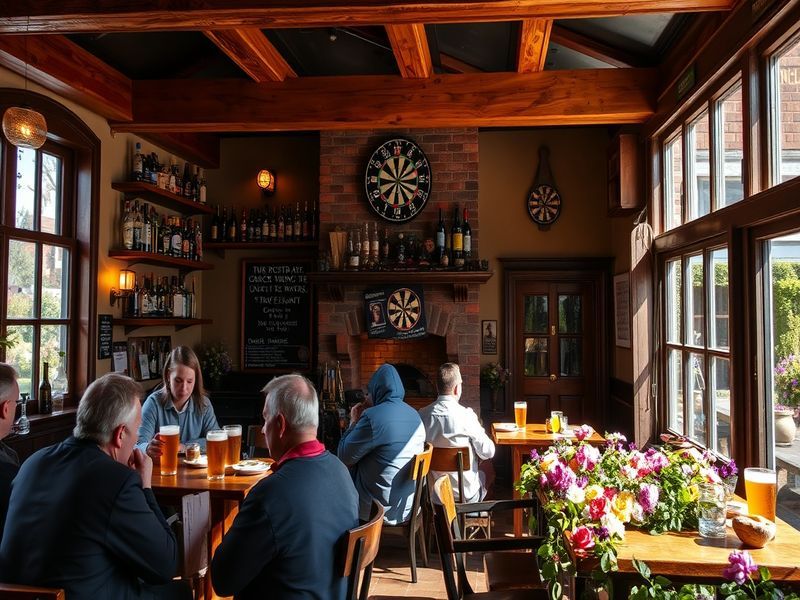
What sets Greene King apart is its ability to cater to different demographics without losing its core identity. In rural areas, its pubs often serve as community hubs, hosting quiz nights, live music, and local events. In urban centers, Greene King has embraced the gastropub trend, transforming some locations into high-end dining experiences. This adaptability has been key to its longevity.
One standout example is The Olde Bell in Hurley, Berkshire, one of the oldest pubs in England. Greene King acquired the 12th-century inn in 2010 and restored it to its former glory while preserving its historic charm. Such efforts highlight the company’s commitment to heritage, even as it expands its modern offerings.
Brewing Innovation: Balancing Tradition and Trends
While Greene King is best known for its pubs, its brewing arm remains a critical part of its identity. The company produces over 200 million pints annually, including some of the UK’s most beloved beers. However, staying relevant in a competitive market requires constant innovation.
In recent years, Greene King has introduced craft-style beers under the Greene King Craft Collection, appealing to younger drinkers who crave variety and experimentation. This line includes IPAs, stouts, and sours, reflecting the growing demand for bold flavors. The company has also invested in sustainability, reducing its carbon footprint by 30% since 2015 and aiming for net-zero emissions by 2040.
Another area of growth is alcohol-free beer. Recognizing the shift toward healthier lifestyles, Greene King launched Abbot Zero, an alcohol-free version of its classic Abbot Ale. This move aligns with broader industry trends, as more consumers opt for non-alcoholic options without sacrificing taste.
Despite these innovations, Greene King has not abandoned its traditional ales. In 2022, it reintroduced Strong Suffolk, a historic beer style that dates back to the 18th century. This commitment to heritage ensures that long-time fans continue to find familiar favorites on the menu.
The Challenges and Controversies: Navigating Modern Pressures
Greene King’s success has not been without its challenges. The COVID-19 pandemic hit the hospitality sector hard, forcing the temporary closure of many pubs and accelerating the shift toward takeaway and delivery services. Greene King reported a £220 million loss in 2020, a stark contrast to its pre-pandemic profitability.
Recovery has been slow but steady. The company reopened most of its pubs in 2021, though some struggled to regain their footing. Rising costs, including energy bills and staff shortages, have added pressure, prompting Greene King to raise prices and streamline operations. In 2023, it announced plans to close 76 pubs, citing financial difficulties and changing consumer habits.
Controversy has also played a role in Greene King’s recent history. In 2020, the company faced backlash for its decision to close pubs indefinitely due to the pandemic, leaving many staff on furlough without severance. While Greene King later offered redundancy packages, the incident raised questions about corporate responsibility and loyalty to employees.
Despite these setbacks, Greene King has shown resilience. It has diversified its revenue streams by expanding into hotels, such as the Devonshire Hotel in Harrogate, and investing in its food offerings. The company’s ability to adapt—whether through digital ordering systems or loyalty programs like Greene King Rewards—has helped it weather the storm.
Looking Ahead: What’s Next for Greene King?
Greene King’s future hinges on its ability to balance tradition with innovation. The pub industry is evolving, with younger generations prioritizing experiences over ownership and seeking out venues that offer more than just drinks. Greene King is responding by enhancing its food menus, introducing entertainment options like live sports and gaming areas, and even exploring hybrid pub-concept stores.
One area of potential growth is sustainability. As consumers become more eco-conscious, Greene King’s efforts to reduce waste and source locally will become increasingly important. The company’s 2040 net-zero target is ambitious, but it aligns with broader industry goals and could attract environmentally aware patrons.
Another opportunity lies in international expansion. While Greene King’s primary market is the UK, it has tested the waters in the US and Europe with limited success. Given the global popularity of British pub culture, there may be room for growth abroad, particularly in cities with large expat communities.
Ultimately, Greene King’s greatest strength is its deep connection to British culture. Pubs are more than just places to drink—they’re social institutions, landmarks, and repositories of local history. By nurturing these relationships, Greene King can continue to thrive, even in an uncertain landscape.
For those who remember the first pint poured from a Greene King barrel in 1799, the company’s legacy is undeniable. For younger drinkers discovering its beers for the first time, Greene King represents a link to the past and a promise of what’s to come. As the pub industry navigates the 21st century, one thing is clear: Greene King isn’t just surviving—it’s evolving.
Discover more about the history of British pubs and their cultural impact on Dave’s Locker.