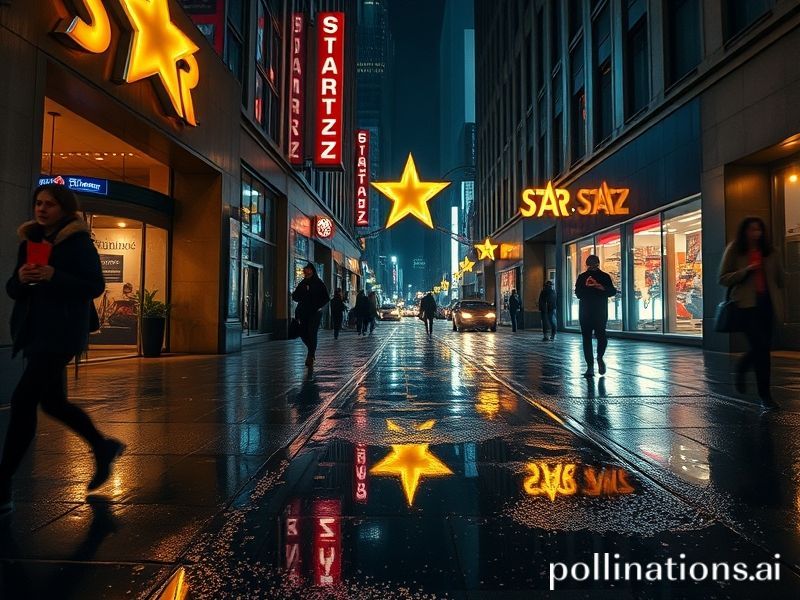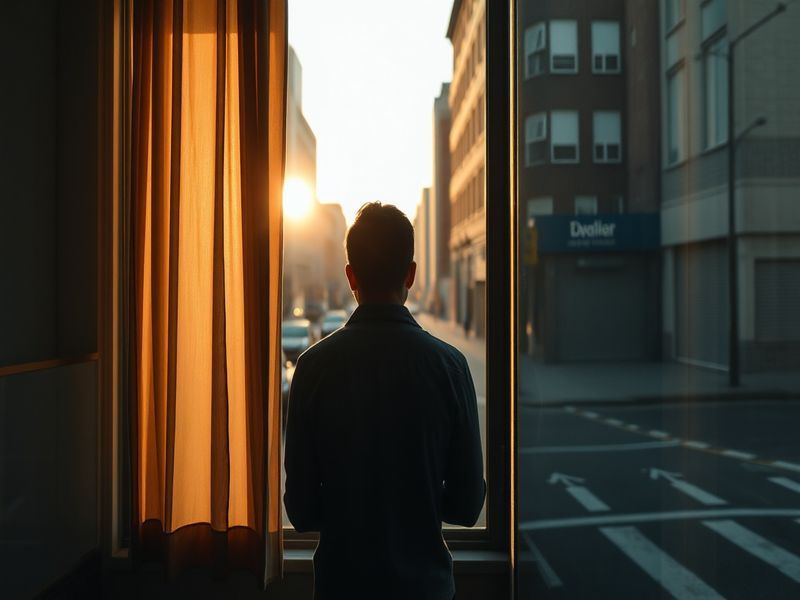
In March 2020, governments worldwide implemented lockdowns as a primary response to the COVID-19 pandemic. These measures, though necessary for public health, dramatically altered daily life, reshaping economies, social interactions, and cultural expressions. Lockdowns were not merely health policies; they became a global experiment in isolation, adaptation, and resilience.
The Immediate Impact on Daily Life
Cities emptied as people retreated into their homes. Streets that once hummed with activity fell silent. Public transportation saw ridership plummet by as much as 90% in some metropolitan areas. Offices transitioned to remote work almost overnight, forcing families to reconfigure living spaces into makeshift workstations. Grocery stores became battlegrounds for toilet paper and hand sanitizer, while restaurants pivoted to takeout-only models to survive.
The psychological toll was immediate. Studies from the early months of lockdowns revealed sharp increases in anxiety and depression, particularly among young adults and essential workers. A health survey conducted in April 2020 by the Kaiser Family Foundation found that 45% of U.S. adults reported negative mental health impacts due to worry or stress over the virus. The lack of physical interaction, combined with uncertainty about the future, created a perfect storm for mental strain.
Children faced their own challenges. Schools closed, and education moved online, exposing deep inequalities in access to technology and stable learning environments. Students in low-income households struggled with unreliable internet connections and shared devices, widening the achievement gap. Parents grappled with balancing work and childcare, often while juggling their own professional pressures.
Cultural Shifts During Isolation
The lockdown era accelerated trends that were already underway but forced others to emerge from the fringes. One of the most visible changes was the explosion of digital culture. Streaming services reported record subscriber growth, with Netflix adding 16 million new users in the first three months of 2020. The demand for content was insatiable, leading platforms to invest heavily in original productions and international collaborations.
Live music and theater suffered immensely, but artists adapted. Musicians hosted virtual concerts from living rooms and empty stages, while theaters streamed archival performances. The Berlin Philharmonic, for example, opened its digital concert hall for free, drawing millions of viewers. These adaptations preserved some semblance of cultural engagement but also highlighted the irreplaceable value of shared physical experiences.
Cooking and baking became popular pastimes, as people sought comfort in homemade meals and sourdough starters. Social media platforms like Instagram and TikTok thrived on food trends, from whipped coffee to homemade pasta. The pandemic turned kitchens into the new living rooms, where families and roommates gathered to cook, eat, and share meals—rituals that became acts of rebellion against isolation.
Fashion, too, underwent a transformation. With no need for office attire or social outfits, comfort reigned supreme. Sweatpants, hoodies, and loungewear became the unofficial uniform of lockdown life. Brands like Lululemon and Athleta saw surges in sales, while luxury fashion houses pivoted to selling face masks and loungewear. The shift underscored a broader cultural movement toward prioritizing comfort and practicality over traditional fashion norms.
The Economic Aftermath: Winners and Losers
The economic impact of lockdowns was uneven, creating stark disparities between industries and communities. Sectors like travel, hospitality, and brick-and-mortar retail bore the brunt of the downturn. Airlines grounded flights, hotels shuttered, and small businesses struggled to stay afloat. Governments scrambled to provide financial relief, but the aid often arrived too late for many who had already faced eviction or bankruptcy.
Conversely, some industries thrived. Tech giants like Amazon and Zoom saw their stock prices soar as demand for e-commerce and remote work tools skyrocketed. Grocery delivery services like Instacart and Ocado experienced unprecedented growth, while telehealth platforms became essential for non-emergency medical care. The pandemic accelerated the digital transformation of the economy, leaving some workers more vulnerable while creating opportunities for others.
Agriculture and food production faced unique challenges. Supply chains, already strained by global trade tensions, struggled to adapt to sudden shifts in demand. Farmers in some regions dumped milk and plowed under crops due to disrupted distribution channels, while others pivoted to direct-to-consumer models like farm-to-table deliveries. The crisis exposed fragilities in food systems but also spurred innovation in local and sustainable agriculture.
The economic fallout also highlighted racial and socioeconomic inequalities. Workers of color, who were overrepresented in low-wage and essential jobs, faced higher infection rates and job losses. Women, particularly those in caregiving roles, were disproportionately affected by career setbacks. The pandemic underscored how economic resilience is often tied to privilege, with marginalized communities bearing the heaviest burdens.
Global Responses and Lessons Learned
Countries responded to lockdowns with varying degrees of success, shaped by political leadership, public trust in institutions, and pre-existing healthcare infrastructure. New Zealand, led by Prime Minister Jacinda Ardern, implemented early and strict lockdown measures, effectively eliminating community transmission. The country’s swift action allowed it to reopen society relatively quickly, serving as a model for other nations.
In contrast, countries like the United States and Brazil faced fragmented responses, with inconsistent messaging and delayed action exacerbating the crisis. Political divisions often overshadowed public health guidance, leading to prolonged outbreaks and higher death tolls. The stark differences in outcomes underscored the role of governance in crisis management.
Vaccine development became a global race, with scientists working at unprecedented speeds to create solutions. Operation Warp Speed in the U.S. and collaborations like the Oxford-AstraZeneca partnership in Europe demonstrated the power of international cooperation. Yet, the distribution of vaccines also revealed global inequities, with wealthier nations securing early access while poorer countries lagged behind.
The lockdown era taught several critical lessons. First, preparedness matters. Countries with robust public health systems and pandemic response plans fared better than those without. Second, communication is key. Clear, consistent messaging from trusted sources helped mitigate misinformation and fostered public compliance. Finally, flexibility and adaptability are essential. Societies that embraced innovation and adjusted policies in real-time were better equipped to weather the storm.
As lockdowns lifted and societies began to reopen, the question remained: What would the world look like post-pandemic? Would remote work become the norm? Would cities reprioritize public health infrastructure? Would global cooperation endure, or would nationalism resurface? The answers were as varied as the experiences of lockdown itself.
Key Takeaways from the Lockdown Era
- Healthcare Systems: Exposed vulnerabilities but also spurred innovation, such as telehealth and rapid vaccine development.
- Economic Disparities: Widened gaps between industries, with tech and essential services thriving while others collapsed.
- Digital Transformation: Accelerated trends in remote work, e-commerce, and virtual entertainment.
- Social Inequality: Highlighted racial and socioeconomic disparities in access to resources and safety.
- Global Cooperation: Demonstrated both the potential and limitations of international collaboration in crises.
The lockdown was more than a pause in normal life; it was a catalyst for change. It forced societies to confront long-standing issues, from healthcare inequities to digital divides, while also revealing humanity’s capacity for resilience and adaptation. As the world moved forward, the lessons of lockdown would shape policies, economies, and cultures for years to come.