Global Eye Drop Recall Exposes Flaws in Pharmaceutical Safety
Global Eye Drop Recall Reveals Growing Concerns Over Manufacturing Standards
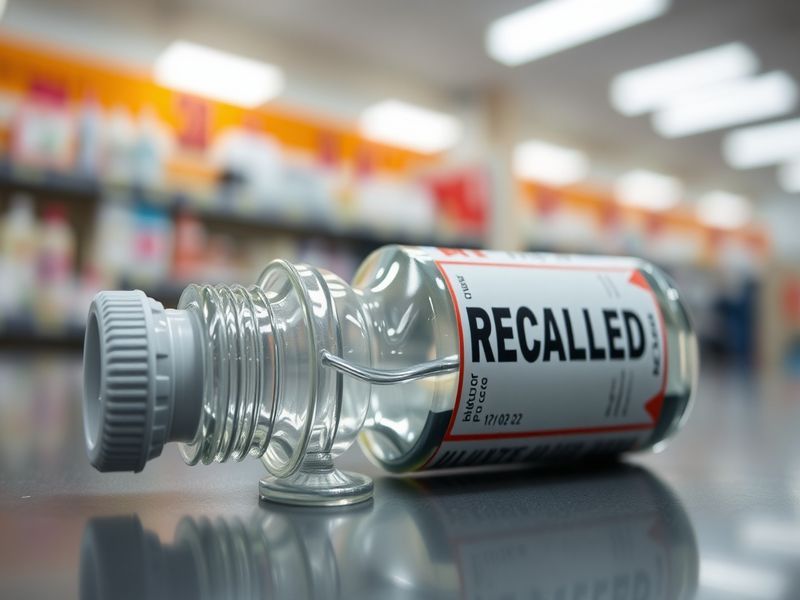
The recent recall of several over-the-counter eye drop brands has sent ripples through global health communities. Authorities in the United States, Canada, India, and Singapore have either issued recalls or are investigating products linked to a rare but serious bacterial infection. The affected eye drops, primarily artificial tear solutions, have raised alarms about manufacturing practices, supply chain transparency, and the adequacy of post-market surveillance in the pharmaceutical industry.
This incident is not isolated. It reflects a broader trend where seemingly safe consumer health products have been compromised by contamination or substandard production. The eye drop recall underscores a critical question: How secure are the everyday health products we trust?
How the Recall Unfolded: A Timeline of Events
The first public alert came from the U.S. Food and Drug Administration (FDA) on March 1, 2023. The agency announced a voluntary recall of multiple eye drop products manufactured by Global Pharma Healthcare Private Ltd., based in India. These included health products sold under various store brands and online retailers. The FDA cited concerns over potential contamination with Pseudomonas aeruginosa, a bacterium known to cause severe eye infections and, in rare cases, lead to vision loss.
Within days, Health Canada followed suit, issuing a recall for the same products. Meanwhile, Singapore’s Health Sciences Authority (HSA) announced it was investigating the issue. In India, the Central Drugs Standard Control Organization (CDSCO) began audits of Global Pharma’s manufacturing facilities. By mid-March, the recall had expanded to include additional batches and brands, revealing a pattern of lapses in quality control.
To date, the FDA has reported 68 cases of eye infections, including some with confirmed Pseudomonas contamination, across 16 U.S. states. While no deaths have been reported, several patients required hospitalization. The global response—spanning three continents—highlights the interconnected nature of today’s pharmaceutical supply chains and the shared risks consumers face.
Why This Recall Matters Beyond Eye Health
The eye drop recall is not just about vision care. It reveals systemic vulnerabilities in the global pharmaceutical industry. Many of the recalled products were private-label brands, meaning they were manufactured by third parties and sold under different retailer names. This practice, while common, complicates traceability and accountability when issues arise.
Several key factors contribute to the scope of this problem:
- Outsourced Manufacturing: Many eye drops and generic medications are produced overseas, often in countries with varying regulatory oversight. This can lead to inconsistent quality standards.
- Weakened Supply Chain Oversight: Even when recalls are initiated, the global supply chain often lacks real-time monitoring. Products may remain on shelves or in warehouses long after contamination is detected.
- Regulatory Fragmentation: Different countries have different thresholds for recalls and reporting. What qualifies as a “voluntary recall” in one nation may be mandatory in another, creating confusion for consumers and retailers alike.
- Consumer Trust Erosion: Repeated incidents—from contaminated cough syrups to defective medical devices—have made the public more skeptical of product safety claims.
In India, where many of the recalled eye drops originated, the incident has sparked debate about the country’s role as a global pharmaceutical hub. While India produces roughly 20% of the world’s generic medicines, concerns persist about weak enforcement of Good Manufacturing Practices (GMP). The World Health Organization (WHO) has previously flagged several Indian facilities for substandard conditions, emphasizing the need for stricter compliance.
Meanwhile, in the United States and Canada, consumer advocates are calling for stronger post-market surveillance. Current systems often rely on voluntary reporting by manufacturers and healthcare providers. Critics argue that this approach is insufficient in detecting contamination early enough to prevent harm.
Cultural and Economic Impact: A Global Ripple Effect
The recall has had an outsized impact in regions where eye drops are widely used for chronic conditions such as dry eye syndrome and allergies. In Japan, where eye drops are a staple in most households, pharmacies reported temporary shortages and a surge in demand for alternative brands. Retailers in Europe noted similar trends, with consumers switching to preservative-free or sterile versions marketed as “safer” alternatives.
Economically, the recall has affected multiple stakeholders. Small pharmacies, already struggling in the wake of the COVID-19 pandemic, faced financial strain due to unsellable inventory. Large retailers like Walmart and CVS issued refunds and removed affected products from shelves, absorbing losses while restoring consumer confidence. For manufacturers, especially those in emerging markets, the recall has triggered audits, legal liabilities, and reputational damage that may take years to recover from.
Culturally, the incident has fueled conversations about self-medication and the over-reliance on over-the-counter solutions. In countries like India and Nigeria, where access to ophthalmologists is limited, many consumers treat eye drops as a routine purchase. The recall has prompted public health campaigns urging people to consult doctors before prolonged use of any eye medication.
It has also reignited debates about the ethics of pharmaceutical marketing. Many recalled eye drops were aggressively advertised as “natural,” “preservative-free,” or “clinically proven,” despite lacking rigorous independent testing. This trend reflects a broader cultural shift toward “wellness” products that promise health benefits without the same scrutiny as prescription drugs.
What’s Next: Steps Toward Safer Products
In response to the crisis, regulators are taking action. The FDA has increased inspections of foreign manufacturing plants and is exploring the use of blockchain technology to track product batches from factory to pharmacy. In India, the government has fast-tracked inspections and announced plans to digitize drug approval records, aiming for greater transparency.
Several industry leaders are also advocating for change. The International Council of Ophthalmology has called for a unified global registry of adverse events related to eye drops. Meanwhile, consumer advocacy groups are pushing for clearer labeling, including visible warnings about contamination risks and batch numbers that can be easily traced.
For consumers, the recall serves as a reminder to be vigilant. Experts recommend the following precautions:
- Check the batch number and expiration date before purchasing eye drops.
- Look for products manufactured in countries with strong regulatory oversight, such as the U.S., Canada, or the European Union.
- Consult a healthcare provider if using eye drops for more than a few weeks, especially for chronic conditions.
- Report any adverse reactions to local health authorities.
The eye drop recall is more than a health alert—it’s a call to action. It exposes the fragility of global supply chains and the need for stronger, more coordinated oversight. While no system is foolproof, transparency, accountability, and consumer education remain our best defenses against preventable harm.
Conclusion
As the world becomes more interconnected, the risks of contamination and substandard products grow. The eye drop recall of 2023 is a stark reminder that even the most routine health products can pose serious risks when quality controls fail. It challenges us to demand better from manufacturers, regulators, and ourselves. Only through collective vigilance can we ensure that safety is not a luxury—but a guarantee.