There’s something undeniably magnetic about spring. It arrives not with fanfare, but with quiet insistence—a shift in the air, a softening of edges, the first tentative green shoots pushing through thawing earth. This season, more than any other, carries the weight of expectation. It’s a time when nature’s rhythms align with human longing for renewal, making it feel less like a calendar event and more like an opportunity.
The allure of spring isn’t just poetic whimsy. Psychologists note that the increase in daylight triggers serotonin production, while the burst of color and activity in the natural world subtly signals our brains to reset. It’s as if the world itself is conspiring to help us leave winter’s heaviness behind. Yet spring’s magic extends beyond biology. Culturally, it’s been mythologized as a season of rebirth, a theme that resonates across religions, literature, and art. From ancient fertility festivals to modern spring cleaning rituals, humanity has long marked this time as ripe for transformation.
The Science Behind Spring’s Renewing Power
The seasonal shift affects more than just our moods. Research in chronobiology reveals that our bodies operate on internal clocks synchronized with daylight cycles. When spring arrives, these clocks reset, often leading to improved sleep patterns and increased energy. The phenomenon isn’t limited to humans—studies show that animals, from birds to bears, exhibit marked behavioral changes during spring migration and mating seasons.
Environmental factors play a crucial role in this transformation. As temperatures rise and precipitation patterns shift, ecosystems undergo rapid changes. Trees bud before insects emerge to pollinate them, creating a delicate but highly efficient food chain. This synchronization—known as phenological synchrony—has fascinated scientists for decades. When these cycles fall out of sync due to climate change, the consequences ripple through entire food webs.
Spring also brings unique atmospheric conditions. The jet stream’s northward movement creates more stable weather patterns in many regions, allowing for longer periods of sunshine. This stability, combined with the psychological lift of seeing familiar landscapes transform, creates a compounding effect on human well-being. It’s no wonder many cultures celebrate spring equinox festivals—these gatherings often coincide with moments of astronomical precision when day and night are nearly equal.
Cultural Rituals That Celebrate Spring’s Arrival
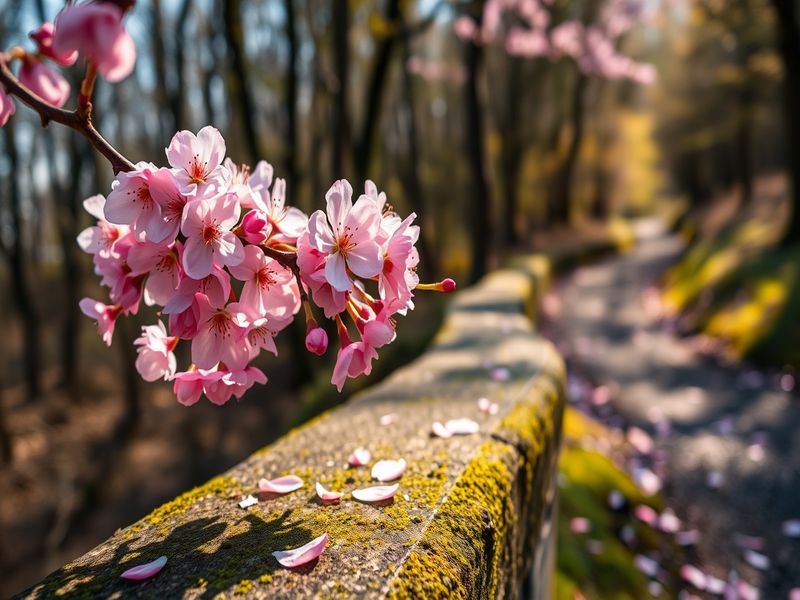
Across civilizations, spring has been a canvas for human expression. The traditions vary widely, but they share a common thread: spring as a metaphor for life overcoming stagnation. In Japan, hanami (cherry blossom viewing) transforms parks into temporary galleries of ephemeral beauty. Each year, millions gather to witness the fleeting pink blooms, a practice that dates back to the Nara period (710–794 AD). The Japanese concept of mono no aware—the pathos of things—captures the bittersweet awareness that these blossoms, like all life, will soon fade.
In Western cultures, spring cleaning emerged from practical necessity before becoming a symbolic act. Historically, homes were sealed tight during winter to conserve heat, trapping dust and pests. When warmer weather arrived, families would open windows, scrub surfaces, and air out linens—a literal purging of winter’s remnants. Today, this ritual persists, though its form has evolved. Modern decluttering movements like Marie Kondo’s KonMari method frame spring cleaning as a spiritual exercise in letting go of what no longer serves us.
Religious observances also mark the season. Persian New Year, Nowruz, celebrates spring equinox with elaborate table settings symbolizing rebirth. Similarly, Passover in Judaism commemorates liberation during the spring planting season. Even secular holidays like Easter incorporate spring imagery—eggs representing potential, rabbits embodying fertility—to tap into these ancient associations.
Spring in Art and Literature
Artists have long used spring as a vehicle for exploring themes of hope and impermanence. Vincent van Gogh’s Almond Blossom series captures the delicate promise of new life, painted during a period of personal renewal for the artist. Meanwhile, haiku masters like Bashō composed verses that distilled spring’s essence into mere syllables, such as:
On the white sand
of the beach of a small isle
in the Eastern Sea,
petals fall—
their color never seen
before they fade.
Literature abounds with spring metaphors. F. Scott Fitzgerald’s The Great Gatsby opens with Nick Carraway’s arrival in West Egg during spring, a season that mirrors the novel’s themes of renewal and disillusionment. Even Shakespeare’s comedies often unfold in spring settings, where mistaken identities and romantic entanglements flourish amid blooming landscapes.
Practical Ways to Harness Spring’s Energy
While spring’s effects are often subtle, there are tangible ways to align with its rhythms. For those feeling sluggish after winter, the season offers built-in motivation to rejuvenate. Gardens become living laboratories—planting seeds teaches patience and yields tangible rewards. Even apartment dwellers can participate by forcing bulbs like paperwhites or amaryllis into bloom indoors.
For urbanites, spring provides an excuse to reconnect with nature. City parks burst into color, offering free art exhibits that require no admission fee. Many municipalities host spring festivals featuring local artisans, musicians, and food vendors. These events aren’t just entertainment; they’re modern incarnations of ancient communal rituals.
Professionally, spring can be an ideal time for strategic planning. The renewed energy in the air often translates to increased productivity. Consider these approaches to capitalize on the season’s momentum:
- Reset routines: Align new habits with the longer daylight hours. Exercise outdoors, or open windows during work hours to refresh your environment.
- Declutter strategically: Apply the Japanese principle of dan-sha-ri (refuse, dispose, separate) to both physical spaces and digital files.
- Embrace seasonal eating: Incorporate locally grown asparagus, peas, and strawberries into meals. These foods are at peak freshness and require less energy to transport.
- Plan adventures: Research shows that anticipating future experiences boosts happiness more than material purchases. Use spring’s exploratory energy to research trips or local attractions.
- Document change: Keep a nature journal or take weekly photos in the same location. Observing incremental changes can be surprisingly meditative.
For businesses, spring presents unique opportunities. Retailers see upticks in clothing sales as people refresh their wardrobes. Fitness centers experience enrollment spikes as gym-goers emerge from winter hibernation. Even tech companies report increased engagement with productivity apps during this period. The key is to frame offerings around renewal rather than mere seasonality.
A Season That Demands Participation
Spring’s magic lies in its balance—it offers renewal without requiring perfection. Unlike resolutions made in January, which often feel like obligations, spring’s opportunities come wrapped in sensory delight. The scent of rain on warming earth, the sound of birds reclaiming territories, the sight of neighbors emerging from hibernation—these are invitations, not mandates.
Yet this season also carries a subtle responsibility. As climate change disrupts traditional seasonal patterns, our relationship with spring is evolving. Warmer winters in some regions mean earlier blooms, which can confuse pollinators and leave ecosystems vulnerable. Gardeners now consult phenology charts alongside weather forecasts, adapting planting schedules to shifting conditions. In this context, spring becomes a reminder of our interconnectedness with the natural world.
Perhaps the healthiest way to engage with spring is to adopt its principles: adaptability, patience, and curiosity. Watch how plants emerge through cracks in pavement, or how birds navigate wind shifts. Notice how your own energy levels fluctuate with the temperature swings. Spring doesn’t demand grand gestures—it rewards quiet observation.
As the season progresses and summer’s intensity approaches, these small moments of connection become precious. They’re the threads that weave together to create a sense of belonging in an often fragmented world. Whether through planting a single herb on a windowsill or joining a community garden, spring offers a chance to participate in the eternal cycle of renewal.
For those seeking further inspiration on seasonal living or community activities, explore Culture for local event coverage or Travel for seasonal destination guides.