The Transportation Security Administration (TSA) has been steadily modernizing its screening processes, with touchless ID verification emerging as one of the most significant upgrades in recent years. This shift away from physical document handling aims to reduce contact points, improve efficiency, and enhance security at U.S. airports. As travelers grow accustomed to contactless interactions in retail and banking, the TSA’s adaptation reflects broader trends in public safety and digital identity verification.
How Touchless ID Verification Works
The TSA’s touchless ID system primarily relies on two technologies: mobile driver’s licenses (mDLs) and biometric verification. Travelers can present a digital version of their ID on their smartphones, which is then scanned by a TSA agent using a dedicated reader. The system cross-references the digital ID with the traveler’s boarding pass and flight details to confirm identity without physical contact.
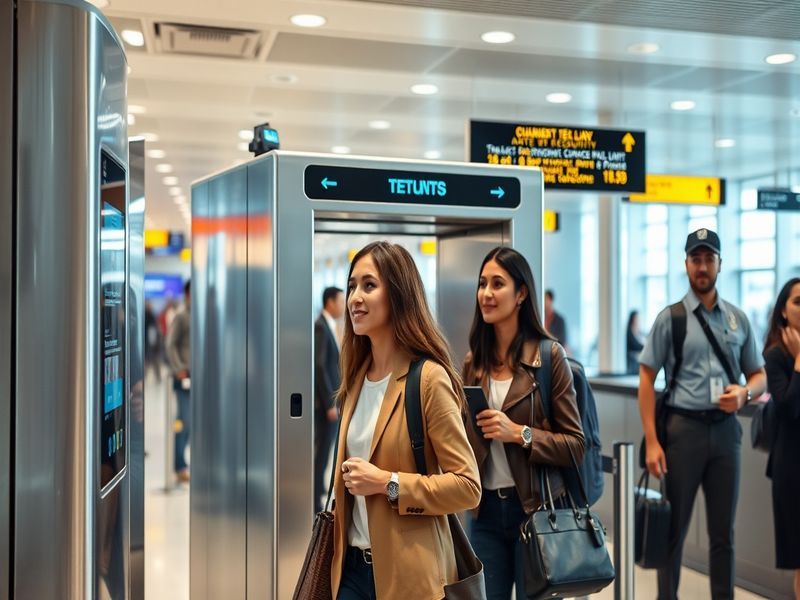
Biometric verification adds another layer of security. Some airports now use facial recognition technology to match the traveler’s live image with the photo stored in their digital ID or passport. This process occurs in seconds, reducing wait times and minimizing human error in manual checks. The TSA has tested these systems in select airports, including Las Vegas McCarran International (now Harry Reid International) and Phoenix Sky Harbor, with plans to expand to more locations.
For travelers without a smartphone or digital ID, the TSA continues to accept physical IDs. However, the agency encourages the adoption of touchless options to streamline the screening process. The shift is part of a broader initiative to modernize airport security, which has lagged behind other industries in digital adoption.
Benefits for Travelers and the TSA
The advantages of touchless ID verification extend beyond convenience. For travelers, the primary benefit is reduced physical interaction, which aligns with ongoing health and hygiene concerns post-pandemic. Long security lines often cause stress, and touchless systems can significantly cut down processing times. In a 2023 pilot program, Phoenix Sky Harbor reported a 30% reduction in wait times at security checkpoints where biometric and digital ID systems were tested.
The TSA also benefits from these advancements. Digital IDs are harder to forge than physical ones, reducing the risk of identity fraud. Biometric verification further enhances security by ensuring the person presenting the ID is the rightful owner. Additionally, the agency can redeploy agents from manual ID checks to other critical roles, such as monitoring screening equipment or responding to anomalies.
Environmental sustainability is another unexpected benefit. Fewer physical IDs and boarding passes mean less paper waste, aligning with the TSA’s broader environmental goals. While the impact may seem small, it contributes to the agency’s efforts to reduce its carbon footprint.
- Faster processing times: Digital IDs and biometrics reduce manual checks, speeding up the security line.
- Enhanced security: Digital IDs are harder to counterfeit, and biometrics ensure the right person is traveling.
- Improved hygiene: Reduced physical contact lowers the risk of spreading germs, a lingering concern post-pandemic.
- Environmental impact: Fewer physical documents mean less waste and a smaller carbon footprint.
Challenges and Limitations
Despite its promise, touchless ID verification faces hurdles. One major challenge is the uneven adoption of digital IDs across states. Only a handful of states—including Arizona, Colorado, and Maryland—currently offer mobile driver’s licenses that meet the TSA’s technical standards. Travelers from states without mDL programs must rely on physical IDs or alternative digital documents, creating inconsistencies in the system.
Privacy concerns also loom large. While biometric data is encrypted and stored securely, some travelers worry about how this information is used and shared. The TSA assures that facial recognition data is not stored or used for purposes beyond identity verification, but skepticism remains. The agency has faced scrutiny in the past over data collection practices, making transparency a critical issue for public trust.
Technical glitches and compatibility issues further complicate adoption. Not all smartphones support digital ID storage, and older devices may struggle to run the necessary apps. Additionally, the TSA’s screening equipment must be updated to read digital IDs, which requires significant investment. While the agency has allocated funds for these upgrades, the process is gradual, leaving some travelers without access to touchless options for years to come.
What’s Next for Touchless ID and TSA Screening?
The TSA’s roadmap for touchless ID verification includes expanding biometric screening to all 400+ airports nationwide by 2025. The agency is also exploring the use of blockchain technology to secure digital IDs, ensuring they cannot be altered or duplicated. These advancements could make physical IDs obsolete for air travel in the near future.
For travelers, staying informed about their state’s digital ID policies is essential. Those in states with mDL programs should download the official app and test it before their next trip. Meanwhile, the TSA continues to educate the public about the benefits and safety of touchless verification through informational campaigns and partnerships with airlines.
As the program evolves, the TSA is likely to integrate more advanced technologies, such as artificial intelligence, to further refine the screening process. AI could help detect anomalies in digital IDs or flag potential security threats in real time. However, the agency must balance innovation with privacy protections to maintain public confidence.
For now, travelers can expect a hybrid approach—physical and digital IDs coexisting while the TSA phases in touchless verification. The transition may be slow, but the long-term benefits for efficiency, security, and user experience are undeniable.
Resources for Travelers
To learn more about digital IDs and TSA security procedures, visit the Travel section on Dave’s Locker. For updates on biometric screening programs, check the Technology category.