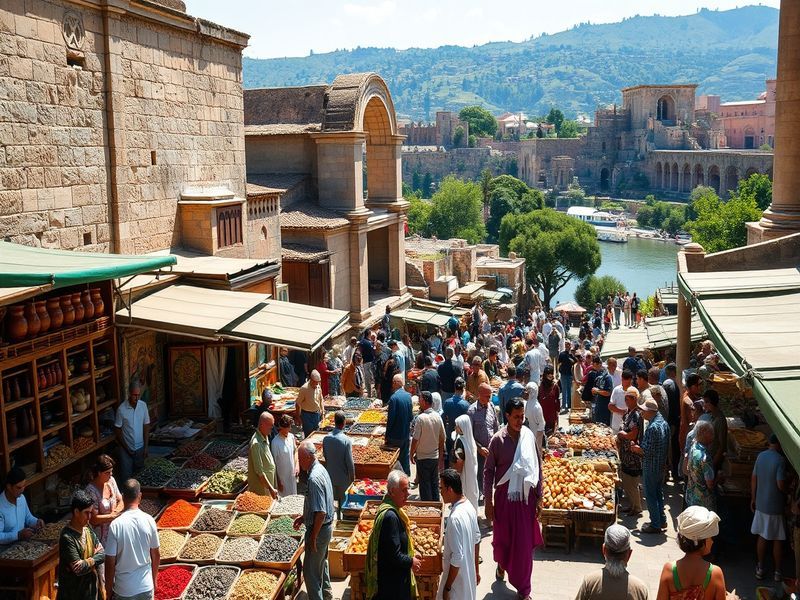
Exploring Antioch: A Historical and Cultural Overview
Antioch, one of the ancient cities of the Mediterranean, has a rich history that dates back thousands of years. Located near the Orontes River in present-day Turkey, it was once a significant center of trade, culture, and early Christianity. The city’s strategic position made it a melting pot of different civilizations, contributing to its diverse cultural heritage.
Throughout its history, Antioch has undergone numerous transformations. From its founding by Seleucus I Nicator in 300 BC to its role as a major city in the Roman Empire, Antioch has been a witness to the rise and fall of empires. Its historical significance is reflected in its archaeological sites, ancient architecture, and the stories that echo through its streets.
Cultural Significance of Antioch
Antioch’s cultural landscape is as varied as its history. It has been influenced by Hellenistic, Roman, Byzantine, and Islamic cultures, each leaving an indelible mark on the city. This confluence is evident in various aspects of Antioch, including its art, cuisine, and religious practices.
- Art and Architecture: The city is renowned for its stunning mosaics, which depict intricate scenes from mythology and daily life. The Church of St. Peter, one of the oldest Christian sanctuaries, also showcases remarkable architectural features.
- Culinary Heritage: Antioch is famous for its unique cuisine, which blends Mediterranean flavors with local ingredients. Dishes such as kebabs, hummus, and baklava are staples that reflect the region’s culinary diversity.
- Religious Diversity: The city has been a crossroads for various religions, including Judaism, Christianity, and Islam. This diversity has fostered a spirit of tolerance and cohabitation among different faiths.
Antioch in Modern Context
Today, Antioch continues to thrive, albeit under different circumstances. The modern city, known as Antakya, serves as the administrative center of Hatay Province in Turkey. It is a vibrant urban center that attracts tourists and scholars alike, eager to explore its historical significance.
As global dynamics shift, Antioch’s role as a cultural bridge remains important. With its diverse population and rich history, the city stands as a testament to the enduring legacy of human interaction and exchange. Educational institutions and cultural organizations in Antioch strive to preserve this heritage while promoting dialogue among its inhabitants.
Challenges and Opportunities
Despite its historical and cultural wealth, Antioch faces several challenges. Political instability in the region and the impact of global conflicts have affected its development. However, there are opportunities for growth and revitalization through tourism and cultural exchange.
Efforts to promote Antioch as a tourist destination include:
- Enhancing infrastructure to accommodate visitors.
- Promoting local festivals that celebrate Antioch’s diverse heritage.
- Encouraging academic research and archaeological projects to uncover and preserve its historical sites.
By embracing its past and looking toward the future, Antioch can position itself as a key player in regional and global cultural dialogues. The city’s unique blend of history and modernity offers invaluable lessons for understanding the complexities of cultural identity and coexistence.
Conclusion
Antioch’s historical journey reflects the broader narratives of human civilization. As a city that has witnessed the rise and fall of empires, it serves as a reminder of the interconnectedness of cultures and the importance of preserving heritage. Today, Antioch stands at a crossroads, where the past informs the present and shapes the future. Through tourism, education, and cultural exchange, Antioch can continue to thrive and contribute to the global community.
For those interested in exploring more about cultural significance, consider checking our Culture section for related articles. Additionally, if sports history piques your interest, visit our Sports page for insights into how ancient cities influenced the development of athletic traditions.