BWI TSA Wait Times: What You Need to Know
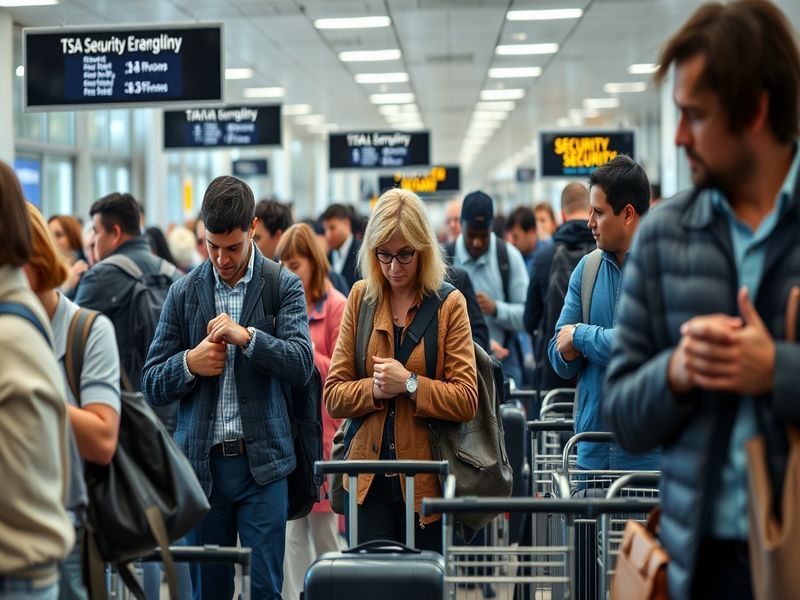
Travelers at Baltimore/Washington International Thurgood Marshall Airport (BWI) often face uncertainties regarding TSA wait times. As air travel resumes to pre-pandemic levels, understanding these wait times becomes crucial for a smooth journey. With an increasing number of passengers, BWI’s TSA lines can vary significantly throughout the day, impacting travelers’ plans.
Factors Influencing TSA Wait Times
Several elements contribute to the fluctuations in TSA wait times at BWI. Being aware of these factors can help passengers plan their trips more efficiently. Key factors include:
- Time of Day: Mornings and evenings are typically the busiest, leading to longer wait times.
- Seasonal Travel Trends: Holidays and vacation periods see a surge in travelers.
- Security Alerts: Heightened security measures can lead to extended wait times.
- Staffing Levels: Employee availability can fluctuate, affecting efficiency.
By considering these factors, travelers can better navigate the airport and reduce their stress levels. Monitoring the TSA’s official website or BWI’s social media channels can provide real-time updates on wait times.
Current Trends in BWI TSA Wait Times
In recent months, BWI has seen a notable increase in passenger traffic. According to reports, the average TSA wait time has been fluctuating between 10 to 30 minutes during peak hours. However, this can extend during holidays or special events. The TSA has implemented various measures to improve efficiency, such as:
- Increased staffing during peak travel times.
- Enhanced technology for screening processes.
- Public awareness campaigns to educate travelers on preparing for security checks.
Despite these efforts, travelers should still arrive at the airport earlier than usual, especially during busy periods. Aiming for a two-hour arrival time for domestic flights and three-hour arrival time for international flights is recommended.
Broader Implications of TSA Wait Times
Long TSA wait times can have wider implications beyond just passenger inconvenience. They can affect airline schedules, cause missed flights, and ultimately impact airport revenue. Airlines may face delays in departures and arrivals, leading to cascading effects throughout the travel network. Additionally, long waits can discourage travelers from flying altogether, which can negatively impact the tourism industry.
Moreover, the perception of security efficiency plays a significant role in the overall travel experience. Airports that are known for long wait times may deter potential visitors, affecting local economies that rely on tourism. In contrast, airports that streamline their security processes can enhance their reputation and attract more travelers.
Conclusion
Understanding BWI TSA wait times is essential for a smooth travel experience. By being aware of the factors that influence these wait times and staying informed about current trends, travelers can better plan their journeys. The ongoing improvements in TSA processes may help alleviate some of the congestion, but passengers must remain proactive. Arriving early and keeping an eye on updates can make all the difference in ensuring a hassle-free airport experience.
For more information on travel-related topics, visit our categories on Travel and News.