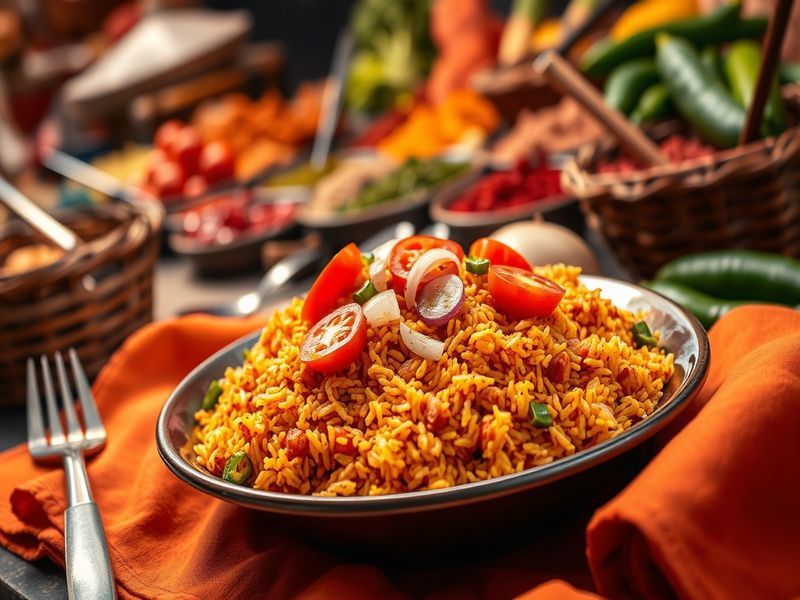
The Essence of Jollof Rice
Jollof rice is more than a dish; it is a symbol of cultural identity and community in West Africa. Often prepared for celebrations, gatherings, and family meals, this vibrant rice dish has garnered a reputation that transcends borders. In essence, jollof rice is a one-pot meal typically made with rice, tomatoes, onions, and a blend of spices. Each country has its unique twist, resulting in a delightful variety that appeals to diverse palates.
Regional Variations
At its core, jollof rice is a celebration of local ingredients and culinary traditions. Different countries have their own interpretations, leading to spirited discussions about which version reigns supreme.
- Nigerian Jollof Rice: Known for its rich, spicy flavor, Nigerian jollof is often cooked with a base of blended tomatoes, peppers, and onions. It is typically served with fried plantains and grilled chicken.
- Ghanaian Jollof Rice: Ghanaian jollof rice is slightly sweeter and incorporates local spices. It is often accompanied by a variety of proteins, including beef, chicken, or fish.
- Sierra Leonean Jollof Rice: This version includes coconut milk, adding a unique creaminess to the dish. It is usually reserved for special occasions.
- Senegalese Jollof Rice: Considered the origin of jollof rice, Senegal’s version is often prepared with fish and vegetables, showcasing the country’s coastal resources.
Cultural Significance
The preparation and enjoyment of jollof rice extend beyond mere consumption. It is a catalyst for social interaction and a symbol of unity. Families and friends come together to prepare the meal, often engaging in lively conversations and laughter. The dish also plays a crucial role in cultural events, such as weddings and festivals, where it takes center stage.
In many West African communities, the competition to create the best jollof rice is fierce. This rivalry often leads to informal contests, where cooks showcase their skills and creativity. Such events not only foster community spirit but also celebrate the culinary heritage of the region.
The Global Impact of Jollof Rice
In recent years, jollof rice has gained international recognition, appearing in restaurants and food festivals worldwide. Chefs and food enthusiasts are increasingly drawn to the dish’s bold flavors and versatility. This growing interest has led to fusion variations, incorporating ingredients from different cultures while retaining the essence of jollof rice.
As jollof rice continues to gain popularity, it serves as a bridge between cultures. It invites people to explore West African cuisine and fosters appreciation for its rich traditions. Food bloggers and influencers have also played a significant role in promoting jollof rice globally, sharing recipes and stories that highlight its cultural significance.
For those interested in exploring more about West African cuisine, check out our Food section on Dave’s Locker for additional recipes and cultural insights. Additionally, the Culture category offers a deeper understanding of the traditions surrounding this beloved dish.
Conclusion
Jollof rice is much more than a meal; it is a cultural artifact that embodies the spirit of West Africa. Its rich flavors, regional variations, and social significance make it a dish worth celebrating. As it continues to evolve and gain recognition worldwide, jollof rice remains a testament to the power of food in bringing people together. Whether enjoyed at a family gathering or a trendy restaurant, jollof rice will always hold a special place in the hearts of those who savor it.