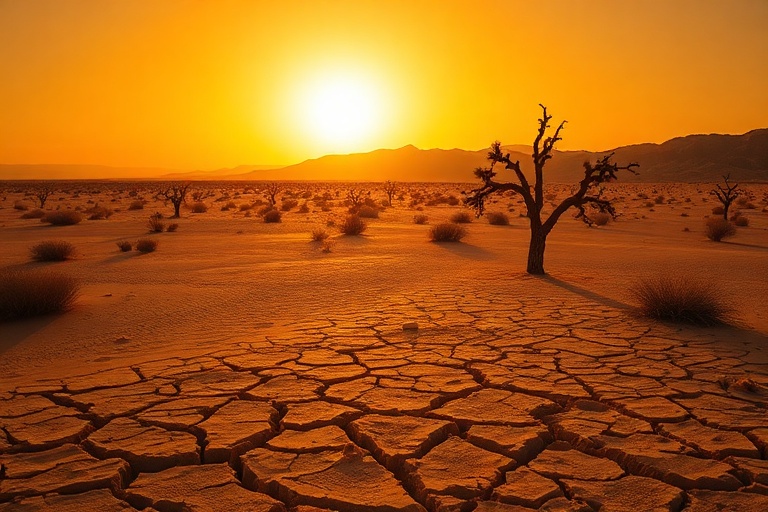
Understanding Heat Waves: What They Are and Why They Matter
A heat wave is defined as a prolonged period of excessively hot weather, which may be accompanied by high humidity. These weather events can vary significantly in duration and intensity, often leading to serious health risks and environmental impacts. As temperatures rise, the implications of heat waves extend beyond mere discomfort, affecting agriculture, energy consumption, and public health.
Causes of Heat Waves
Heat waves are primarily caused by a combination of high-pressure systems and climate change. High-pressure systems trap warm air near the Earth’s surface, preventing it from dissipating. Additionally, climate change has amplified the frequency and intensity of these events, making them more common than in previous decades.
Key factors contributing to heat waves include:
- Atmospheric conditions: High-pressure systems create stagnant air masses.
- Urbanization: Cities generate heat through buildings and vehicles, creating “urban heat islands.”
- Climate change: Global warming increases baseline temperatures, leading to more extreme weather.
Impact on Public Health and Safety
Heat waves pose significant risks to public health. Vulnerable populations, including the elderly and those with pre-existing health conditions, are particularly at risk. The effects of extreme heat can lead to heat exhaustion, heat stroke, and even fatalities.
The impact on public health includes:
- Increased hospital visits due to heat-related illnesses.
- Stress on emergency services as they respond to heat-related emergencies.
- Long-term health effects from prolonged exposure to extreme temperatures.
Public awareness campaigns and community outreach are essential in mitigating these risks. Local governments often issue heat advisories, providing guidelines for staying safe during extreme heat events.
Broader Implications of Heat Waves
The ramifications of heat waves extend beyond immediate health concerns. Agriculture is heavily affected, with crops suffering from heat stress. This can lead to reduced yields and increased food prices. Additionally, energy demands spike as people use air conditioning to cope with the heat, which can strain power grids and lead to outages.
Furthermore, the environmental impacts are profound. Prolonged heat can exacerbate drought conditions, leading to water shortages and affecting ecosystems. Wildlife is also impacted, as species struggle to adapt to rapidly changing conditions.
Considering these factors, the importance of comprehensive climate action becomes clear. Addressing the root causes of climate change is essential to reducing the frequency and severity of heat waves.
Conclusion
Heat waves are more than just a seasonal nuisance; they are a pressing public health issue and a symptom of broader environmental challenges. Understanding their causes, impacts, and implications is crucial for developing effective responses. As climate change continues to shape our weather patterns, proactive measures at individual, community, and governmental levels will be necessary to mitigate the effects of future heat waves.
For more information on weather-related topics, visit our weather category page or explore our environment section for insights into related issues.