Rochester, Minnesota, sits in the heart of the Upper Midwest, where weather isn’t just a topic of small talk—it shapes daily life, infrastructure, and even local culture. From blizzards that paralyze the city to summers that rival southern humidity, the weather in Rochester is as predictable as it is unpredictable. Understanding its patterns isn’t just academic; it’s essential for residents, planners, and anyone considering a move or visit.
The Four Seasons: A Year in Rochester’s Climate
Rochester experiences a classic humid continental climate, marked by warm summers, cold winters, and dramatic seasonal transitions. The city’s inland location, far from moderating lake effects, allows temperatures to swing widely. Winters are long and snowy, while summers bring warmth and occasional thunderstorms. Spring and fall serve as brief but beautiful interludes, offering respite between extremes.
- Winter (December–March): Average temperatures range from 15°F to 25°F, with subzero lows common. Snowfall averages around 50 inches annually, with lake-effect enhancement from nearby Lake Superior adding to totals.
- Spring (April–May): A volatile season with rapid warming, frequent temperature swings, and heavy rain. Tornadoes become a risk as warm Gulf air collides with lingering cold fronts.
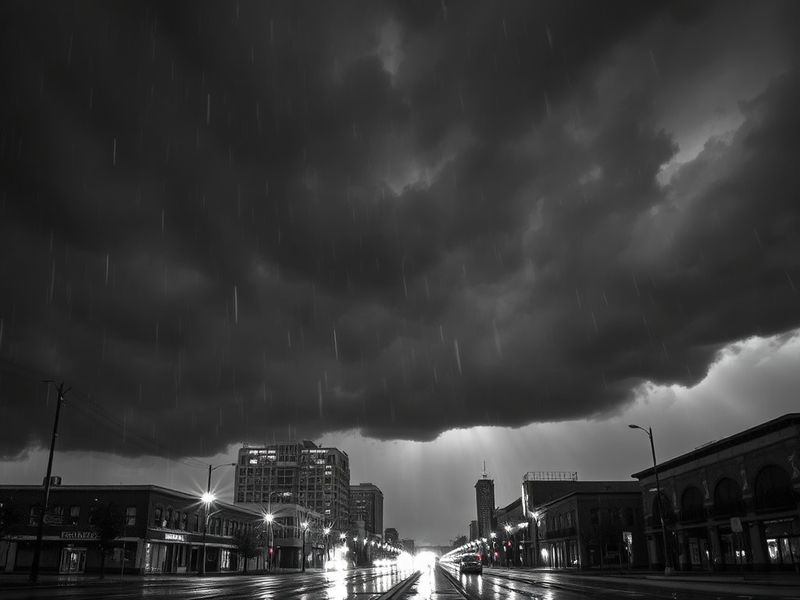
- Summer (June–August): Warm and humid, with average highs in the mid-70s to low 80s. Heat waves can push temperatures into the 90s, especially during July. Thunderstorms are frequent, sometimes severe.
- Fall (September–November): Cool, crisp air arrives early, with vibrant foliage peaking in late September. Frost becomes common by October, and snow can return as early as November.
This seasonal rhythm is more than just background noise—it influences everything from heating bills to road salt budgets, and even the timing of local festivals and outdoor events. The city’s infrastructure, including the renowned Mayo Clinic, has adapted to these conditions, with underground tunnels and climate-controlled walkways becoming part of daily life.
Extreme Weather: When Rochester Goes to the Edge
While the city’s weather follows predictable patterns, it also has a history of pushing boundaries. Rochester has seen its share of historic events, from paralyzing blizzards to derechos that knock out power for days. These extremes test the community’s resilience and shape long-term planning decisions.
One of the most notable events occurred in February 1967, when a blizzard dumped nearly 20 inches of snow and created drifts up to 15 feet high. The storm stranded thousands, closed schools for days, and became a defining moment in the city’s weather memory. More recently, the 2020 derecho caused widespread damage, uprooting trees and knocking out power across southeastern Minnesota.
- Blizzards: Rochester averages one or two per winter, with visibility dropping to zero and winds exceeding 35 mph. These events often lead to travel bans and emergency declarations.
- Tornadoes: While not in Tornado Alley’s core, Rochester lies in a secondary risk zone. The city has experienced multiple tornado warnings in recent years, including an EF2 in 2021 that damaged homes on the city’s outskirts.
- Flash Floods: Summer storms can dump several inches of rain in hours, overwhelming drainage systems and causing localized flooding, particularly in low-lying areas.
These events aren’t just inconveniences—they have economic consequences. The 2020 derecho alone caused an estimated $200 million in damage across the region. Insurance claims surge after severe weather, and the city invests heavily in mitigation, from upgraded stormwater systems to emergency alert networks. The Mayo Clinic, a major employer, has also prioritized continuity planning to ensure operations continue during disruptions.
How Climate Change Is Reshaping Rochester’s Weather
Like much of the northern U.S., Rochester is experiencing the early effects of climate change. Winters are becoming milder, with fewer subzero days, while summers bring longer stretches of oppressive humidity. Rainfall patterns are shifting, with heavier downpours becoming more common. These changes have ripple effects on agriculture, public health, and urban planning.
Data from the National Oceanic and Atmospheric Administration (NOAA) shows that average winter temperatures in Minnesota have risen by nearly 4°F since 1970. Snowfall totals are more variable, with some winters producing record snow, while others see rain instead of flakes. This unpredictability complicates everything from snowplow routes to school district calendars.
Public health is another concern. Warmer winters reduce the “buffer” period that historically killed off disease-carrying ticks and mosquitoes. Lyme disease cases in Minnesota have nearly doubled over the past decade, and health officials warn that the trend may continue. Meanwhile, extreme heat events are becoming more frequent, posing risks for vulnerable populations, including the elderly and those without air conditioning.
The city is responding with adaptation strategies. Rochester’s Climate Action Plan, adopted in 2021, sets goals for reducing greenhouse gas emissions and increasing resilience. Projects include expanding green infrastructure to manage stormwater, planting more trees to combat urban heat islands, and updating building codes to improve energy efficiency. These efforts reflect a broader shift in how communities view weather—not just as an act of nature, but as a challenge to be managed.
What’s Next for Rochester’s Weather? Preparing for What’s Ahead
Looking forward, Rochester’s weather will likely continue to evolve. While no one can predict the next blizzard or heat wave with certainty, trends suggest a future of warmer, wetter conditions with more frequent extremes. For residents, this means adapting personal habits—from winterizing homes to installing sump pumps in basements. For city leaders, it means doubling down on infrastructure upgrades and emergency preparedness.
One of the most visible changes may come in how the city communicates weather risks. With social media and smartphone alerts, residents now receive real-time updates during storms. But this immediacy also raises questions about information overload and public fatigue. How many warnings are too many? When does urgency become background noise?
For those new to the area, understanding Rochester’s weather isn’t just about checking the forecast. It’s about recognizing the rhythm of the seasons, preparing for the unexpected, and appreciating how climate shapes community identity. From the quiet beauty of a winter’s night to the crackling energy of a summer thunderstorm, the weather here is more than data points—it’s part of what makes Rochester, Rochester.
Whether you’re a longtime resident or considering a move, staying informed and adaptable is key. The city’s future will be written not just in its buildings and roads, but in how it responds to the sky above.
For more on how weather impacts daily life in Minnesota, visit Dave’s Locker Culture or explore local perspectives on Dave’s Locker Travel.