Thousands Stranded at Miami Airport as Global Travel Disruptions Continue
Miami International Airport, one of the busiest aviation hubs in the Americas, has become an unintended staging ground for stranded travelers following a cascade of flight cancellations and delays. The disruptions, which began over the weekend, have left thousands of passengers in limbo as airlines struggle to recover from a combination of technical, operational, and weather-related issues. While Miami often serves as a gateway between North and South America, the current situation has exposed vulnerabilities in global travel infrastructure.
The Immediate Fallout: Overbooked Terminals and Frustrated Passengers
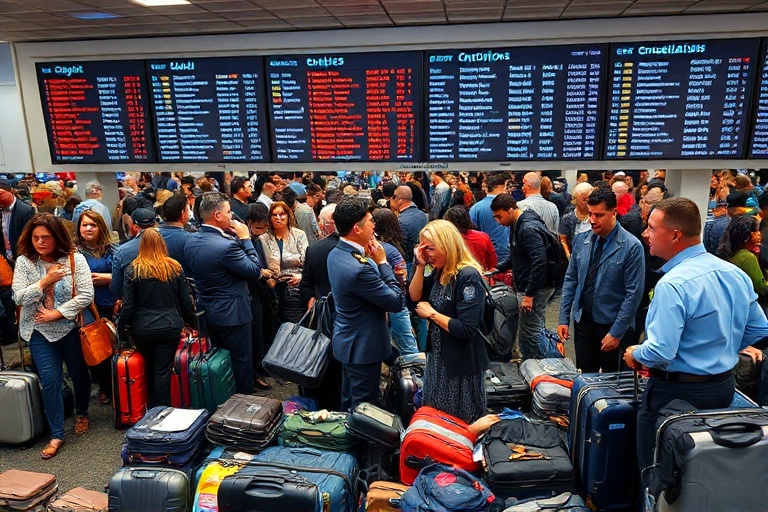
Terminals at Miami International Airport (MIA) are operating at nearly double their usual capacity as airlines scramble to rebook passengers on alternative flights. Long lines snake through check-in areas, and weary travelers clutch boarding passes that have been rendered meaningless. Some have been waiting for more than 24 hours, with little information from airlines about when they might reach their destinations.
The situation is particularly acute for international travelers. Many arrived in Miami expecting to connect to flights across Latin America and the Caribbean, only to find their onward journeys indefinitely postponed. Airlines like American, Delta, and United have issued statements acknowledging the delays but have offered few concrete solutions beyond vague promises of “priority rebooking.”
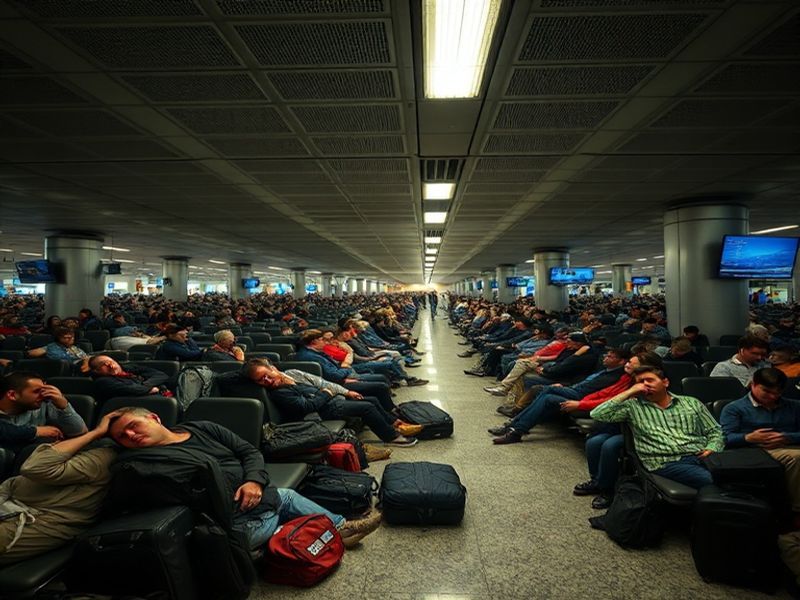
For those who managed to secure hotel rooms, costs have skyrocketed due to last-minute surges in demand. Budget accommodations near the airport are fully booked, leaving many to sleep on terminal floors or in airport lounges. Social media has become a makeshift complaint board, with travelers from Europe, Africa, and beyond sharing their frustrations under hashtags like #StrandedInMiami and #Flightpocalypse.
A Perfect Storm: What’s Behind the Disruptions?
The current crisis at Miami International Airport stems from a combination of factors that have converged to create a logistical nightmare. While no single event can be blamed, the domino effect of these issues has magnified the problem:
- Technical glitches in airline systems: A major outage in a global reservation platform disrupted bookings for several carriers, leaving passengers without confirmed seats even after arriving at the airport.
- Severe weather in the Midwest: Thunderstorms and high winds in Chicago and Dallas—key hubs for connecting flights—have caused a ripple effect, delaying departures and reducing the availability of aircraft.
- Staff shortages: Airlines continue to grapple with understaffed customer service teams, making it difficult to process rebookings efficiently.
- Surge in summer travel: With peak vacation season in full swing, airports are operating at near-capacity, leaving little room for error when disruptions occur.
Miami’s role as a critical transit point amplifies these challenges. The airport handles more than 45 million passengers annually, with nearly 70% of them traveling internationally. When delays cascade through the system, the impact is felt globally, from business travelers missing meetings in São Paulo to tourists stranded before their dream vacation in the Bahamas.
Local experts point out that Miami’s infrastructure, while robust, is not immune to the strains of modern air travel. “Airports like MIA are designed to handle high volumes, but they’re not built for sustained chaos,” says aviation analyst Maria Rodriguez. “When multiple systems fail at once, the cracks start to show.”
Cultural and Economic Ripples Beyond the Terminal
The ripple effects of the Miami airport crisis extend far beyond the immediate inconvenience for travelers. The city’s economy, heavily reliant on tourism and international business, is feeling the pinch. Hotels, restaurants, and transportation services near the airport report a sharp decline in revenue as visitors cut short or cancel their stays. Meanwhile, airlines face mounting compensation claims from stranded passengers, adding financial strain to an already volatile industry.
Culturally, the situation has become a talking point from Miami to Madrid. In Latin American media, the delays are framed as emblematic of broader issues in air travel infrastructure across the region. “This isn’t just a Miami problem,” says a columnist for El País. “It’s a symptom of an industry that has prioritized profits over reliability.”
For many travelers, the experience has also become a test of patience and adaptability. Some have turned to creative solutions, like hitching rideshares to nearby airports in Fort Lauderdale or Orlando in hopes of finding alternative flights. Others have embraced the delay, using the unexpected stopover to explore Miami’s beaches or cultural districts—a silver lining in an otherwise frustrating ordeal.
The crisis has also highlighted the disparities in how airlines treat passengers. While some travelers report receiving hotel vouchers and meal credits, others complain of being left to fend for themselves. This inconsistency has reignited debates about airline accountability and passenger rights, particularly in the U.S., where regulations like the Airline Passenger Bill of Rights are often criticized as insufficient.
What’s Next for Stranded Travelers?
As airlines work to restore order, the path forward remains uncertain. Miami International Airport has increased staffing at its customer service desks, and some carriers have begun operating temporary shuttle services to nearby hotels. However, with thousands still waiting for rebookings, the recovery process could take days—or even weeks—for some.
Airlines have urged passengers to check their emails and app notifications for updates, but many travelers remain skeptical after experiencing similar issues during past disruptions. “I’ve been given so many false promises,” says one stranded passenger from Germany. “I don’t trust the system anymore.”
For those who have been most affected, the experience may serve as a wake-up call about the fragility of global travel. In an era where flights can be booked with a click, the reality of delays, cancellations, and stranded passengers is a stark reminder of the human cost behind seamless itineraries.
As the situation unfolds, one thing is clear: Miami’s airport crisis is more than just a logistical headache. It’s a reflection of the pressures facing an industry at the mercy of technology, weather, and human error—and a test of how well airlines and airports can adapt when everything goes wrong.