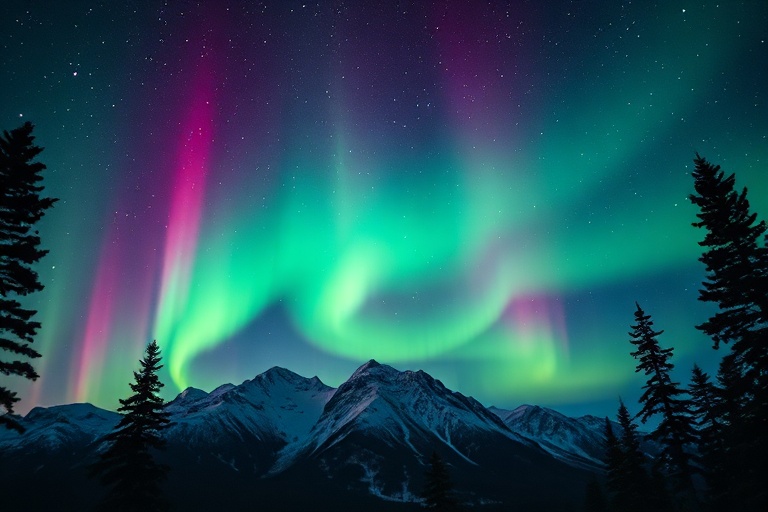
This weekend presents a rare opportunity to witness the celestial spectacle of the aurora borealis across multiple North American destinations. With solar activity peaking this year, the chances of spotting the dancing lights have never been higher.
Best Viewing Locations This Weekend
Northern Canada remains the premier destination for aurora viewing, particularly in regions above the 60th parallel. Yellowknife in the Northwest Territories continues to be a top choice, with its clear skies and minimal light pollution. The city’s dedicated aurora-viewing facilities, including the Aurora Village and Blachford Lake Lodge, offer heated teepees and guided photography sessions that make the experience comfortable even in sub-zero temperatures.
In Alaska, Fairbanks maintains its reputation as one of the most accessible aurora destinations in North America. The city’s aurora forecast center provides real-time updates, while local operators like Northern Alaska Tour Company offer multi-day viewing packages that include stays at remote lodges where darkness is guaranteed. The Chena Hot Springs Resort combines warm soaks with excellent aurora viewing opportunities, creating a unique experience where guests can watch the lights from natural hot springs pools.
For those seeking continental U.S. options, northern Minnesota and North Dakota provide the best chances this far south. Voyageurs National Park in Minnesota has recently expanded its aurora-watching programs, including ranger-led astronomy sessions and ice-bound cabin rentals specifically for winter sky viewing. Meanwhile, Theodore Roosevelt National Park in North Dakota has installed new low-light observation platforms that were completed just this winter.
Top 5 Aurora Viewing Spots in North America
- Yellowknife, Northwest Territories – 40% chance of clear skies this weekend
- Fairbanks, Alaska – 50% chance with aurora activity rated as “strong”
- Churchill, Manitoba – Beluga whale sightings possible alongside auroras
- Voyageurs National Park, Minnesota – 30% chance but excellent infrastructure
- Whitehorse, Yukon – 45% chance with less crowded viewing areas
Timing and Weather Considerations
The aurora forecast for this weekend shows particularly strong geomagnetic activity, with KP indices reaching 5-6 on Saturday night. This level of activity typically makes the aurora visible as far south as the northern United States, though optimal viewing remains in the higher latitudes. Saturday night into Sunday morning appears to be the peak viewing window, with aurora activity expected to begin around 10:30 PM local time and continue until dawn.
Weather conditions play a crucial role in successful aurora viewing. Clear skies are essential, as clouds can completely obscure the phenomenon. In Yellowknife, temperatures are expected to drop to -25°C (-13°F), but the dry Arctic air typically results in excellent visibility. Fairbanks will see temperatures around -15°C (5°F), which is relatively mild for the region. The northern prairies of Canada and the U.S. will experience more variable conditions, with some locations potentially dealing with cloud cover from an approaching weather system.
Local aurora guides recommend arriving at viewing locations at least 90 minutes before the expected peak activity. This allows time for eyes to adjust to the darkness and provides buffer time for any unexpected delays. Many viewing areas now offer real-time aurora tracking through dedicated apps and websites that show current KP indices and cloud cover predictions.
Photographing the Aurora: Essential Tips
Capturing the aurora borealis requires different techniques than standard night photography. The key is balancing a high enough ISO to capture the faint light without introducing excessive noise. Most aurora photographers recommend using a full-frame camera with a fast wide-angle lens (f/2.8 or faster). A sturdy tripod is essential, as exposures can last anywhere from 5 to 20 seconds depending on aurora intensity.
One common mistake beginners make is overexposing the aurora. The human eye can see more detail in the dancing lights than a camera sensor can capture in a single exposure. Start with an ISO of 1600-3200, aperture wide open, and a shutter speed of 8-12 seconds. These settings can then be adjusted based on the actual aurora brightness and your specific equipment.
Composition is equally important when photographing the northern lights. Including foreground elements like trees, cabins, or frozen lakes can provide scale and context to the vast aurora displays. Many photographers use apps like PhotoPills to plan their shots in advance, taking into account the position of the aurora oval and potential obstructions like mountains or buildings.
For those without professional equipment, smartphone photography has improved dramatically in recent years. Newer iPhone and Android models can capture surprisingly good aurora images using night mode settings, though they won’t match dedicated cameras for detail and flexibility.
Making the Most of Your Aurora Weekend
Beyond the viewing itself, many destinations offer complementary activities that enhance the northern lights experience. In Yellowknife, visitors can combine aurora tours with traditional Indigenous cultural experiences, including storytelling sessions about the aurora’s significance in Dene culture. Some operators now offer aurora photography workshops that include editing sessions to help beginners process their images.
In Fairbanks, the weekend coincides with the annual Winter Festival, which features ice sculptures, dog sledding demonstrations, and aurora-themed art installations. The city’s museums often extend their hours during peak aurora season, with special planetarium shows about solar activity and geomagnetic storms.
For those willing to venture further off the beaten path, remote lodges in the Yukon and Nunavut offer multi-day aurora-viewing packages that include snowmobiling, dog sledding, and traditional Inuit meals. These experiences provide not just aurora viewing, but a deeper understanding of the Arctic environment and culture. Many of these lodges have recently upgraded their facilities with heated viewing decks and aurora alarms that wake guests when activity reaches optimal levels.
Planning ahead is crucial, as popular aurora-viewing destinations fill up quickly during peak season. Many operators recommend booking accommodations at least 3-4 months in advance, especially for weekends with high aurora forecasts. Some lodges now offer last-minute booking options through their websites, allowing travelers to chase the strongest aurora activity as it develops.
For those who can’t travel this weekend, several northern locations offer live aurora cameras that stream the northern lights in real time. While these can’t replicate the experience of seeing the aurora in person, they provide a taste of the phenomenon and can help plan future trips. Some camera systems, like those operated by the University of Calgary, offer high-resolution streams that show impressive detail.
Whether you’re traveling to the Arctic or watching from your backyard, this weekend offers an exceptional opportunity to witness one of nature’s most spectacular displays. With proper planning and a bit of luck, the aurora borealis can provide memories that will last a lifetime.
For more travel inspiration and adventure guides, visit our Travel section or explore our Nature coverage for additional outdoor experiences.