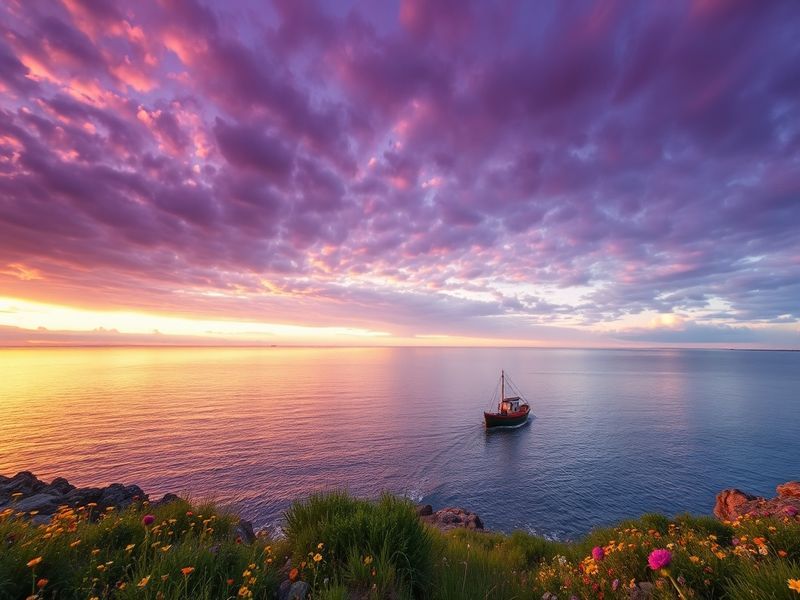
The Caspian Sea, the world’s largest inland body of water, stretches across five countries and serves as a critical ecological, economic, and geopolitical hub. Bordered by Azerbaijan, Iran, Kazakhstan, Russia, and Turkmenistan, this massive saline lake covers approximately 371,000 square kilometers—nearly 40% larger than Japan. Unlike typical lakes, the Caspian’s vast size, diverse marine life, and strategic location have earned it the classification of a sea. Its waters support thriving fisheries, while its shores host bustling ports and industrial zones.
Despite its name, the Caspian is technically a lake because it is entirely landlocked. However, its salinity levels and marine biodiversity distinguish it from freshwater lakes. The sea’s ecosystems range from brackish lagoons in the north to deep basins in the south, creating a mosaic of habitats. These unique conditions have made the Caspian a focal point for environmental scientists, policymakers, and economists alike.
Geography and Biodiversity: A Natural Wonder
The Caspian Sea sits at the crossroads of Europe and Asia, bordered by rugged mountains in the west and vast plains in the north. The sea is divided into three distinct basins: the shallow Northern Caspian, the central Middle Caspian, and the deep Southern Caspian, which plunges to depths of over 1,000 meters. This varied topography influences water circulation, salinity, and marine life distribution.
The Caspian’s biodiversity is remarkable. Over 850 species of plants and animals thrive in its waters, including the critically endangered Caspian seal, the world’s smallest seal species. The sea is also home to valuable fish populations, such as sturgeon, which produce the prized caviar. However, overfishing, pollution, and habitat degradation threaten these ecosystems. Conservation efforts are underway, but balancing economic development with environmental protection remains a challenge.
Notable species include:
- Caspian seal (Pusa caspica): The only marine mammal endemic to the region.
- Beluga sturgeon (Huso huso): The source of beluga caviar, one of the most luxurious food products.
- Caspian salmon (Salmo caspius): A keystone species in local fisheries.
- Zebra mussel (Dreissena polymorpha): An invasive species disrupting native ecosystems.
Economic Importance: A Hub of Trade and Resources
The Caspian Sea is a vital economic artery, connecting landlocked Central Asian countries to global markets. Its waters facilitate the transport of oil, gas, and agricultural goods, while its shores are dotted with ports like Baku in Azerbaijan and Aktau in Kazakhstan. The sea’s oil and gas reserves are particularly significant, with the potential to reshape global energy markets.
Oil production in the Caspian dates back to the 19th century, but modern extraction has expanded dramatically. The region is estimated to hold up to 48 billion barrels of oil and 292 trillion cubic feet of natural gas. Major projects include:
- Azerbaijan’s ACG (Azeri-Chirag-Gunashli) field: One of the largest offshore oil developments.
- Kazakhstan’s Tengiz and Kashagan fields: Among the world’s most complex and productive oil reserves.
- Turkmenistan’s Galkynysh field: A key natural gas resource supporting regional exports.
Beyond hydrocarbons, the Caspian supports fisheries that employ thousands. The sturgeon fishery, though heavily regulated, remains a cultural and economic cornerstone. However, illegal fishing and poaching pose ongoing threats to sustainability. Efforts to combat these issues include international agreements and stricter enforcement of fishing quotas.
Tourism is another growing sector. The Caspian’s beaches, historic cities like Baku, and unique landscapes attract visitors from around the world. The Travel section on Dave’s Locker highlights some of the best ways to explore the region’s natural and cultural attractions.
Geopolitical Challenges: Cooperation and Conflict
The Caspian Sea is not just a natural wonder—it is a geopolitical puzzle. The division of its resources and waters has been a source of tension among the five bordering nations for decades. The legal status of the Caspian was long unresolved, with disputes over whether it should be treated as a sea or a lake. This distinction affects how resources are shared and how environmental protections are enforced.
In 2018, the five countries signed the Convention on the Legal Status of the Caspian Sea, a landmark agreement that clarifies maritime borders and resource rights. The convention divides the sea into national sectors while maintaining shared access for navigation and environmental protection. However, challenges remain, particularly in enforcing the agreement and managing competing interests.
Key geopolitical issues include:
- Oil and gas pipeline routes: Competing proposals for pipelines to transport Caspian energy to global markets.
- Fishing rights: Disputes over quotas and illegal fishing in shared waters.
- Environmental protection: Balancing industrial development with conservation efforts.
- Military presence: The presence of naval forces and potential for regional conflicts.
International cooperation is essential for addressing these challenges. Organizations like the United Nations Environment Programme and regional bodies are working to foster dialogue and implement sustainable policies. Yet, the legacy of mistrust and competing national priorities continues to complicate progress.
Environmental Concerns: A Fragile Ecosystem
The Caspian Sea faces mounting environmental pressures. Pollution from industrial runoff, agricultural chemicals, and oil spills threatens water quality. The introduction of invasive species, such as the zebra mussel, has disrupted native ecosystems. Climate change further exacerbates these issues, with rising temperatures and altered precipitation patterns affecting water levels and salinity.
One of the most pressing concerns is the decline in sturgeon populations. Overfishing for caviar, combined with habitat loss, has pushed many species to the brink of extinction. The International Union for Conservation of Nature (IUCN) lists several Caspian sturgeon species as critically endangered. Conservation programs, including captive breeding and stricter fishing regulations, aim to reverse these trends.
Another major threat is the fluctuation in water levels. The Caspian has experienced significant changes in recent decades, with levels dropping by nearly 3 meters since the 1990s. This decline is attributed to a combination of factors, including reduced river flow from the Volga and climate change. Lower water levels can disrupt fisheries, increase salinity, and damage coastal infrastructure.
Efforts to address these challenges include:
- Regional agreements: Treaties aimed at reducing pollution and protecting biodiversity.
- Scientific research: Studies to monitor water quality, fish populations, and climate impacts.
- Public awareness campaigns: Educating local communities and industries about sustainable practices.
- Restoration projects: Rehabilitating wetlands and spawning grounds for fish.
Despite these initiatives, much work remains to ensure the Caspian Sea’s long-term health. The interplay between economic development and environmental stewardship will define the region’s future.
Conclusion: A Sea of Opportunity and Responsibility
The Caspian Sea is a paradox—a vast, resource-rich body of water that sustains life while facing unprecedented threats. Its ecological diversity, economic potential, and geopolitical significance make it a critical region for global attention. Yet, the challenges it confronts—pollution, overfishing, climate change, and geopolitical tensions—demand urgent action.
For the five countries that share its waters, the Caspian represents both opportunity and responsibility. Sustainable management of its resources can drive economic growth while preserving its unique ecosystems. International cooperation, scientific innovation, and robust environmental policies will be key to achieving this balance. As the world grapples with climate change and resource scarcity, the Caspian Sea serves as a microcosm of the broader challenges and opportunities facing our planet.
The future of the Caspian is not predetermined. With concerted effort, it can remain a thriving hub of biodiversity and prosperity. Without it, the consequences could be dire—not just for the countries that border it, but for the global community as a whole.