The Uncle Nearest Lawsuit: An Overview
The Uncle Nearest lawsuit has garnered attention for its implications on brand integrity and the legacy of African American contributions to whiskey distilling. Founded to honor Nearest Green, the first known African American master distiller, the brand has become synonymous with quality and heritage. However, recent legal battles threaten to overshadow its achievements.
Background of the Uncle Nearest Brand
Uncle Nearest Premium Whiskey was established in 2017 by Fawn Weaver. The brand pays homage to Nearest Green, who taught Jack Daniel the art of whiskey making. This narrative of historical significance has attracted a loyal customer base and has positioned Uncle Nearest as a leader in the premium whiskey market.
Over the years, Uncle Nearest has received numerous accolades, including awards for its taste and branding. The brand’s commitment to telling the story of Nearest Green has also made it a symbol of progress within the spirits industry. However, this success has not come without challenges.
The Legal Dispute
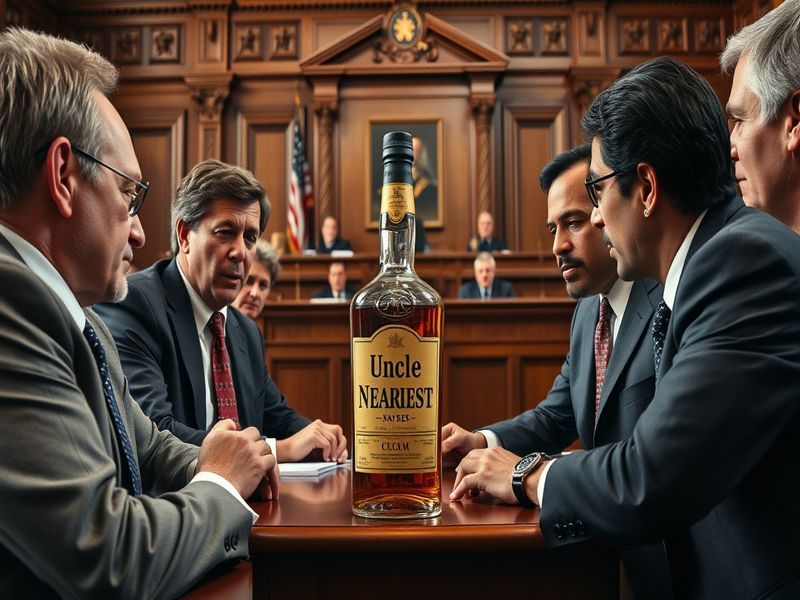
Recently, Uncle Nearest has found itself embroiled in a lawsuit that raises questions about trademark rights and brand identity. The lawsuit was filed by a former partner who claims ownership over specific branding elements and marketing strategies. This legal confrontation revolves around several key points:
- Dispute over trademark ownership
- Allegations of breach of contract
- Claims regarding the misuse of marketing strategies
The outcome of this case could have significant ramifications for the brand and its future endeavors. If the lawsuit succeeds, it could lead to a rebranding effort or even a change in ownership structure.
Broader Implications for the Whiskey Industry
The implications of the Uncle Nearest lawsuit extend beyond the brand itself. It highlights the ongoing struggles within the spirits industry regarding representation and ownership. The whiskey market has historically been dominated by large corporations, and the emergence of brands like Uncle Nearest represents a shift towards inclusivity and recognition of diverse contributions.
Furthermore, the lawsuit underscores the importance of protecting intellectual property in an era where brand identity can make or break a company. The whiskey industry is particularly susceptible to these issues, given its rich history and the increasing number of craft distilleries entering the market.
As the case unfolds, industry stakeholders are closely watching its progress. The outcome could either reinforce the need for stronger protections for smaller brands or expose vulnerabilities in the current legal framework governing trademarks.
Conclusion: The Future of Uncle Nearest
The Uncle Nearest lawsuit represents a pivotal moment for both the brand and the whiskey industry at large. As the case progresses, it will be essential to monitor its impact on the brand’s identity and market position. Regardless of the outcome, this legal confrontation serves as a reminder of the complexities surrounding ownership and recognition in the spirits industry.
For those interested in the evolving landscape of whiskey, this case is worth following closely. The Uncle Nearest brand has already made significant strides in promoting diversity, and the resolution of this lawsuit will likely shape its future trajectory. For more insights on similar topics, visit our News and Business sections.