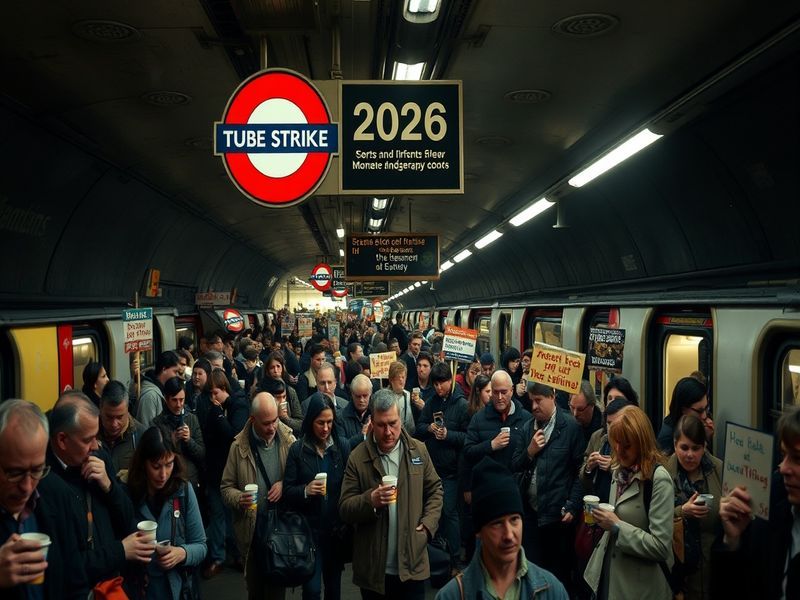
Tube Strikes in March 2026: An Overview
In March 2026, London faced significant disruptions due to a series of tube strikes. These strikes, initiated by transport unions, aimed to address ongoing grievances related to pay, working conditions, and staffing levels. The impact of these strikes was felt across the city, affecting commuters and tourists alike.
The strikes were not only a local issue but also a reflection of broader labor trends observed in various sectors. With inflation rates rising and the cost of living increasing, workers across the UK have been vocal about their demands for fair compensation. The tube strikes became a focal point for these discussions, drawing attention to the challenges faced by essential workers.
Reasons Behind the Strikes
Several factors contributed to the decision to strike. The primary reasons included:
- Wage Disputes: Workers demanded a pay increase that matched inflation rates.
- Staffing Levels: Unions argued that understaffing compromised safety and service quality.
- Working Conditions: Concerns over long hours and inadequate breaks were highlighted.
- Job Security: The threat of job cuts in the face of budget constraints was a major concern.
As these issues came to a head, union leaders organized strikes, calling for solidarity among workers in various sectors. The response from the public was mixed, with some supporting the workers’ rights to protest, while others expressed frustration over the disruptions.
Impact on Commuters and the City
The strikes had a significant impact on daily commuters. With many tube lines closed or operating at reduced capacity, thousands of Londoners were forced to seek alternative modes of transportation. This led to increased congestion on buses and roads, as well as longer travel times. Public transport users expressed their frustration on social media, sharing stories of delays and crowded alternatives.
Moreover, the strikes affected local businesses that rely on foot traffic. Shops, cafes, and restaurants near tube stations reported a decline in customers, as fewer people ventured out to the city. The economic implications of the strikes were felt not only by commuters but also by the broader community.
The Response from Authorities
In response to the strikes, Transport for London (TfL) issued statements urging for dialogue between union leaders and management. They emphasized the importance of resolving issues collaboratively to restore normal service. However, the unions maintained that negotiations had stalled, and their demands remained unmet.
Some politicians also weighed in, calling for a balanced approach that considers both workers’ rights and the needs of commuters. The situation sparked discussions about the future of public transport in London, with many advocating for reforms that could prevent similar disruptions in the future.
As the strikes continued, the conversation shifted towards potential solutions. Possible measures could include:
- Implementing regular reviews of pay and working conditions.
- Enhancing communication between management and staff.
- Investing in infrastructure to improve service reliability.
Conclusion
The tube strikes of March 2026 served as a critical reminder of the ongoing struggles faced by workers in various industries. While the immediate impact on commuters and local businesses was evident, the broader implications of these strikes raised important questions about labor rights and economic fairness.
As discussions continue, it remains essential for both workers and management to engage in constructive dialogue. Finding common ground will be crucial in ensuring that public transport in London can operate smoothly while also addressing the legitimate concerns of its workforce. The events of March 2026 will likely influence labor relations in the years to come, shaping the future of work in the transport sector and beyond.
For more insights on labor issues and transportation, visit our News and Analysis sections.