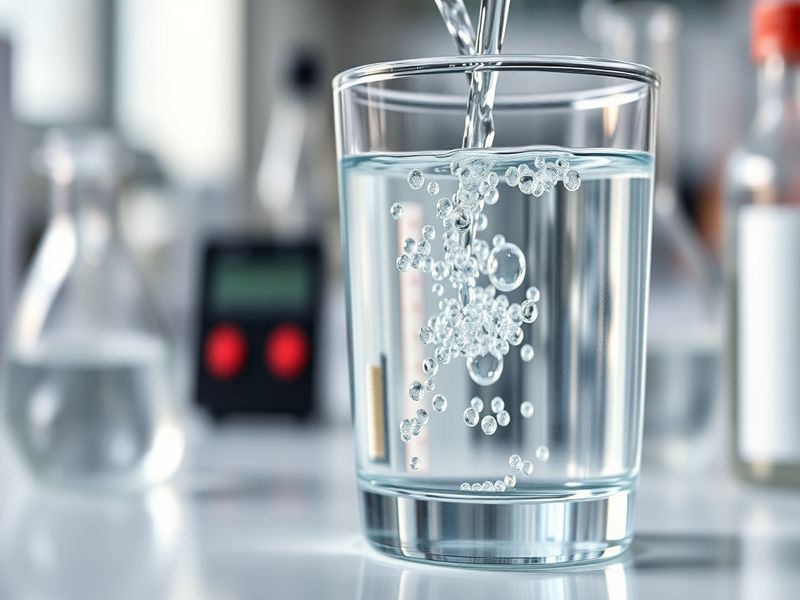
Understanding TDS: Total Dissolved Solids Explained
Understanding TDS: An Overview
TDS, or Total Dissolved Solids, is a critical concept in water quality analysis. It refers to the total concentration of dissolved substances in water, including minerals, salts, and organic matter. Measuring TDS is essential for various applications, from assessing drinking water quality to evaluating the health of aquatic ecosystems.
Typically expressed in milligrams per liter (mg/L) or parts per million (ppm), TDS levels can indicate how much material is present in the water. High TDS levels may suggest the presence of contaminants or excessive minerals, which can affect taste, health, and usability.
Sources of TDS in Water
There are multiple sources of dissolved solids in water. Understanding these sources is crucial for managing water quality effectively. Here are some common contributors to TDS levels:
- Natural Sources: Geological formations can leach minerals into groundwater. For instance, limestone and gypsum can significantly increase TDS.
- Human Activities: Agricultural runoff, industrial discharges, and urbanization often introduce various contaminants into water sources.
- Wastewater: Treated and untreated sewage can elevate TDS levels, bringing in a mixture of organic and inorganic materials.
- Water Treatment Processes: Some water treatment methods, such as reverse osmosis, can alter TDS levels, either reducing or concentrating them.
Health Implications of High TDS Levels
While TDS itself is not a direct measure of water safety, it can indicate potential health risks associated with high mineral concentrations. Some common health-related concerns include:
- Excessive Sodium: High sodium levels can pose risks for individuals with hypertension or heart disease.
- Heavy Metals: Elevated levels of metals such as lead or mercury indicate contamination, which can lead to serious health issues.
- Microbial Contaminants: High TDS may correlate with the presence of pathogens, making water unsafe for consumption.
It is essential to regularly monitor TDS levels in drinking water to ensure safety and compliance with health standards. Various organizations, including the Environmental Protection Agency (EPA), provide guidelines for acceptable TDS levels.
Measuring TDS: Methods and Tools
Measuring TDS can be accomplished using several methods, each with its advantages and disadvantages. Here are some commonly used techniques:
- Conductivity Meters: These devices measure the electrical conductivity of water, which correlates with TDS levels. They are easy to use and provide quick results.
- Gravimetric Analysis: This method involves evaporating a water sample and weighing the remaining solids. While accurate, it is more time-consuming and requires specialized lab equipment.
- Test Strips: Available for at-home testing, these strips provide a quick visual indication of TDS levels but may lack precision compared to other methods.
For those interested in monitoring water quality regularly, investing in a reliable conductivity meter is advisable. It offers a practical solution for both home users and professionals.
Conclusion
Total Dissolved Solids (TDS) is a vital parameter in assessing water quality. Understanding its sources, implications, and measurement techniques can help consumers, businesses, and policymakers make informed decisions about water safety. Regular monitoring of TDS levels is essential, especially in areas prone to contamination. By staying informed and proactive, individuals can ensure the quality of their water, contributing to better health and environmental sustainability.
For more information on water quality and related topics, visit our Science and Health sections.