Pittsburgh Weather Guide: Seasonal Patterns and Climate Changes
“`html
Weather Pittsburgh: What to Expect Year-Round
From biting winters to humid summers, Pittsburgh’s weather is as dynamic as its steel-town heritage. Understanding the patterns here isn’t just about picking the right coat—it’s about navigating a climate that shapes everything from daily commutes to local culture.
The Four Seasons of Pittsburgh: A Closer Look
Pittsburgh experiences all four seasons with distinct personalities. Winters are cold and snowy, often dropping temperatures below freezing for weeks at a time. Spring arrives with unpredictable swings—sunny afternoons can suddenly shift to rain or even late-season snow flurries. Summers bring warmth, humidity, and occasional thunderstorms, while autumn delivers crisp air and vibrant foliage that transforms the city into a postcard-perfect landscape.
What makes Pittsburgh’s seasons stand out is their unpredictability. The city sits in a transition zone where cold Arctic air clashes with warm Gulf moisture, creating rapid weather shifts. This volatility isn’t just an inconvenience; it influences everything from infrastructure planning to outdoor event scheduling.
Key Seasonal Highlights
- Winter (December–February): Average temperatures range from 20°F to 38°F (-6°C to 3°C), with snowfall averaging 40 inches annually. Ice storms and lake-effect snow from nearby Lake Erie can disrupt travel.
- Spring (March–May): Highs climb from the 50s°F (10–15°C) in March to the 70s°F (21–26°C) by May. Tornadoes and severe thunderstorms become more common in late spring.
- Summer (June–August): Temperatures often reach the 80s°F (27–32°C), with humidity pushing heat indices into the 90s°F (32–35°C). Flash flooding and pop-up storms are frequent.
- Fall (September–November): Crisp mornings give way to mild afternoons, with October being the peak for fall foliage. Early snow is possible by late November.
How Pittsburgh’s Geography Shapes Its Weather
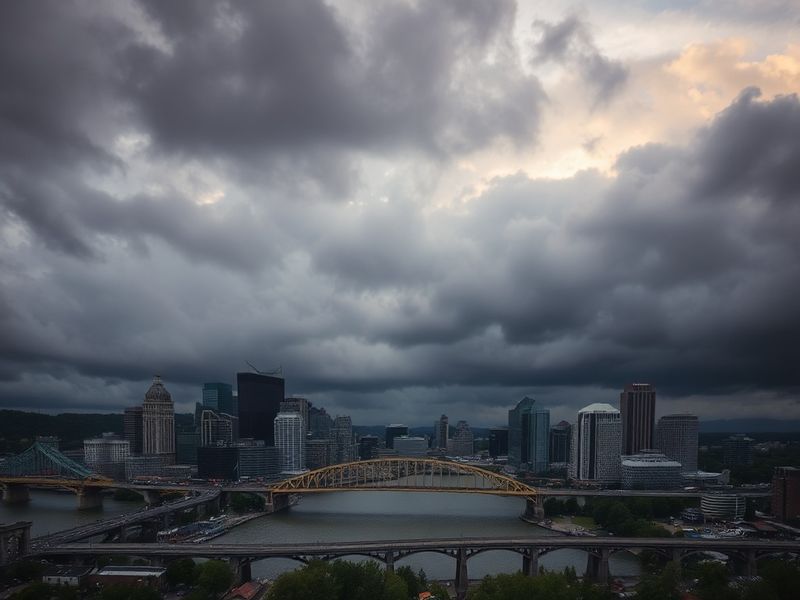
Pittsburgh’s weather isn’t random—it’s heavily influenced by its topography. The city sits at the confluence of three rivers (the Allegheny, Monongahela, and Ohio) and is surrounded by rolling hills and valleys. This terrain creates microclimates where temperature and precipitation can vary significantly over short distances.
For example, areas like Mount Washington may experience colder temperatures and higher winds than downtown, just a few miles away. The Allegheny Mountains to the east act as a barrier, trapping moisture and contributing to the region’s high annual precipitation (over 38 inches). Meanwhile, the Ohio River Valley can funnel cold air southward, leading to sudden temperature drops.
“Pittsburgh’s weather is a reminder that geography isn’t just about maps—it’s about how the land interacts with the atmosphere.” — Dave’s Locker Science Section
This geographic complexity also explains why Pittsburgh can experience “wintry mix” storms even when nearby cities like Cleveland or Columbus see only rain. The combination of elevation changes and river valleys creates ideal conditions for freezing rain and sleet.
Climate Change and Pittsburgh’s Shifting Weather Patterns
Like many Midwestern cities, Pittsburgh is feeling the effects of climate change. Over the past 50 years, average temperatures have risen by about 2°F (1.1°C), with winters warming faster than other seasons. Snowfall totals are becoming more variable—some years bring heavy snow, while others are nearly snow-free.
These changes have broader implications. Heavier rainfall events are increasing the risk of flooding, particularly in low-lying areas like the Strip District and parts of the South Side. Meanwhile, longer growing seasons are altering local agriculture, with some farmers reporting earlier harvests but also increased pest pressures.
What’s Changing—and Why It Matters
- Increased Precipitation: Annual rainfall has risen by about 10% since 1970, with more frequent heavy downpours.
- Warmer Winters: Fewer days below freezing means less ice accumulation but more rain-on-snow events, which can overwhelm drainage systems.
- Heat Waves: Summer nights are getting warmer, posing health risks for vulnerable populations.
- Extreme Weather: The frequency of severe thunderstorms and tornadoes (though rare) appears to be increasing.
For Pittsburgh, adapting to these changes will require infrastructure upgrades, such as improved stormwater management and heat-resilient urban planning. The city’s Environmental Initiatives page explores how local organizations are addressing these challenges.
Pittsburgh Weather: More Than Just Small Talk
Weather in Pittsburgh isn’t just a topic for idle chatter—it’s a defining feature of life in the Steel City. Local businesses adjust their operations based on seasonal trends, from snow removal services in winter to outdoor dining setups in summer. Even the city’s sports culture is weather-dependent; the Pittsburgh Pirates and Steelers often adjust game schedules for extreme conditions.
Beyond practicalities, Pittsburgh’s weather fosters a unique resilience among its residents. Locals take pride in their ability to handle sudden snowstorms or heatwaves, a mindset reflected in everything from the city’s architecture (narrow sidewalks designed for quick shelter) to its culinary traditions (hearty soups and pierogies as winter staples).
For visitors, understanding Pittsburgh’s weather can enhance the experience. A summer trip might include kayaking on the Three Rivers, while a winter visit could involve ice skating at PPG Place or exploring the city’s cozy bar scene. The key is to embrace the unpredictability rather than fight it.