El Niño Explained: Causes, Effects, and Global Impact in 2024
“`html
Understanding El Niño: Causes, Effects, and Global Impact
El Niño represents one of the most significant and recurring climate phenomena on Earth, capable of reshaping weather patterns across the planet. Occurring every two to seven years, this complex interaction between the ocean and atmosphere can trigger dramatic shifts in temperature, precipitation, and storm systems. While scientists have studied El Niño for decades, its mechanisms and far-reaching consequences continue to reveal new layers of complexity.
The term El Niño—Spanish for “the little boy” or “Christ child”—originated among Peruvian fishermen in the 19th century. They noticed unusual warm currents appearing around Christmas, disrupting their anchovy catches. Today, we understand that these warm currents are part of a larger climate cycle known as the El Niño-Southern Oscillation (ENSO), which alternates between warm (El Niño) and cool (La Niña) phases.
The Science Behind El Niño
At its core, El Niño is driven by changes in the Pacific Ocean’s surface temperatures and atmospheric circulation. Normally, trade winds blow from east to west across the tropical Pacific, pushing warm surface water toward Asia and allowing cooler water to upwell near South America. This creates a temperature gradient that fuels the Walker Circulation—a vertical loop of air that influences global weather.
During an El Niño event, these trade winds weaken or even reverse direction. Warm water that typically pools in the western Pacific sloshes eastward, suppressing the usual upwelling of cold, nutrient-rich water off Peru and Ecuador. The result is a significant warming of the central and eastern Pacific, which disrupts the Walker Circulation and alters weather patterns worldwide.
Scientists monitor El Niño using a combination of buoys, satellites, and computer models. The Oceanic Niño Index (ONI) measures sea surface temperature anomalies in a specific region of the Pacific. When temperatures rise 0.5°C above average for three consecutive months, an El Niño is officially declared.
Key Indicators of an El Niño Event
- Sea Surface Temperature Anomalies: Persistent warming in the central and eastern equatorial Pacific.
- Atmospheric Response: Changes in wind patterns, cloud formation, and rainfall distribution.
- Southern Oscillation Index (SOI): A measure of air pressure differences between Tahiti and Darwin, Australia. Negative values indicate El Niño conditions.
- Kelvin Waves: Large-scale oceanic waves that propagate eastward, transporting warm water across the Pacific.
Global Weather Disruptions
The ripple effects of El Niño extend far beyond the Pacific. Its influence can be felt in nearly every corner of the globe, often exacerbating extreme weather events. While no two El Niño events are identical, historical patterns provide insight into its most common impacts.
In North America, El Niño typically brings wetter conditions to the southern United States and Gulf Coast, increasing the risk of flooding. Conversely, the northern U.S. and Canada often experience milder winters with reduced snowfall. These shifts can have significant economic consequences, from agricultural losses to infrastructure damage.
In South America, the effects are particularly pronounced. Peru and Ecuador often face torrential rains and flooding, while parts of Brazil and Colombia suffer from drought. The reduced upwelling of cold water off the coast also disrupts marine ecosystems, leading to declines in fish populations that support local economies.
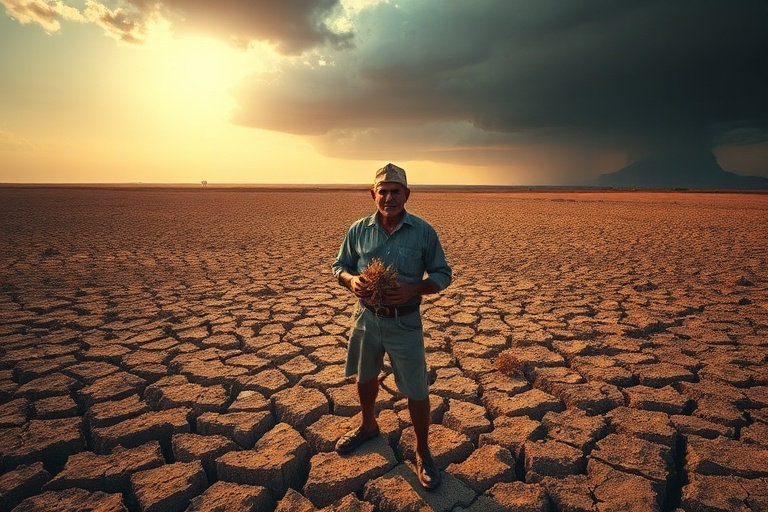
Across the Pacific, countries like Indonesia and Australia frequently endure severe droughts, heightening the risk of wildfires. The 1997-98 El Niño event, one of the strongest on record, contributed to catastrophic fires in Indonesia that blanketed Southeast Asia in choking haze for months.
Regional Impact Breakdown
- North America:
- Increased rainfall and flooding in the southern U.S.
- Milder winters in the northern U.S. and Canada.
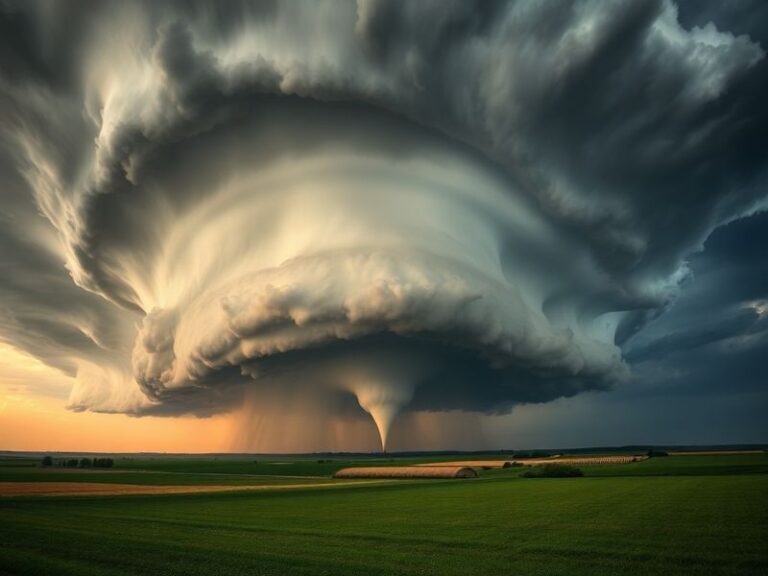
- Enhanced tornado activity in the Midwest.
- South America:
- Heavy rainfall and flooding in Peru and Ecuador.
- Drought and wildfires in Brazil and Colombia.
- Collapse of anchovy fisheries due to warm waters.
- Asia and Australia:
- Severe droughts and wildfires in Indonesia and Australia.
- Disrupted monsoon patterns in India.
- Increased tropical cyclone activity in the Pacific.
- Africa:
- Reduced rainfall in southern Africa, affecting agriculture.
- Enhanced rainfall in East Africa, leading to flooding.
Economic and Environmental Consequences
The economic toll of El Niño can be staggering. The 1997-98 event alone caused an estimated $35 billion in global damages, with losses stemming from crop failures, infrastructure damage, and public health crises. Agriculture is particularly vulnerable, as shifting rainfall patterns disrupt planting and harvesting schedules.
In the U.S., the National Oceanic and Atmospheric Administration (NOAA) estimates that El Niño events cost the economy between $4 and $8 billion annually. These costs arise from increased disaster response spending, reduced agricultural yields, and disruptions to supply chains. For example, the 2015-16 El Niño led to a 20% drop in global cocoa production, driving chocolate prices higher.
Environmentally, El Niño can have both immediate and long-term effects. Coral reefs, already stressed by warming oceans, are particularly susceptible to bleaching during El Niño events. The 2015-16 El Niño caused the third-largest global coral bleaching event on record, with devastating impacts on marine biodiversity.
On land, droughts linked to El Niño can lead to water shortages and crop failures, exacerbating food insecurity in vulnerable regions. The 2011 Horn of Africa drought, which contributed to famine conditions in Somalia, was influenced by La Niña, but El Niño events have also played a role in similar crises.
Preparation and Adaptation
While El Niño cannot be prevented, its impacts can be mitigated through proactive planning and adaptation strategies. Governments, businesses, and communities can take steps to reduce risks and build resilience.
Agricultural sectors can adjust planting schedules, diversify crops, and invest in drought-resistant varieties. Water management agencies can implement conservation measures and update infrastructure to handle extreme rainfall or drought. Public health officials can prepare for increased disease outbreaks, such as malaria or cholera, which often follow flooding or water contamination.
International organizations like the World Meteorological Organization (WMO) and NOAA play a crucial role in monitoring and forecasting El Niño events. Advances in climate modeling have improved the accuracy of predictions, providing governments with more time to prepare. However, challenges remain, particularly in regions with limited resources for adaptation.
For individuals, staying informed through reliable sources and following local advisories can make a difference. During El Niño events, paying attention to weather forecasts and heeding evacuation warnings can save lives and property.
“El Niño is a reminder of how interconnected our planet is. A shift in ocean temperatures thousands of miles away can have cascading effects on ecosystems, economies, and communities worldwide.” — Dr. Michael McPhaden, NOAA Senior Scientist
Looking Ahead: The Future of El Niño
As global temperatures rise due to climate change, scientists are investigating whether El Niño events will become more frequent or intense. Some research suggests that warmer oceans could amplify the effects of El Niño, while others propose that climate change may alter its patterns in unpredictable ways.
A 2020 study published in Nature Climate Change found that extreme El Niño events could double in frequency by the end of the century under high-emission scenarios. This would exacerbate weather extremes, straining global food and water supplies. However, the relationship between climate change and El Niño is still an active area of research, with many uncertainties remaining.
One thing is clear: understanding El Niño is essential for preparing for a changing climate. By investing in research, improving forecasting models, and fostering international cooperation, societies can better navigate the challenges posed by this powerful phenomenon.
For those interested in exploring further, Dave’s Locker Science section offers additional resources on climate science and environmental trends. Understanding these forces helps us appreciate the delicate balance of our planet’s climate systems.
Conclusion
El Niño is more than just a weather event—it is a global phenomenon with far-reaching consequences. From altering rainfall patterns to disrupting economies, its impacts are felt across continents and sectors. While its mechanisms are complex, the importance of monitoring and preparing for El Niño cannot be overstated.
As climate change continues to reshape our world, the lessons learned from studying El Niño will be invaluable. By staying informed and proactive, societies can reduce risks and build resilience in the face of this powerful force of nature.