Tornado Watch in Wisconsin: How to Stay Safe During Severe Weather
“`html
Tornado Watch in Wisconsin: What Residents Need to Know
Severe weather alerts can create immediate urgency for communities across the Midwest, and Wisconsin is no exception. When the National Weather Service issues a tornado watch, it signals that atmospheric conditions are favorable for tornado formation within a defined area. Unlike a tornado warning—which indicates a tornado has been spotted or detected by radar—a watch is a heads-up to stay alert and prepared.
The distinction matters because watches cover larger regions and longer time frames, often spanning several hours. For Wisconsin residents, these alerts are a critical reminder of the state’s vulnerability to fast-moving and unpredictable storms, particularly during the spring and summer months when warm, moist air from the Gulf of Mexico collides with cooler systems from the north.
How a Tornado Watch Is Declared in Wisconsin
Tornado watches are issued by the Storm Prediction Center (SPC), a branch of the National Oceanic and Atmospheric Administration (NOAA). The process begins with meteorologists analyzing atmospheric instability, wind shear, and moisture levels. When these ingredients align, the SPC releases a watch box covering parts of one or more states.
Wisconsin frequently falls within these watch areas, especially in regions like the Driftless Area and the Fox Valley. Local National Weather Service offices in Milwaukee, Green Bay, and Duluth then disseminate the alert through emergency broadcasts, weather apps, and social media. Residents should heed these notices seriously, as conditions can evolve rapidly once storms develop.
It’s worth noting that not all tornado watches lead to touchdowns. Many fizzle out without producing a single tornado. Still, the absence of a tornado doesn’t diminish the threat of severe winds, large hail, or straight-line gusts that can still cause significant damage.
What to Do When a Tornado Watch Is Issued
Preparation separates safety from danger during severe weather. Here’s a concise checklist to follow once a tornado watch is active:
- Stay Informed: Monitor local news, NOAA Weather Radio, or trusted weather apps like the Dave’s Locker Weather Hub for real-time updates. Avoid relying solely on outdoor sirens, which may not be audible indoors.
- Identify Safe Spaces: Know where to shelter immediately—basements, storm cellars, or interior rooms on the lowest floor of a sturdy building. Avoid windows, vehicles, and mobile homes.
- Charge Devices: Ensure phones, power banks, and weather radios are fully charged in case of power outages.
- Prepare an Emergency Kit: Include water, non-perishable food, flashlights, batteries, a first-aid kit, and copies of important documents.
- Communicate Plans: Let family or roommates know where to meet if separated. Designate an out-of-state contact in case local networks are overwhelmed.
One common misconception is that a tornado watch means taking immediate shelter. While vigilance is essential, moving to a safe space should only occur when a warning is issued or when a funnel cloud becomes visible. Instead, the watch is a cue to pause outdoor plans, review safety protocols, and remain ready to act quickly.
Historical Context: Tornadoes in Wisconsin
Wisconsin averages around 23 tornadoes per year, though the number fluctuates significantly. The state’s deadliest outbreak occurred on August 18, 1992, when an F5 tornado—the highest possible rating—devastated parts of Ozaukee, Washington, and Waukesha counties, killing two people and injuring dozens. More recently, the 2022 severe weather season brought multiple tornadoes, including an EF-2 that tore through the town of Seymour in Outagamie County.
These events underscore a broader trend: climate change may be intensifying severe weather patterns. Studies suggest that warmer temperatures can increase atmospheric instability, potentially leading to stronger and more frequent tornadoes in the Upper Midwest. While research is ongoing, the data signals that Wisconsin residents should expect increased variability in storm intensity and timing.
Local emergency management agencies have responded by improving early warning systems and public education campaigns. For example, the Dave’s Locker Emergency Preparedness section offers resources on building emergency kits and creating family response plans.
Beyond the Watch: Understanding the Bigger Picture
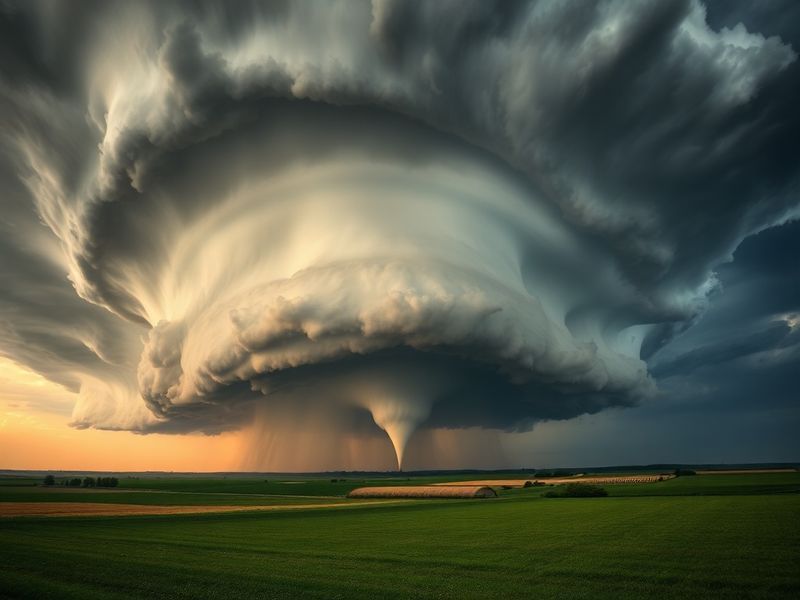
The issuance of a tornado watch reflects larger atmospheric patterns that extend far beyond state lines. When a strong low-pressure system moves across the Plains and into the Great Lakes, it often drags warm, humid air northward. This collision zone becomes a breeding ground for supercell thunderstorms—rotating updrafts that can spawn tornadoes.
Climate scientists are also observing a shift in tornado activity toward the late afternoon and evening hours, as well as an increase in tornado outbreaks in the fall and even winter. These changes challenge traditional preparedness models and require updated public safety strategies.
For Wisconsin, this means adapting to a new normal where severe weather isn’t confined to a specific season. The state’s emergency response teams now conduct more frequent drills, and local schools have revised their severe weather protocols to accommodate earlier or later storm development.
Community resilience depends not only on individual preparedness but also on collective action. Neighborhoods with active storm spotter networks, for instance, often receive more accurate real-time reports, helping emergency services respond faster. Similarly, local governments are investing in improved infrastructure, such as storm shelters in public buildings and enhanced communication systems for rural areas.
Looking Ahead: Preparing for the Next Season
As Wisconsin braces for another severe weather season, residents can take proactive steps to mitigate risks. Installing weather apps with push notifications, reinforcing garage doors to withstand high winds, and participating in local emergency planning groups are all effective measures. Additionally, reviewing insurance policies to ensure adequate coverage for wind and hail damage can prevent financial hardship after a storm.
Ultimately, a tornado watch is a call to awareness—not panic. It’s an opportunity to pause, assess, and prepare without succumbing to fear. By understanding the science behind the alerts and building a culture of readiness, Wisconsin communities can face severe weather with confidence and resilience.