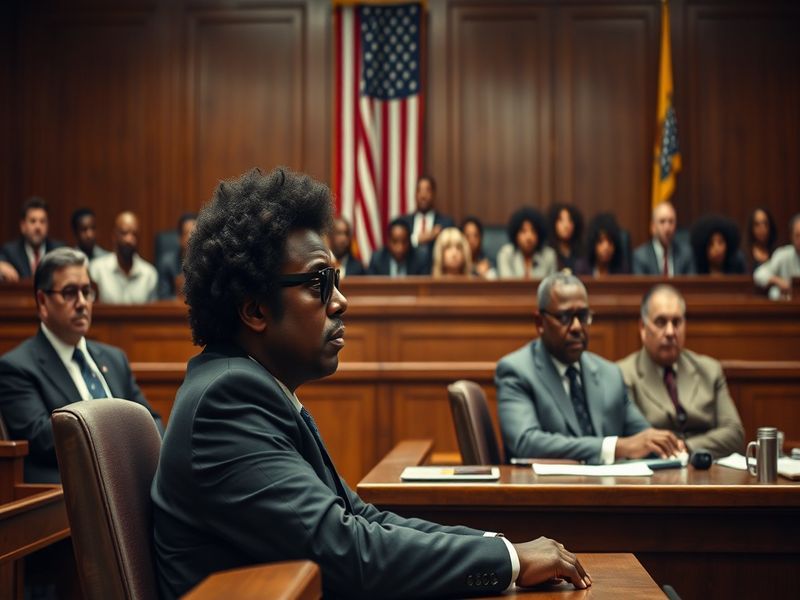
The Afroman Trial: An Overview
The ongoing legal issues surrounding Afroman, the rapper best known for his hit “Because I Got High,” have drawn significant attention from both fans and the media. The trial centers around a series of events that unfolded after Afroman’s home was raided by law enforcement. This incident has raised concerns regarding privacy rights, the appropriate use of police powers, and the impact of celebrity culture on legal proceedings.
Background of the Case
The raid on Afroman’s property occurred in August 2022, sparking a chain reaction of legal battles. Law enforcement officials executed a search warrant, which they claimed was related to an ongoing investigation. However, Afroman publicly criticized the police actions, stating that they were unwarranted and violated his rights.
As a result of the raid, Afroman recorded a series of videos and songs that portrayed the incident in a humorous light. While some fans appreciated the artist’s ability to turn a negative experience into creative expression, others questioned whether this approach trivialized serious legal matters.
Legal Implications
The trial raises significant legal questions regarding the use of search warrants and the rights of individuals under investigation. Here are some key points of consideration:
- Search Warrant Validity: The legality of the search warrant executed at Afroman’s home is under scrutiny. Were the grounds for the warrant sufficient?
- Privacy Rights: The incident has sparked discussions about the extent of privacy rights for public figures. To what degree should celebrities be protected from invasive law enforcement actions?
- Freedom of Expression: Afroman’s artistic response to the incident raises questions about the balance between free speech and legal repercussions. Can an artist’s portrayal of events be used against them in court?
These points highlight the complexities involved in the case, which could set precedents for how similar situations are handled in the future.
Public Reaction and Media Coverage
The media coverage of Afroman’s trial has been extensive, with outlets analyzing both the legal aspects and the implications for celebrity culture. Social media platforms have also played a crucial role in shaping public opinion. Supporters of Afroman have rallied behind him, using hashtags and sharing content that emphasizes his right to express himself. Conversely, detractors argue that his actions may undermine the seriousness of legal proceedings.
Moreover, the trial has prompted debates about the relationship between artists and their audience. Many fans are drawn to Afroman’s authenticity and humor, while others believe that the legal system should not be trivialized for entertainment purposes.
Conclusion: What Lies Ahead
The outcome of the Afroman trial could have far-reaching implications for both the artist and the broader legal landscape. As the case progresses, it will be essential to observe how the court balances individual rights against law enforcement obligations. Additionally, the trial serves as a reminder of the delicate relationship between celebrity, media, and the law.
In the coming months, as the legal proceedings continue, the public will likely remain engaged with this case. The discussions it has sparked about privacy, freedom of expression, and the role of law enforcement in celebrity lives will undoubtedly persist long after the verdict is reached.
For more insights into similar cases and the intersection of culture and law, visit our Music and News sections.