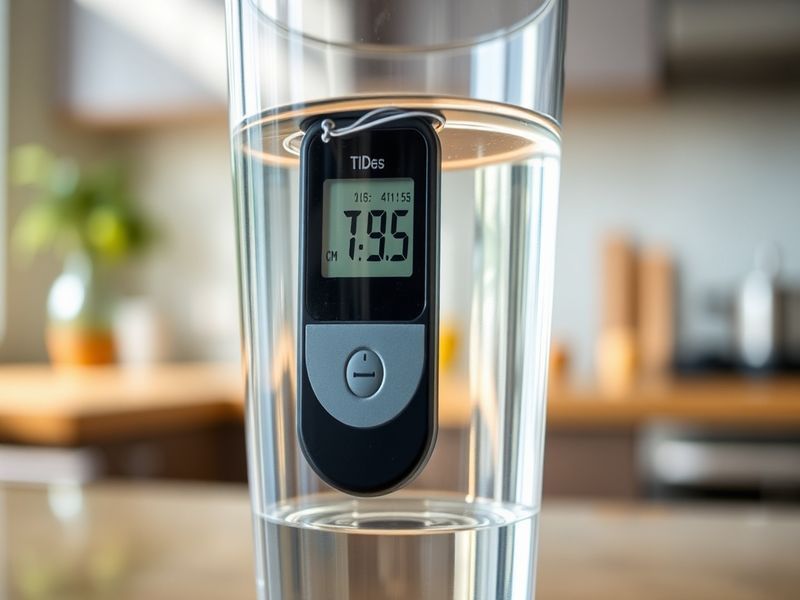
What is TDS? Understanding Total Dissolved Solids in Water
Understanding TDS: A Comprehensive Overview
Total Dissolved Solids (TDS) is a measure of the combined content of all inorganic and organic substances contained in a liquid. This metric is particularly significant in the context of water quality, as it directly impacts health, taste, and the overall usability of water. Understanding TDS is crucial for various sectors, including agriculture, aquaculture, and municipal water supply.
The Components of TDS
TDS encompasses a wide range of substances. These can include salts, minerals, metals, and organic matter. The primary contributors to TDS are:
- Calcium
- Magnesium
- Sodium
- Potassium
- Chloride
- Sulfate
- Bicarbonate
- Organic matter
Each of these components plays a role in determining the chemical balance of water. For instance, high levels of calcium and magnesium are often found in hard water, which can affect plumbing and appliances. Conversely, excessive sodium may indicate contamination, which could pose health risks.
Measuring TDS: Techniques and Importance
TDS is typically measured in parts per million (ppm) or milligrams per liter (mg/L). Several methods exist for determining TDS levels, including:
- Conductivity Method: This is the most common method, where the electrical conductivity of water is measured. Higher conductivity usually correlates with higher TDS levels.
- Gravimetric Method: This involves evaporating water and weighing the remaining solids. While accurate, this method is more time-consuming and less practical for everyday use.
- Volumetric Method: This technique uses titration to identify the concentration of specific ions contributing to TDS.
Understanding how to measure TDS accurately is vital for industries relying on water quality. For example, in agriculture, TDS levels can influence crop yield and soil health. In aquaculture, maintaining optimal TDS levels is critical for the health of aquatic species.
Broader Implications of TDS Levels
The implications of TDS extend beyond mere measurement. High TDS levels can indicate pollution or contamination, which raises concerns regarding public health. For instance, water with a TDS level above 500 ppm may be unpalatable or harmful for human consumption. Industries must monitor TDS to ensure compliance with health standards.
Moreover, TDS can significantly impact environmental systems. Water bodies with elevated TDS levels can affect aquatic life, disrupting ecosystems. This has led to regulatory measures aimed at controlling TDS in various regions. Policy-makers must consider TDS levels when drafting environmental protection regulations, as they play a crucial role in maintaining water quality.
In addition, TDS has implications for technology and filtration systems. Water treatment facilities often implement various filtration methods to reduce TDS levels, ensuring safe drinking water. Understanding TDS helps in selecting appropriate treatment technologies, which can ultimately lead to better resource management.
Conclusion
Total Dissolved Solids is an essential aspect of water quality that encompasses various substances affecting health, agriculture, and the environment. By measuring TDS and understanding its implications, industries can make informed decisions regarding water treatment and management. As water quality continues to be a pressing issue globally, awareness and monitoring of TDS levels will remain paramount.
For more information on water quality management and related topics, visit our Water Quality and Environmental Issues sections.