<!DOCTYPE html>
<html lang="en">
<head>
    <meta charset="UTF-8">
    <meta name="viewport" content="width=device-width, initial-scale=1.0">
    <title>Understanding Flood Watch: Risks, Preparedness, and Response</title>
</head>
<body>
    <article>
        <h1>Understanding Flood Watch: Risks, Preparedness, and Response</h1>

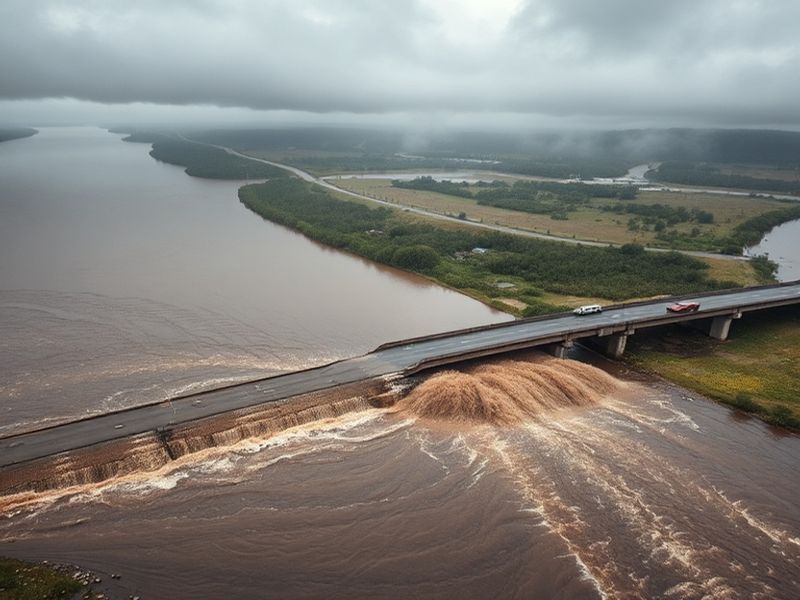
        <p>Flood watches are issued by the National Weather Service when conditions are favorable for flooding within a designated area. These alerts serve as early warnings, urging residents to stay vigilant and prepare for potential threats. While not as urgent as flood warnings, which indicate imminent danger, flood watches should be taken seriously. They often precede severe weather events, including heavy rainfall, rapid snowmelt, or dam failures.</p>

        <p>Flooding remains one of the most common and destructive natural disasters in the United States, affecting millions annually. According to the <a href="https://www.ready.gov/floods">Federal Emergency Management Agency (FEMA)</a>, floods cause billions in damages each year and pose significant risks to life and property. Understanding the nuances of flood watches can help communities mitigate risks and respond effectively when warnings escalate.</p>

        <h2>How Flood Watches Are Issued and What They Mean</h2>

        <p>Flood watches are part of a tiered alert system designed to communicate the severity and timing of potential flooding. The National Weather Service (NWS) issues these watches when meteorological or hydrological conditions suggest flooding is possible within the next 12 to 48 hours. Factors such as saturated soil, rising river levels, or forecasted heavy rainfall can trigger a watch.</p>

        <p>Unlike flood warnings, which indicate flooding is already occurring or imminent, watches serve as a heads-up. Residents should use this time to review emergency plans, gather supplies, and monitor local updates. The NWS provides detailed information on flood watches through its <a href="https://www.weather.gov/">website</a> and local forecast offices, ensuring communities stay informed.</p>

        <p>It’s important to recognize the difference between a flood watch and other alerts. For example:</p>

        <ul>
            <li><strong>Flash Flood Watch:</strong> Issued when rapid flooding is possible due to intense rainfall or dam failures. These events develop quickly, often within minutes or hours.</li>
            <li><strong>River Flood Watch:</strong> Indicates that river levels may rise enough to cause flooding in low-lying areas. These watches often cover larger regions and longer timeframes.</li>
            <li><strong>Coastal Flood Watch:</strong> Used for areas at risk of flooding from storm surges, high tides, or rising ocean levels. These watches are common in hurricane-prone regions.</li>
        </ul>

        <p>Each type of flood watch comes with unique risks, requiring tailored responses. Coastal areas, for instance, must prepare for both flooding and high winds, while inland regions may focus on evacuation routes and flood barriers.</p>

        <h2>The Broader Impact of Flood Watches on Communities</h2>

        <p>Flood watches extend beyond immediate safety concerns, influencing economic activity, infrastructure, and public health. Businesses in flood-prone areas often face disruptions, from temporary closures to supply chain interruptions. The <a href="https://www.nfipstats.com/">National Flood Insurance Program (NFIP)</a> reports that just one inch of floodwater can cause up to $25,000 in damages to a home. These financial burdens disproportionately affect low-income households, which may lack resources for repairs or relocation.</p>

        <p>Public health is another critical consideration. Floodwaters can contaminate water supplies, trigger mold growth, and spread waterborne illnesses. The <a href="https://www.cdc.gov/disasters/floods/index.html">Centers for Disease Control and Prevention (CDC)</a> advises residents to avoid contact with floodwater whenever possible and to boil water before consumption if contamination is suspected.</p>

        <p>Infrastructure also bears the brunt of flooding. Roads, bridges, and utilities are vulnerable to water damage, leading to prolonged outages and costly repairs. In 2021, the American Society of Civil Engineers gave U.S. infrastructure a <strong>C- grade</strong>, citing aging systems and insufficient flood protection as major concerns. Flood watches highlight these vulnerabilities, pushing local governments to invest in resilient infrastructure.</p>

        <h2>Preparing for a Flood Watch: Steps to Stay Safe</h2>

        <p>When a flood watch is issued, time is of the essence. Preparation can mean the difference between minor inconvenience and catastrophic loss. Below are key steps to take when a flood watch is active:</p>

        <ol>
            <li><strong>Stay Informed:</strong> Monitor updates from the National Weather Service, local news, and emergency alert systems. Sign up for community notification systems like <a href="https://www.ready.gov/alerts">FEMA’s Emergency Alert System</a>.</li>
            <li><strong>Gather Supplies:</strong> Stock up on essentials such as water, non-perishable food, flashlights, batteries, and a first-aid kit. Include copies of important documents in a waterproof container.</li>
            <li><strong>Prepare Your Home:</strong> Move valuables to higher floors, secure outdoor items, and consider installing sandbags or flood barriers if you live in a high-risk area.</li>
            <li><strong>Plan an Evacuation Route:</strong> Identify multiple exit strategies from your home and neighborhood. Know where local shelters are located and how to reach them.</li>
            <li><strong>Protect Your Vehicle:</strong> If possible, park in a garage or on higher ground. Avoid driving through flooded roads, as even six inches of water can sweep away a car.</li>
            <li><strong>Check on Vulnerable Neighbors:</strong> Elderly residents, individuals with disabilities, and families with young children may need additional assistance during flood events.</li>
        </ol>

        <p>Preparedness isn’t just an individual effort—it requires community collaboration. Neighborhoods that organize sandbagging efforts or share resources during flood watches often fare better during actual events. Local governments and nonprofits play a crucial role by distributing supplies and disseminating information.</p>

        <p>For those living in flood-prone areas, long-term solutions are essential. The NFIP offers flood insurance policies, though premiums vary based on risk levels. Homeowners should also research local flood mitigation programs, which may provide grants for elevating structures or installing sump pumps.</p>

        <h2>Looking Ahead: The Future of Flood Preparedness</h2>

        <p>The frequency and intensity of flooding are expected to rise due to climate change. Warmer temperatures lead to more extreme rainfall events, while sea-level rise increases coastal flood risks. According to the <a href="https://www.ipcc.ch/">Intergovernmental Panel on Climate Change (IPCC)</a>, these trends will likely persist without significant reductions in greenhouse gas emissions.</p>

        <p>In response, communities are adopting innovative strategies to enhance resilience. Green infrastructure, such as rain gardens and permeable pavements, helps absorb excess water and reduce runoff. Cities like Philadelphia and Chicago have implemented such projects to mitigate flooding in urban areas.</p>

        <p>Technology also plays a growing role in flood preparedness. Real-time monitoring systems, such as those used by the <a href="https://water.weather.gov/ahps/">Advanced Hydrologic Prediction Service (AHPS)</a>, provide detailed forecasts and flood inundation maps. These tools allow emergency responders to deploy resources more effectively and give residents precise information about potential risks.</p>

        <p>Ultimately, flood watches serve as a critical reminder of the need for proactive planning. While they cannot prevent flooding, they empower communities to act before disaster strikes. By combining individual preparedness with systemic resilience efforts, society can reduce the toll of future flood events.</p>

        <p>As climate patterns shift, the importance of flood watches will only grow. Whether through policy changes, technological advancements, or grassroots initiatives, the goal remains the same: to protect lives, property, and the environment from the devastating impacts of flooding.</p>
    </article>