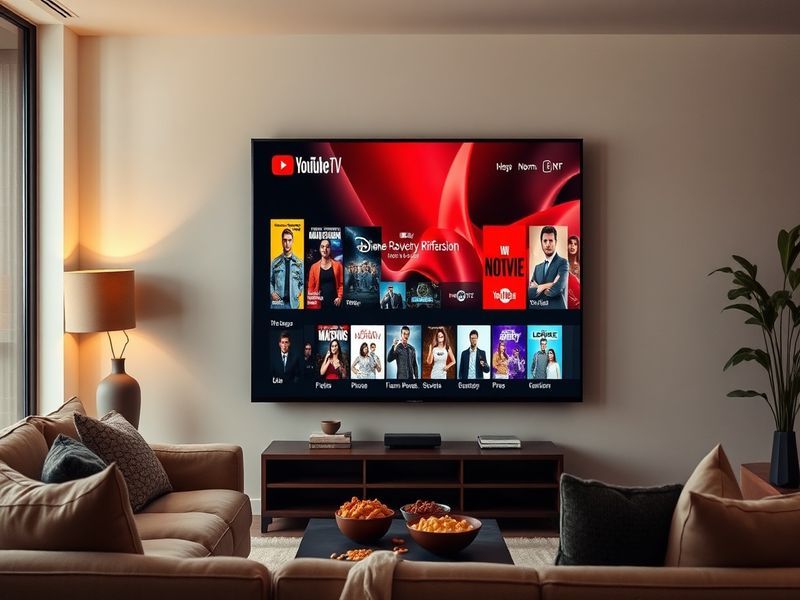
YouTube TV: The Streaming Service Changing How We Watch Live TV
YouTube TV: How the Streaming Service Is Reshaping Global Media Consumption
YouTube TV has quietly evolved from a niche live TV service into one of the most influential platforms in global streaming. Launched in 2017, the platform now serves millions across the United States, Canada, and parts of Europe, offering a blend of live television, sports, and on-demand content without the traditional cable bill. Its growth reflects broader shifts in how audiences consume media—especially among younger, tech-savvy viewers who prioritize flexibility over rigid programming schedules.
What began as a modest competitor to Sling TV and Hulu Live has matured into a robust alternative to traditional pay-TV, thanks in part to YouTube’s vast ecosystem. The service’s integration with Google’s advertising and recommendation algorithms gives it a unique edge in personalization. Unlike cable, where channels are bundled and often unwatched, YouTube TV allows users to curate their own lineups from major networks like CBS, NBC, and Fox, as well as popular cable channels such as ESPN and TNT. This approach has made it particularly appealing to sports fans, news junkies, and families looking to cut the cord without sacrificing live programming.
Yet its impact extends beyond convenience. YouTube TV has also become a cultural bridge, connecting diaspora communities with homeland news and entertainment. For example, Latino audiences in the U.S. can access Spanish-language channels like Univision and Telemundo, while South Asian viewers can tune into Geo TV and Sony Entertainment Television. This cultural reach underscores how streaming services are redefining media access in an increasingly globalized world.
The Technology Behind the Stream: How YouTube TV Works
At its core, YouTube TV is a cloud-based DVR service with a simple interface. Subscribers pay a flat monthly fee—currently $73 in the U.S.—and receive access to over 100 live channels. Unlike traditional cable, there are no contracts, equipment rentals, or hidden fees. The service is delivered entirely through an app, available on smart TVs, smartphones, tablets, and streaming devices like Roku and Amazon Fire Stick.
One of its standout features is unlimited cloud DVR storage, a rarity in the streaming world. Users can record as many shows and games as they want and store them for up to nine months. This has made it a favorite among sports fans who want to catch up on missed games or binge-watch entire seasons of shows. The platform also supports multiple user profiles, ensuring personalized recommendations based on viewing history.
Technologically, YouTube TV leverages Google’s infrastructure to deliver reliable streams with minimal buffering. Its adaptive bitrate technology adjusts video quality in real time based on internet speeds, a critical advantage in regions with inconsistent connectivity. However, the service is not without limitations. Like most live TV streaming platforms, it struggles with regional blackouts for sports events, frustrating fans who want to watch local games while traveling.
A Global Perspective: Where YouTube TV Stands Outside the U.S.
While YouTube TV’s primary market remains the United States, its expansion into international markets has been gradual but strategic. In Canada, the service launched in 2021 with a similar lineup of U.S. and Canadian channels, catering to expatriates and dual-market audiences. Its presence in Europe, however, is more limited, with availability restricted to a handful of countries like the UK, France, and Germany through partnerships with local broadcasters.
This uneven global footprint highlights the challenges of adapting a U.S.-centric service to diverse media landscapes. In many countries, local streaming platforms dominate due to regulatory hurdles, language barriers, and established viewer habits. For instance, in India, Hotstar (now Disney+ Hotstar) and JioTV have captured the market with deep discounts and localized content. Similarly, in Latin America, Claro TV and DirecTV Go lead the charge with region-specific sports and telenovelas.
Despite these obstacles, YouTube TV’s potential in international markets is undeniable. Its ability to offer a mix of U.S. and local channels could appeal to expatriates, digital nomads, and travelers who want familiar content abroad. However, competition from established players and the need for localized content make global expansion a slow burn. For now, YouTube TV remains a powerhouse in North America, with global aspirations that will depend on partnerships and localization efforts.
The Future of Live TV: What’s Next for YouTube TV?
The streaming wars show no signs of slowing down, and YouTube TV is positioning itself as a key player in the future of live television. One major trend it’s embracing is the integration of sports streaming rights. In 2023, YouTube TV secured deals with major leagues, including the NFL Sunday Ticket, a move that could attract die-hard sports fans away from cable. This shift aligns with the growing demand for flexible, à la carte sports viewing.
Another area of growth is international content. As YouTube TV expands its global reach, it will likely invest in securing rights to popular international shows and sports events. This could include partnerships with European soccer leagues, Asian dramas, or African entertainment networks. By diversifying its content library, the platform can appeal to a broader audience while maintaining its core live TV appeal.
However, challenges remain. The rising cost of content licensing could force YouTube TV to raise prices, potentially alienating budget-conscious users. Additionally, the proliferation of ad-supported streaming services (like Pluto TV and Tubi) may pressure YouTube TV to offer more free, ad-supported tiers. Balancing profitability with affordability will be critical as the platform evolves.
For now, YouTube TV occupies a unique space in the streaming ecosystem—a hybrid of live TV and digital convenience. Its success hinges on its ability to adapt to changing viewer habits while maintaining the reliability and breadth of traditional cable. As more consumers cut the cord, services like YouTube TV will play an increasingly vital role in how we consume media.
Should You Cut the Cord with YouTube TV?
Deciding whether to switch to YouTube TV depends on your viewing habits, budget, and tolerance for streaming limitations. Here’s a quick breakdown of its pros and cons:
- Pros:
- No contracts or hidden fees
- Unlimited cloud DVR storage
- Access to major networks and sports channels
- Cross-platform compatibility (works on TVs, phones, tablets)
- Personalized recommendations and profiles
- Cons:
- Higher monthly cost compared to some competitors
- Regional sports blackouts can be frustrating
- Limited international availability
- No standalone option for local channels in some markets
For sports enthusiasts, families with diverse viewing preferences, or cord-cutters who still want live TV, YouTube TV is a compelling option. However, if you’re primarily interested in on-demand content or live in a region with poor internet infrastructure, you might find better alternatives. Ultimately, the service’s value lies in its balance of choice, convenience, and reliability—a formula that continues to resonate with modern audiences.
As streaming continues to dominate the media landscape, YouTube TV’s role will only grow more significant. Whether it becomes the go-to replacement for cable or remains a niche player in the global market remains to be seen. One thing is clear: the future of television is flexible, personalized, and increasingly digital—and YouTube TV is at the forefront of that transformation.