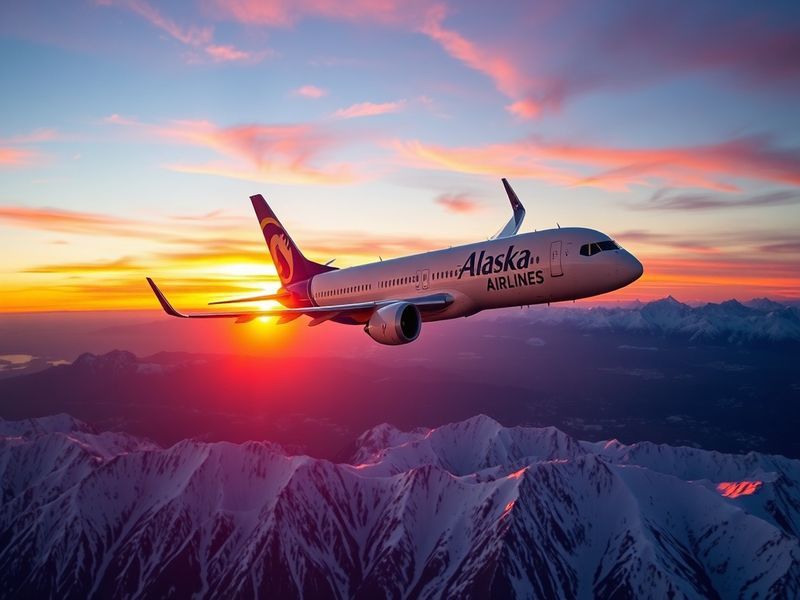
Exploring Alaska Air: History, Services, and Future Plans
Exploring Alaska Air: A Comprehensive Overview
Alaska Air, known for its scenic routes and commitment to customer service, has established itself as a prominent player in the airline industry. Founded in 1932, the airline has grown from a small regional carrier to a major airline operating across the United States and into Canada, Mexico, and Costa Rica. This article delves into various aspects of Alaska Air, including its history, services, and impact on the travel industry.
History and Growth of Alaska Air
Alaska Air began its journey as McGee Airways, operating a single route in Alaska. Over the decades, the airline expanded its fleet and service offerings, adapting to the changing needs of travelers. The 1980s marked a significant turning point for Alaska Air, as it began to acquire other airlines, enhancing its reach and operational capabilities.
Today, Alaska Air operates a diverse fleet that includes Boeing and Airbus aircraft. The airline has strategically positioned itself to serve both leisure and business travelers, offering flights to popular destinations on the West Coast and beyond.
Services and Customer Experience
Alaska Air prides itself on providing a superior customer experience. From booking to boarding, the airline offers various services designed to enhance travel comfort. Passengers can enjoy:
- In-flight entertainment: Alaska Air provides complimentary streaming services, allowing passengers to watch movies and shows on their devices.
- Dining options: The airline offers a selection of snacks and meals, catering to different dietary preferences.
- Loyalty programs: Alaska Airlines Mileage Plan rewards frequent flyers with miles that can be redeemed for flights and upgrades.
Furthermore, Alaska Air has focused on sustainability, implementing eco-friendly practices such as reducing waste and investing in fuel-efficient aircraft. This commitment not only benefits the environment but also appeals to environmentally conscious travelers.
Challenges and Competition
Despite its successes, Alaska Air faces several challenges in the highly competitive airline industry. The rise of low-cost carriers has forced traditional airlines to reevaluate their pricing strategies. Alaska Air has responded by introducing competitive fares while maintaining its service standards.
Moreover, the COVID-19 pandemic significantly impacted the airline industry. Alaska Air, like many others, had to adapt to reduced travel demand and implement health protocols to ensure passenger safety. The airline’s swift response helped it navigate the turbulent waters of the pandemic, as it focused on maintaining customer trust and safety.
The Future of Alaska Air
Looking ahead, Alaska Air aims to expand its network and enhance its offerings. The airline has plans to introduce new routes and increase its fleet size, catering to the growing demand for air travel. With a focus on technology, Alaska Air is also investing in digital innovations to streamline the booking process and improve customer interactions.
Additionally, Alaska Air is committed to sustainability goals, aiming to achieve net-zero carbon emissions by 2040. This ambitious target reflects a broader trend within the aviation industry, where airlines are increasingly prioritizing environmental responsibility.
In conclusion, Alaska Air has carved a niche for itself in the competitive airline market through its commitment to customer service, sustainability, and adaptability. As the airline continues to grow and evolve, it remains dedicated to providing exceptional travel experiences while navigating the challenges ahead.
For more insights into travel trends and airline news, check out our Travel and News sections on Dave’s Locker.